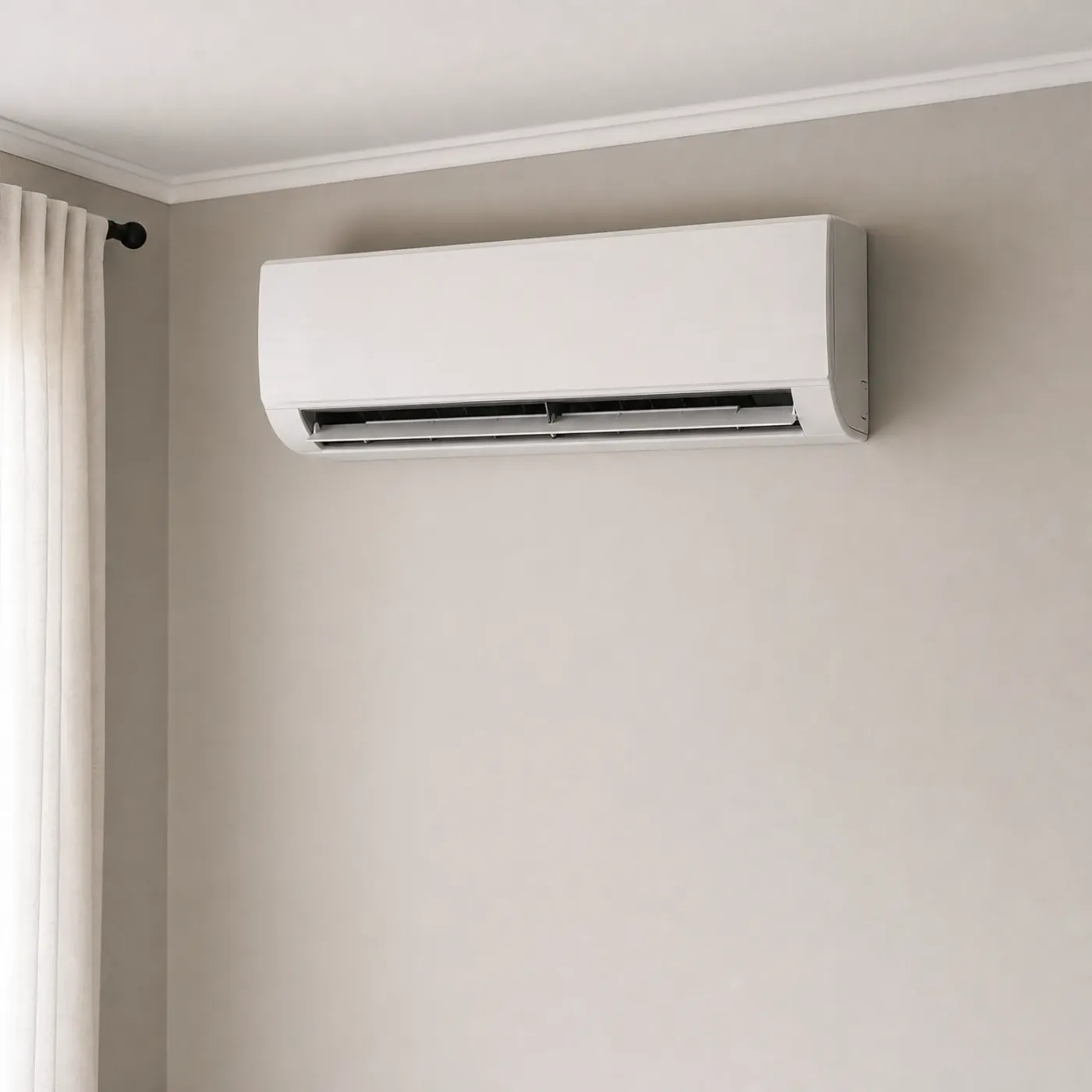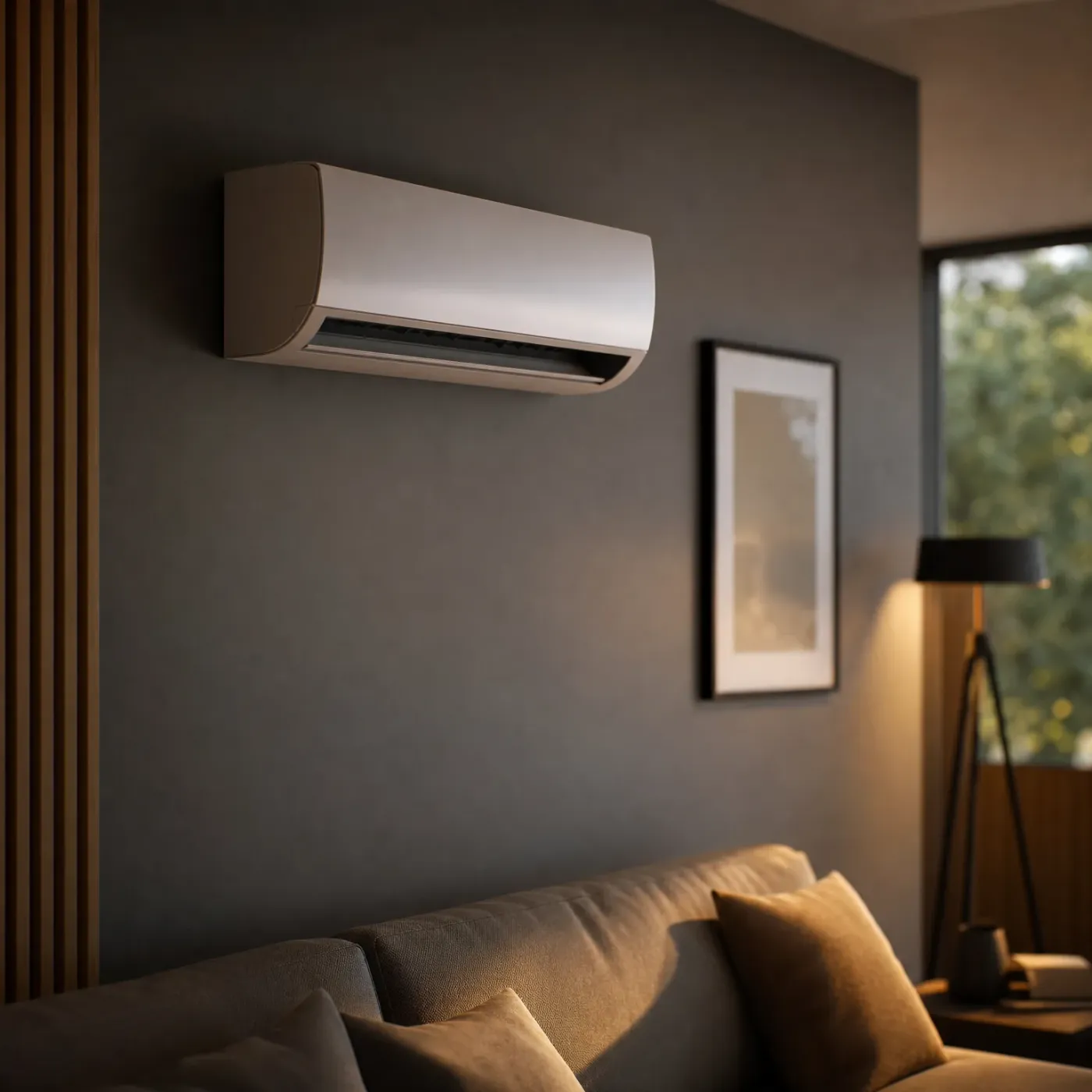
A white wall-mounted mini-split indoor unit on a gray interior wall above a beige sofa, with a framed picture, a floor lamp, wood slat wall trim, and a window showing green foliage.

A pro who works on mini splits

Adding a mini split to an Oklahoma home with a furnace

A mini split in a house that already heats with gas usually means you want one or two rooms handled on their own, without running ductwork or leaning on the furnace. The question is how that unit ties into what you already have, and where it actually earns its keep in a house built for gas heat and window-unit summers. This page gets into the setup. A local contractor who installs these in Oklahoma homes every year can look at your place and work out the rest.

Match me with a pro

A mini split works alongside your gas furnace, not against it. The furnace keeps heating the rest of the house the way it always has, and the mini split runs its own wall unit in whatever room or addition needs it, on its own thermostat, with its own line set running outside to a condenser. Nobody rewires the furnace or touches your ductwork to make this work, since the mini split doesn't connect to either one. Most people add one because a bonus room, a garage conversion, or a sunroom never got ducted, or because it runs too hot in the Oklahoma summer no matter what the furnace and central air are doing elsewhere in the house. The install is really about where that indoor head goes and where the condenser sits outside, and how the electrical and the line set get from one to the other.

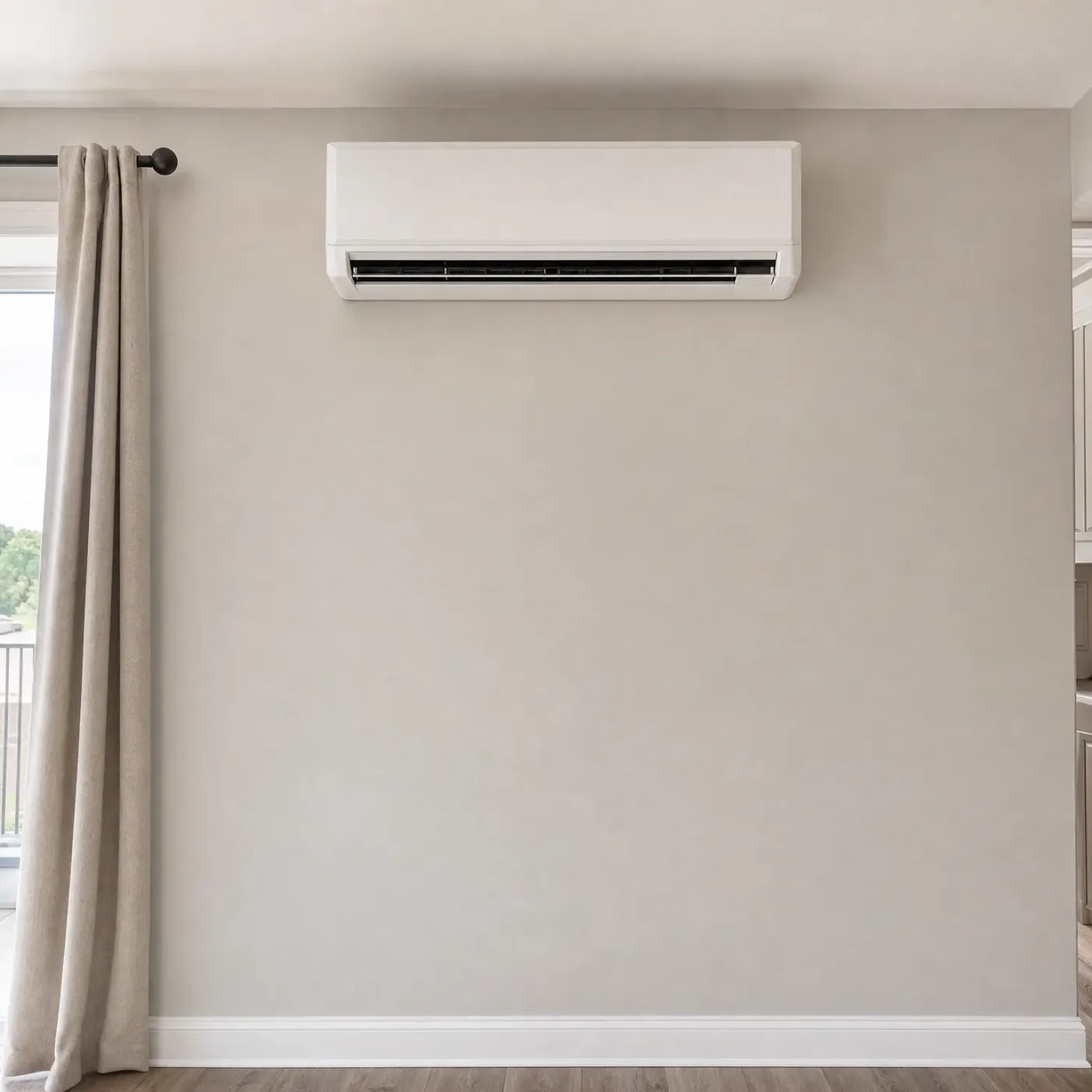
A white wall-mounted mini-split air conditioner unit high on a light gray interior wall, with a beige curtain and window at the left and wood-look flooring below.

Sized and set up right

That wall unit should keep the room steady on its own, no hot corners, no short cycling. Set the thermostat and it holds. With summers here as sticky as they get, a mini split sized for the room and installed on a clean line set does this without strain.
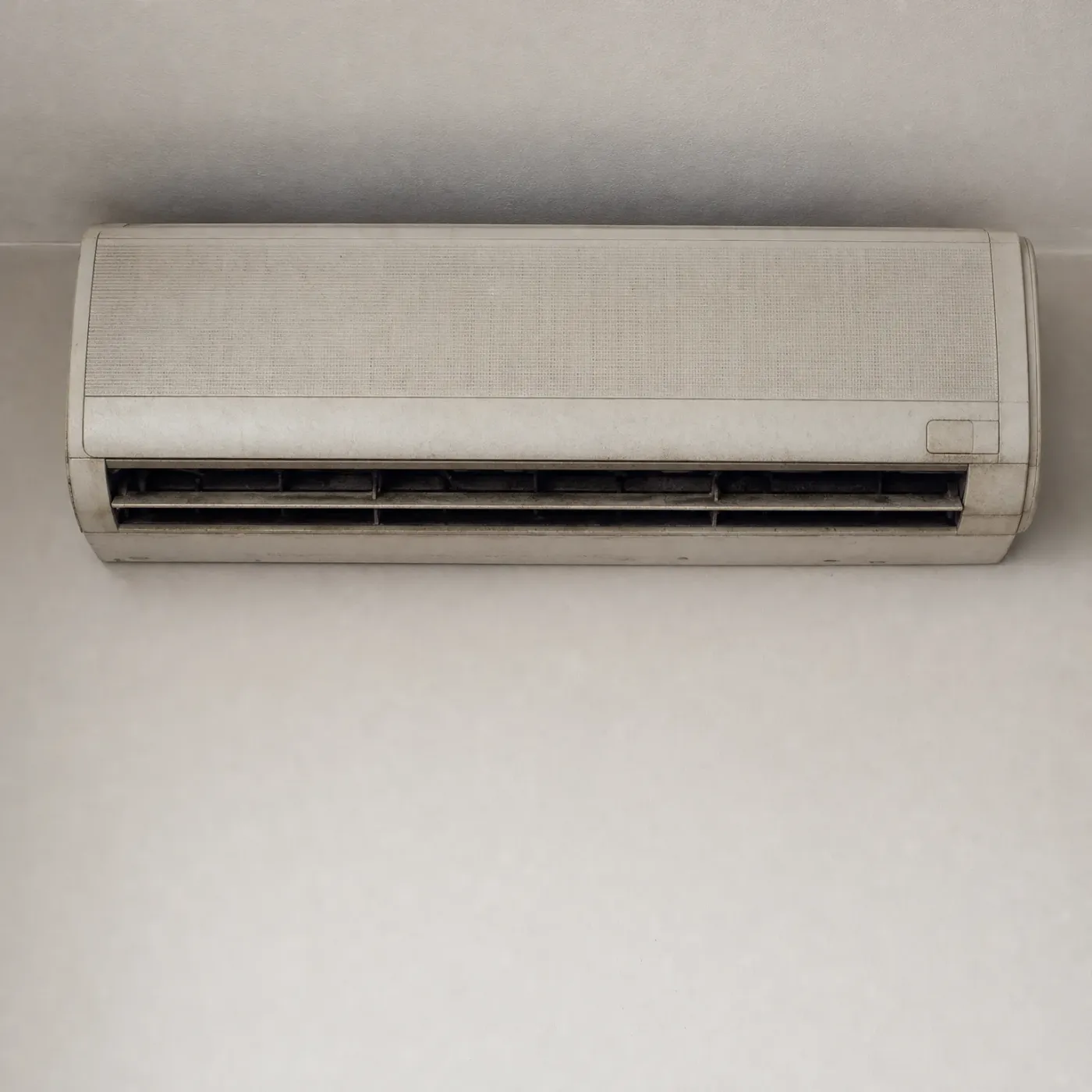
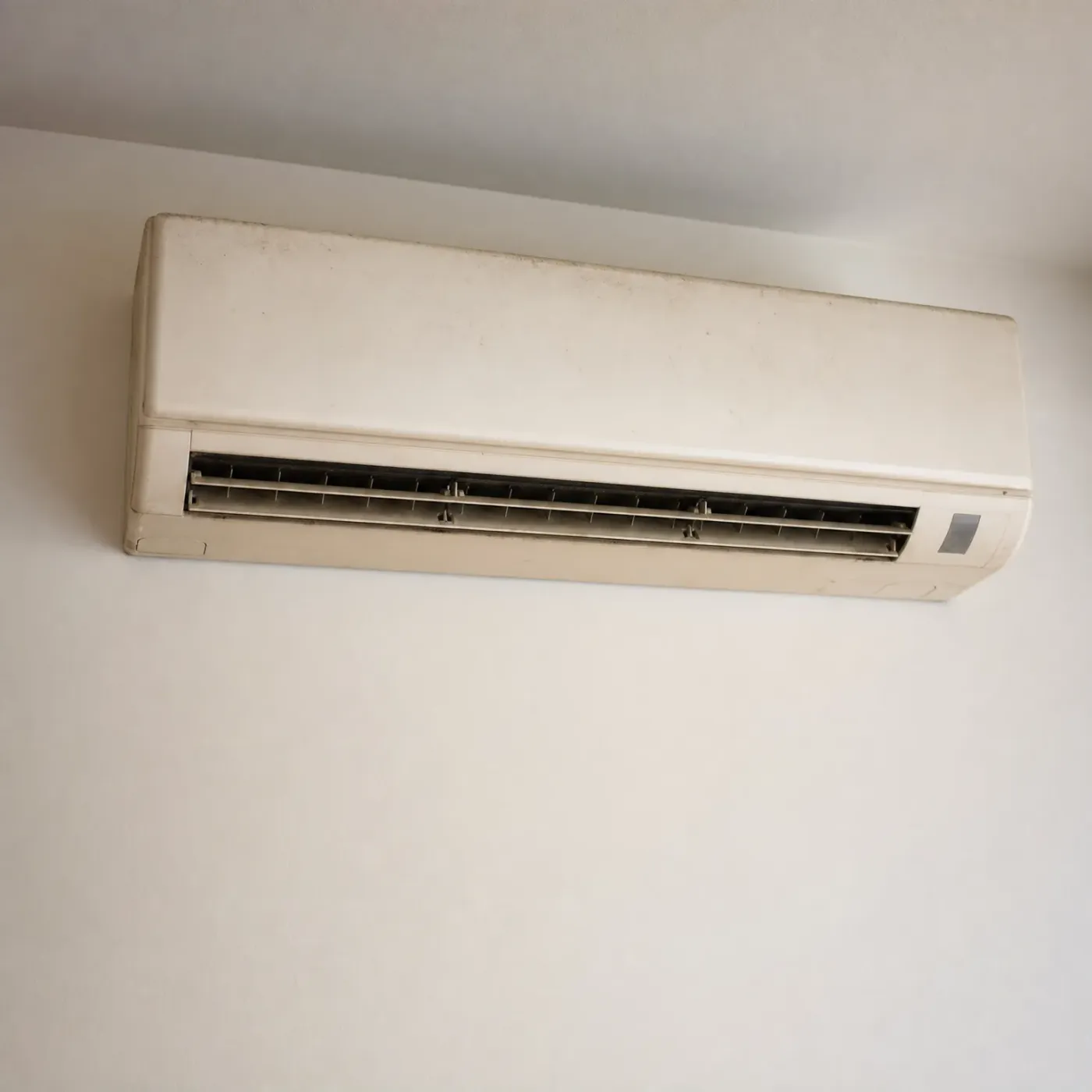
A dusty white wall-mounted mini-split air conditioner indoor unit with open louvers, installed near the ceiling on a plain light-colored wall.

The filter tells on it

Dust and grime building up at the vents means the filter isn't catching what it should, or the unit's been run past what it's built for. That buildup cuts airflow and makes the unit work harder for less cooling, and it won't clear up on its own.

How does the mini split actually connect to my furnace system?

You've got a gas furnace already, and you're trying to picture how a mini split actually ties in. Does it share ductwork? Does it run off the same thermostat? Does an installer have to cut into your existing system to make it work? You want to know what the connection really looks like before someone shows up at your house.

It doesn't connect to your furnace at all

A mini split runs on its own refrigerant line set, a pair of small copper lines that go from the outdoor unit through a hole in the wall to the indoor head. No ductwork, no shared air, no wiring back to the furnace. The furnace keeps doing what it does for the rest of the house, and the mini split handles its one room from its own thermostat, usually a remote or a control on the indoor unit itself. The only real connection between the two systems is that they're heating the same house. An installer sizes the mini split for the room it's covering, not for what the furnace is already doing, and runs power to the outdoor unit on its own circuit.

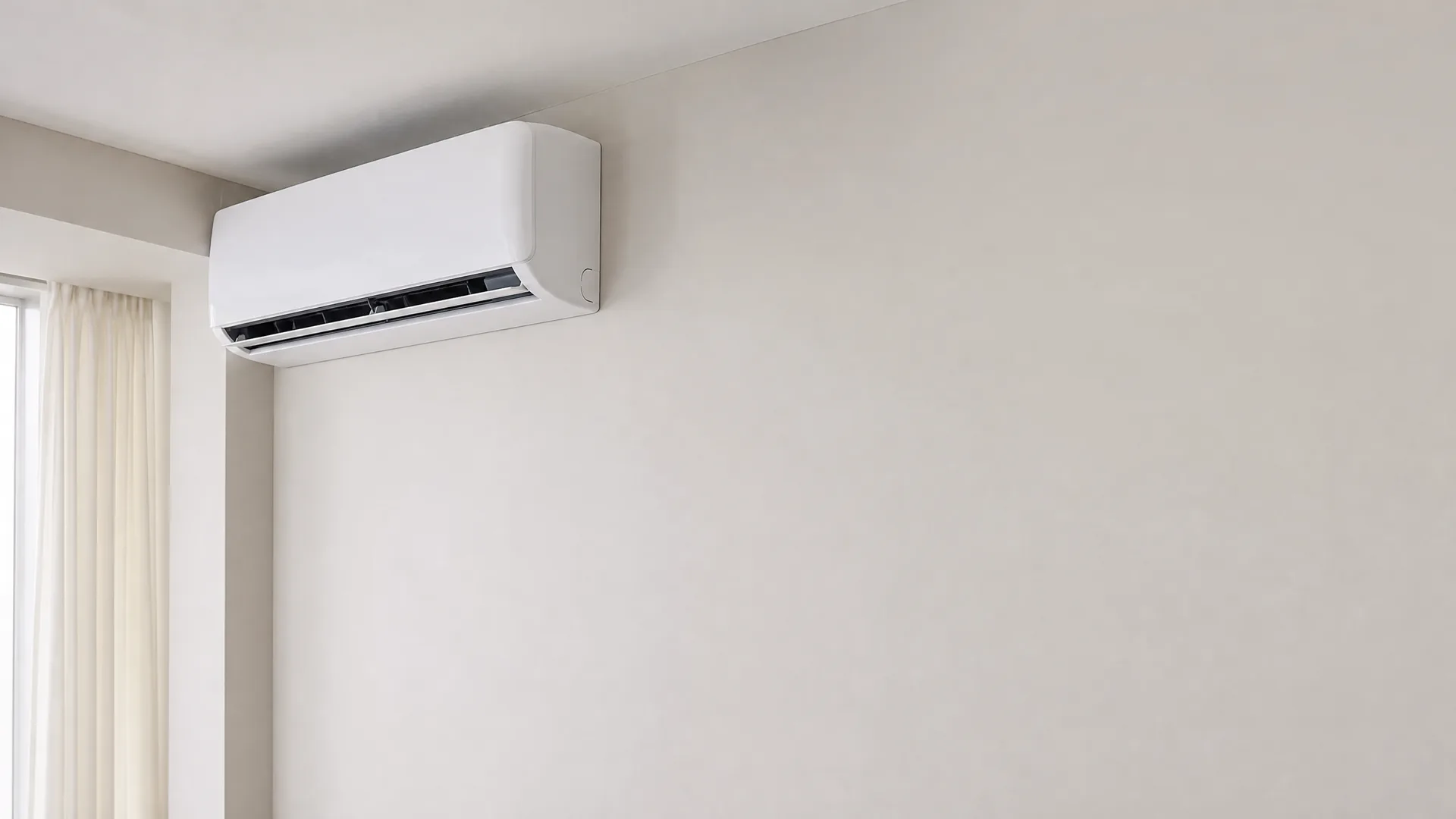
A white wall-mounted mini-split air conditioner near the ceiling of a room with plain beige walls and a pale curtain at the left edge.

No ductwork to open up

A mini split runs on its own refrigerant line set, not your furnace's ducts. The installer runs a small line between the outdoor compressor and the indoor wall unit through a hole a few inches across, usually behind where the unit hangs. Nothing about your existing supply or return lines changes. That matters most in additions or converted rooms where the furnace's ductwork never reached in the first place, since there is nothing to tie into and nothing to patch.

A white wall-mounted mini-split air conditioner indoor unit installed near the ceiling on a plain off-white interior wall.

Two thermostats, two jobs

Your furnace thermostat still controls the rest of the house the same way it did before. The mini split comes with its own remote or wall control, reading only the room it sits in. That room can sit at a different temperature than the hallway outside it without the furnace cycling to chase it. Each system heats or cools only what it can sense, so neither one is working to cover for a room it was never set up to serve.

Why is that one room never comfortable?

You probably already know which room it is. A bonus room over the garage, a sunroom, a converted attic, somewhere the furnace vents reach but barely keep up with. In summer it runs warm and stays sticky even with the rest of the house cool. In winter it's the opposite, cold enough that you close the door and stop using it. You might notice the furnace running longer trying to even things out, or a window unit propped in there that you drag out every May and fight with every September. None of that is the furnace failing. It's one room asking for more than a shared duct run was ever going to give it.

A gray-haired bearded man in a dark coat and scarf dusted with snow stands smiling in a dimly lit entryway with a white front door, a side table with a lit lamp, an oval mirror, and a patterned rug.
An older bearded man in a dark snow-dusted coat and gray scarf stands just inside a dimly lit home entry, with a framed picture, lit table lamp, and an adjoining room with a fireplace behind him, and snow visible through the open door.
A gray-haired, bearded man in a dark snow-dusted coat stands smiling in a dimly lit entry hall with a staircase, a lit table lamp, a framed picture, and a living room visible through a doorway.
An older man with gray hair and a beard, wearing a dark jacket dusted with snow, stands smiling in a dimly lit hallway with lamps and a living room visible behind him.
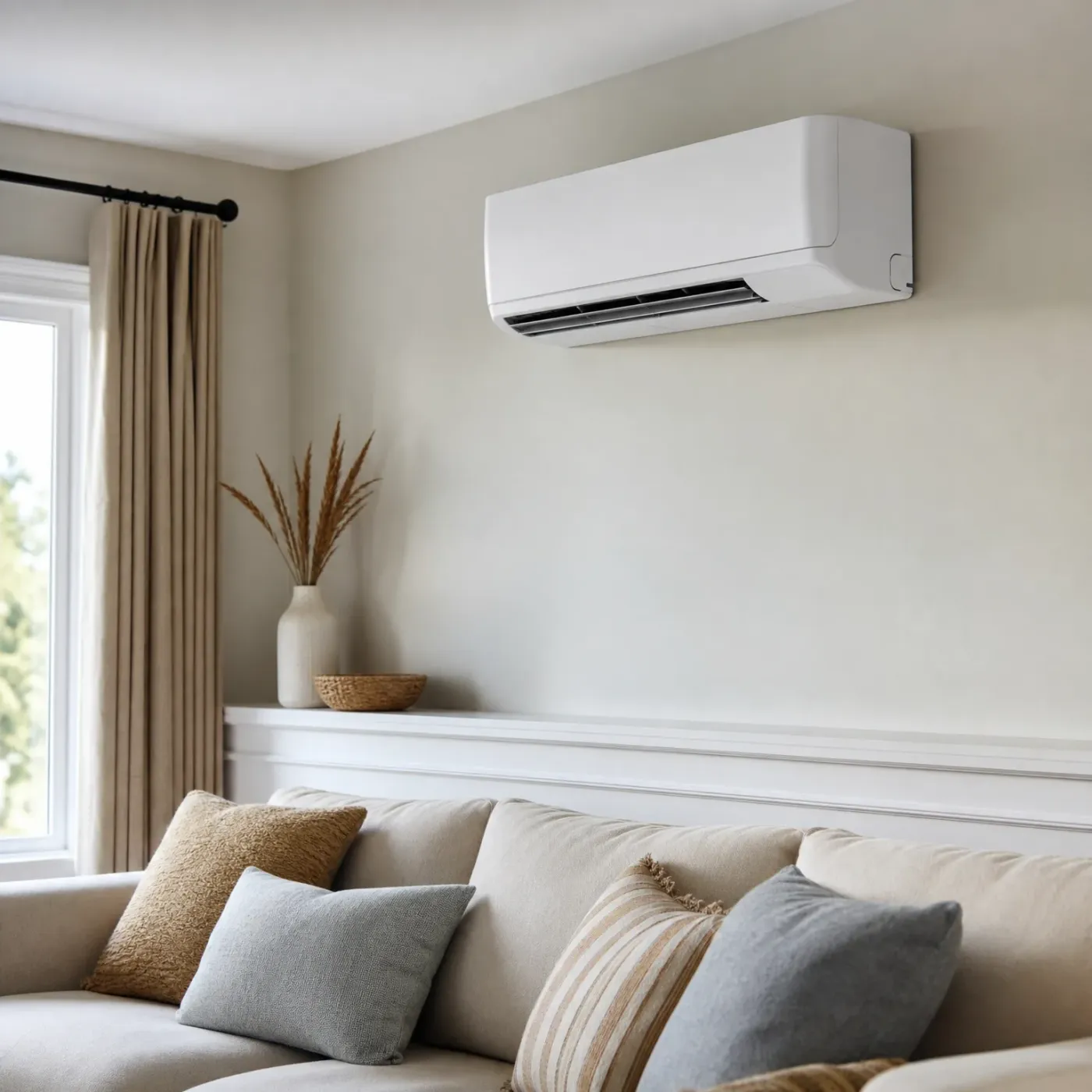
A white wall-mounted mini-split air conditioner on a pale wall above a beige sofa with assorted cushions, beside a window with long curtains and a shelf holding a vase of dried grasses and a woven bowl.

Get your mini split to the right pro

Your request goes to one pro, not a list of companies.

A local pro who knows mini splits gets your details and gets in touch.

Find my pro

You're not committing to anything by asking.

A woman in a cream cardigan and jeans stands with one hand raised facing an open front door of a gray horizontal-siding house, with a black lantern wall light, a potted shrub with yellow flowers, and a stone-faced porch column.

What this does for the room you've been fighting with

Think about that room right now. The furnace vent is there, but by July the air coming out of it does nothing against the heat building up through the roof or the windows. You've probably already tried a box fan, a portable unit dragged in from the garage, maybe just keeping the door shut and writing the room off in August. A mini split sized for that space changes what you'd notice first: the room actually holds a set temperature instead of drifting up all afternoon, and you stop running a space heater or window unit that's costing you more than it should on a power bill that's otherwise reasonable.

Getting the sizing and the line set placement right for your house is the part that's easy to get wrong without someone who's installed these in homes with the same gas furnace setup you have. That's the piece worth handing to a local contractor who does this work regularly in Oklahoma, someone who can look at the room, the wall it backs up to, and where the furnace ductwork already runs, and tell you exactly what size unit and what line path makes sense for your house specifically, not a generic recommendation.

A living room corner with a light beige sofa holding a textured taupe cushion, a large ceramic vase of olive branches by a window, a framed neutral artwork on the wall, and a dark bowl with stacked books in the foreground.
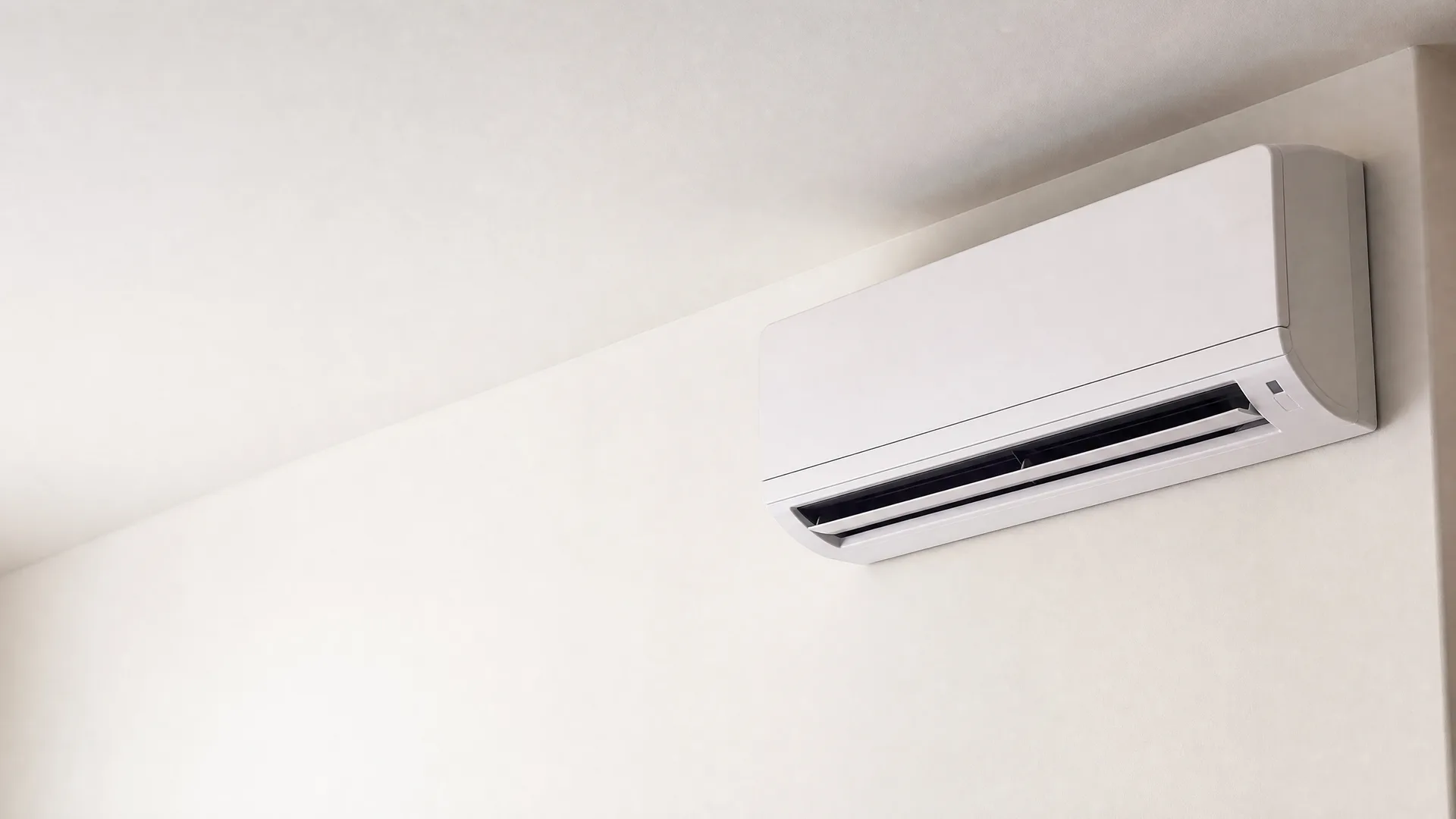
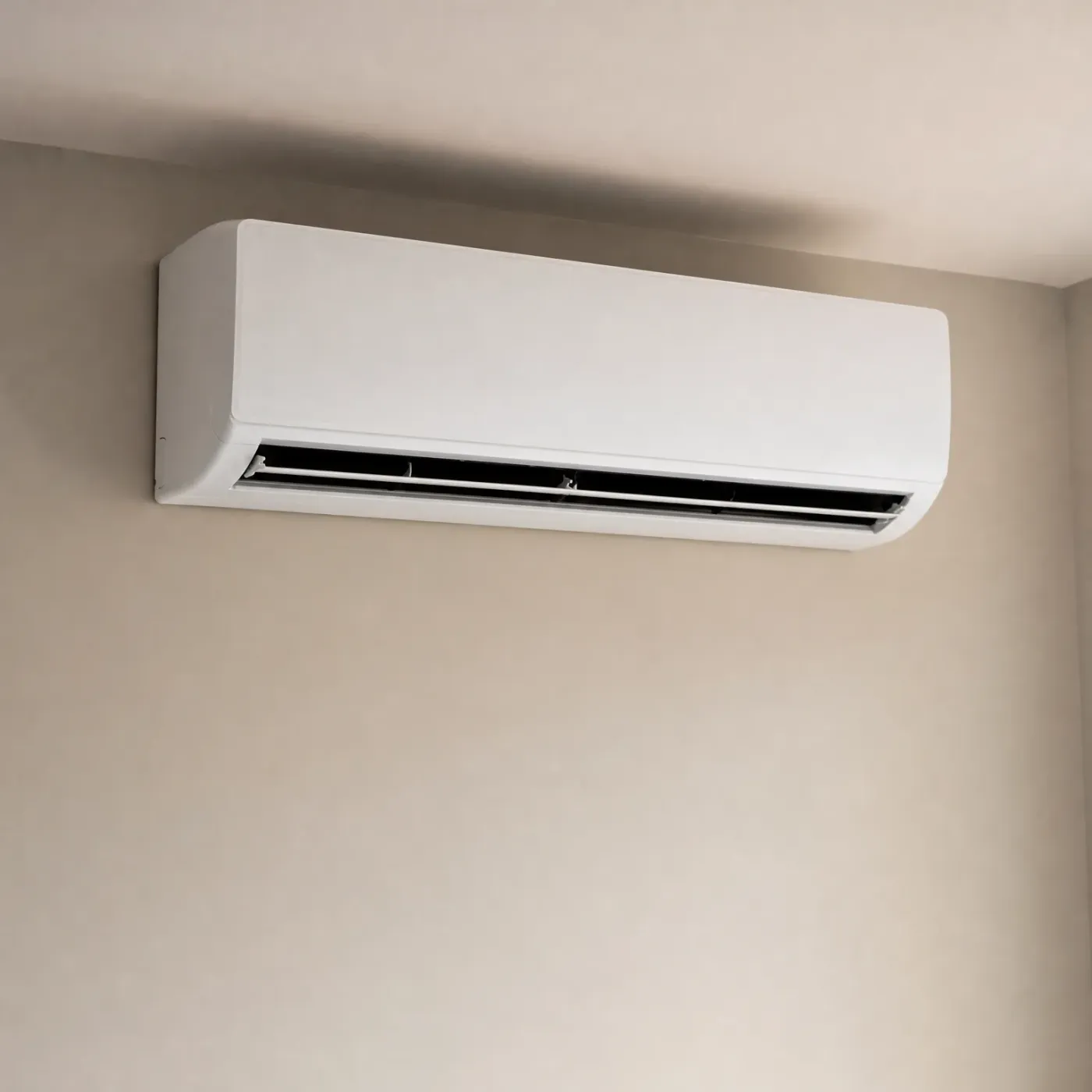
A white wall-mounted mini-split air conditioner installed near the ceiling on a plain beige interior wall.

Running right

A mini split that's sized and installed well sits flush against the wall, panel closed, blowing cold air out that bottom grille without fuss. You set the thermostat and the room holds. No rattling, no ice on the lines, no smell when it kicks on. It just runs.

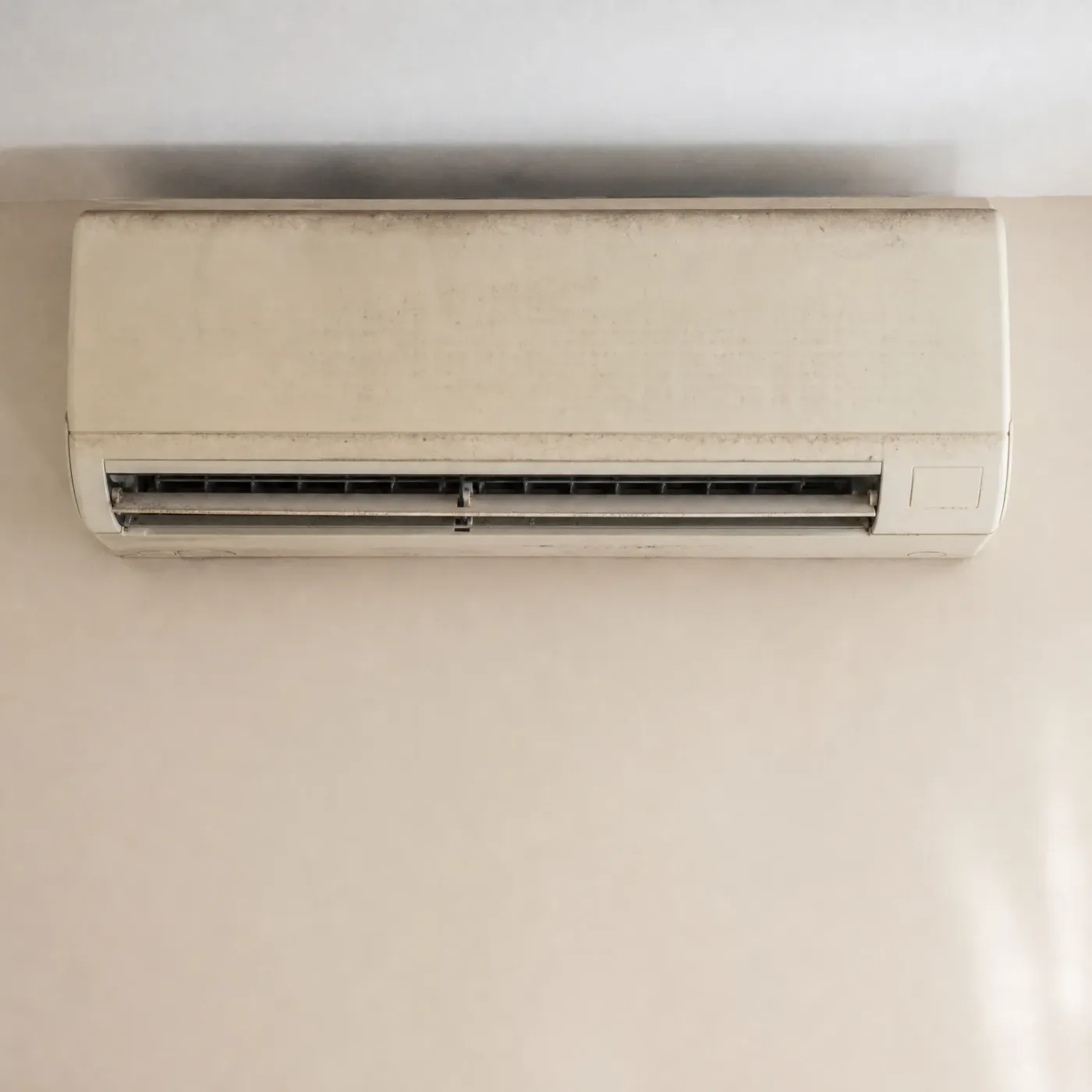
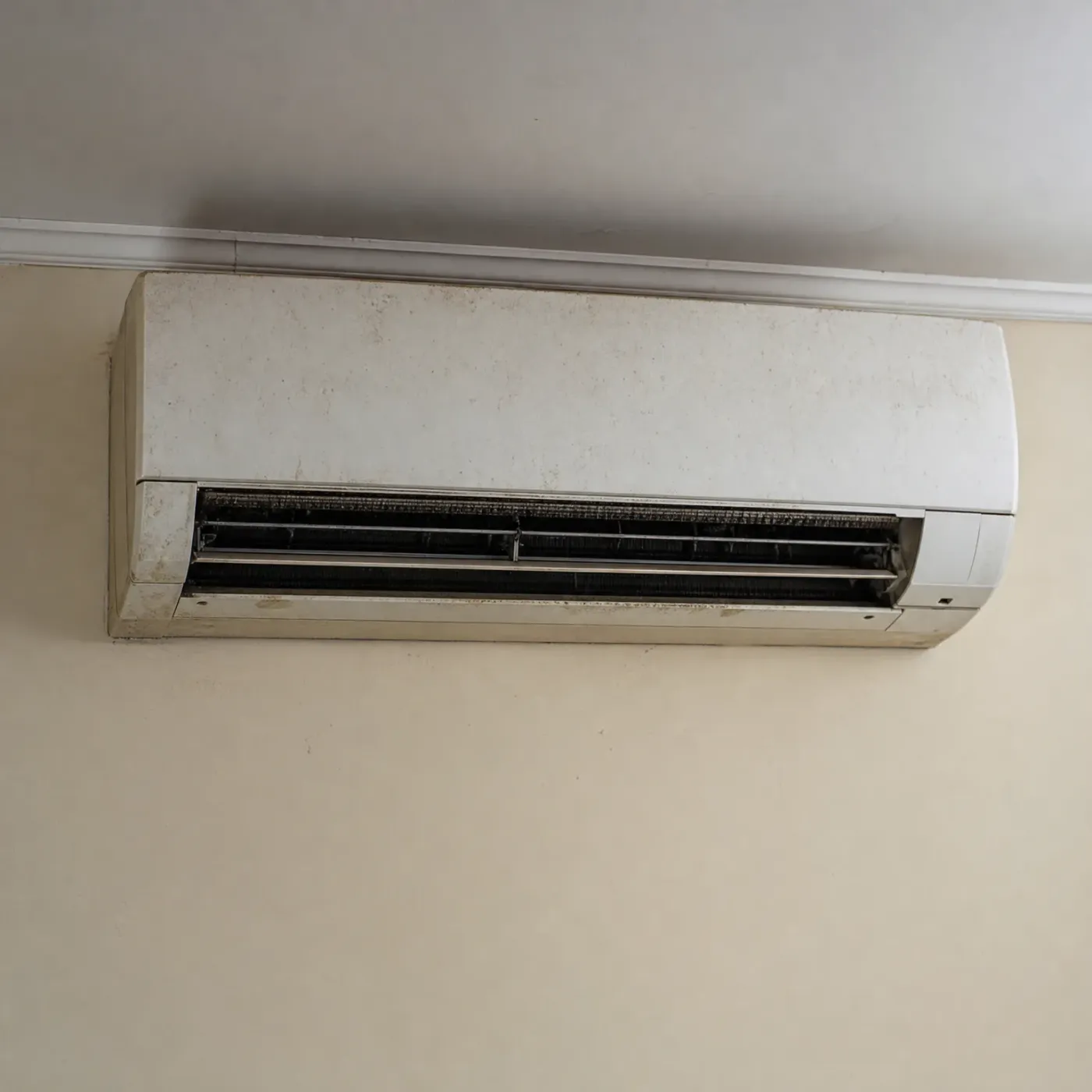
A dusty, discolored wall-mounted mini-split air conditioner unit near the ceiling of a plain beige interior wall.

Running down

This one's casing has gone yellow and caked with dust, which usually means the filter behind it hasn't been cleaned in a long while. A unit left like this is working harder than it should, and it's worth having someone look at what else that neglect has reached.

One room or several

One zone, no ducts

  • A single indoor wall unit covers one room on its own line set, so the installer isn't opening up ductwork anywhere else in the house.
  • Your gas furnace keeps running the rest of the house the way it always has, no changes to the existing system.
  • One outdoor compressor matched to one indoor head is a simpler install, usually less wall and attic work than a multi-zone setup.
  • If only one room gives you trouble, a single zone handles that room without paying for cooling capacity you don't need elsewhere.
  • There's one thermostat to think about, the one on the wall unit itself, separate from whatever runs your furnace.

Multiple zones, more rooms covered

  • One outdoor compressor can run two or three indoor heads, so a bonus room, a converted attic, and a sunroom can each get their own wall unit off a single outdoor unit.
  • Each indoor head still runs on its own thermostat, so one room can sit cooler than another without the rest of the house changing.
  • More indoor heads means more line sets run through the walls, which is more work for the installer than a single zone.
  • The outdoor unit has to be sized for the combined load of every room it's feeding, not just the one that bothers you most.
  • If you already know of two or three rooms the furnace never quite reaches, covering them together can mean one outdoor unit instead of two separate systems.
  1. An installer surveys the room and picks the wall unit location.

  2. A few inches of wall get bored through for the line set.

  3. The refrigerant line, drain line and wiring run outside to the compressor.

  4. The outdoor compressor gets mounted on a pad or wall bracket.

A white wall-mounted mini-split air conditioner installed high on a beige interior wall near the ceiling molding, with a light curtain and curtain rod at the left edge.
A unit that's sized right for the room and set on a clean line set still looks this good years in, panel tight, vents clear.
A wall-mounted mini-split air conditioner indoor unit with a discolored cream plastic casing and dusty outlet vanes, installed high on a plain light-colored interior wall near the ceiling.
Yellowed casing and dust caked in the louvers usually point to a unit that was never matched to the room or never serviced after install.
A single-story house with gray vinyl siding, dark shingled gable roofs, and white-trimmed windows, set behind a partly dry green lawn under a clear blue sky.

A dew point is what makes air feel heavy instead of just warm, and across an Oklahoma summer it averages 66°F, according to NOAA climate data. That's the air your mini split is actually working against in that one room. A furnace never deals with this, since it only runs when the air outside is dry and cold. A mini split pulls moisture out of the air as it cools, and at a dew point like this it's doing that constantly. If the unit's sized right, you'll feel it in the room: the air comes out cold and dry, not just cold. Undersized, the room stays cool but still feels damp.

NASA POWER T2MDEW county cells weighted by homes

A dusty white wall-mounted mini-split air conditioner installed high on a beige interior wall below a molded ceiling trim.
Before you get your mini split installation
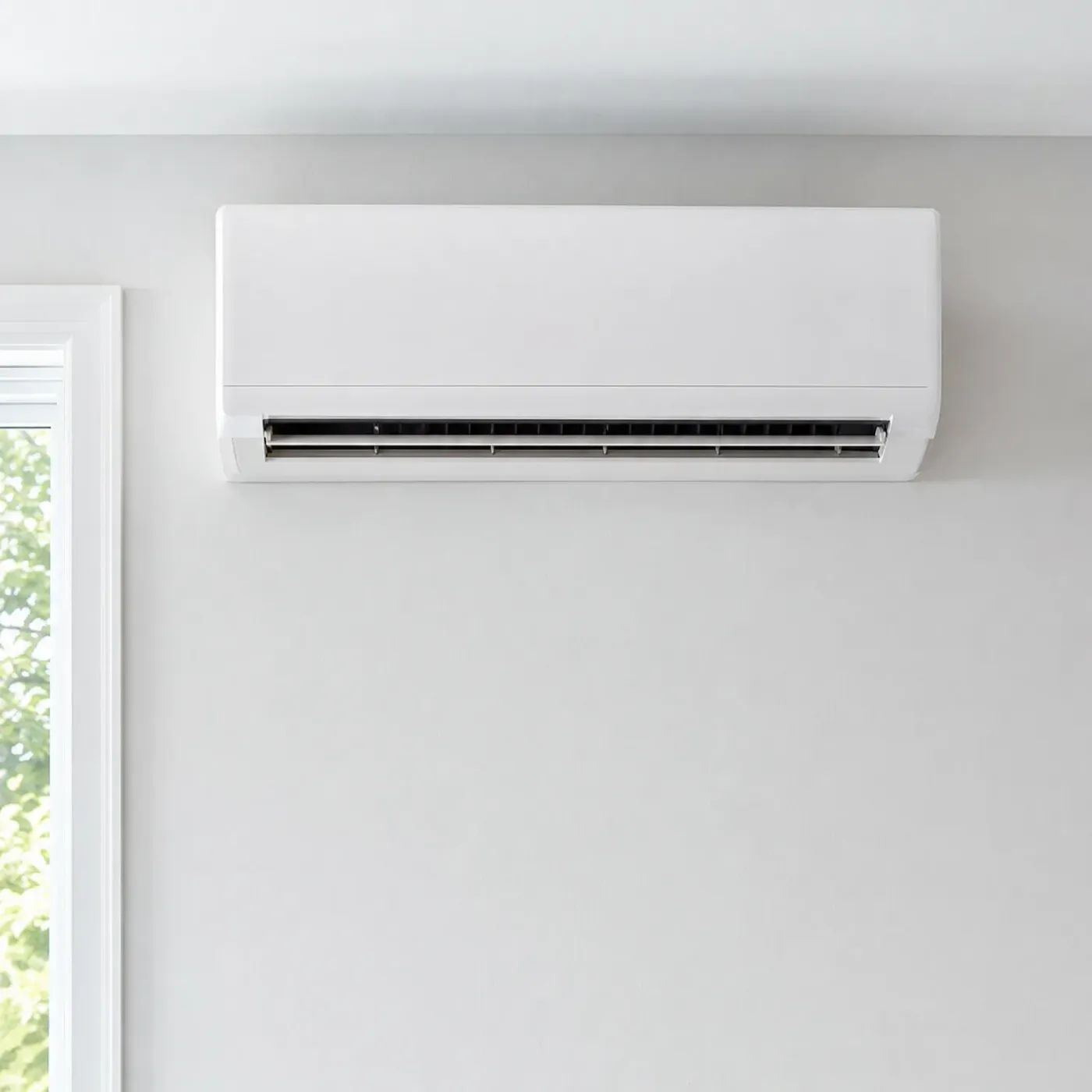
A white wall-mounted mini-split air conditioner unit installed high on a light gray interior wall near the ceiling, with a white-framed window and green foliage visible at the left edge.
After you get your mini split installation

Power costs 13.21 cents per kilowatt-hour statewide

At 13.21 cents per kilowatt-hour, running a mini split in that one room costs a lot less than most homeowners expect. Since it only has to cool or heat the space you're actually using, you're not paying to condition air for rooms the furnace already handles.

EIA-861 2025 statewide residential average

A woman wrapped in a thick beige fleece blanket sits on a sofa with an open book on her lap, beside a lit table lamp, with a frost-covered window behind her.
A gray-haired woman in a cream knit sweater stands in a dimly lit kitchen at night, looking to her right, with a round loaf of bread in the foreground and a dark window and potted plant behind her.

Where this leaves you

  • A mini split handles the one room your furnace can't, without touching the ductwork or system that already works for the rest of the house.
  • The furnace keeps doing what it's always done, and the wall unit runs on its own thermostat for that room alone.
  • Sizing and the line set are what decide whether the room holds steady or stays a problem, so getting that right matters more than the brand.
  • A local contractor who installs these every season already knows which rooms in Oklahoma homes give people trouble and why.
  • You're matched with one licensed installer local to you, not a handful of companies competing for the job.

A mini split and a gas furnace aren't competing for the same job. The furnace keeps the rest of the house warm all winter the way it always has, and the wall unit takes on the one room that's never been right, cooling it in that sticky Oklahoma summer and taking the edge off winter in that room too, on its own thermostat, through its own line set. Nothing about your existing ductwork or furnace changes. What decides whether this actually fixes the room is sizing and the install itself: a unit matched to the space, a line set run clean, a condensate drain that doesn't back up. Get those right and the room holds steady without hot corners or a unit straining to keep up. Get them wrong and you've spent money on a problem that still isn't solved.

That's where who installs it starts to matter. A contractor who works on these systems every season in homes around you has already seen which rooms give people trouble, bonus rooms over the garage, sunrooms, additions the furnace was never going to reach well, and knows what sizing and placement actually hold up through a summer here. You're matched with one licensed installer local to your area, not a list of companies calling you back. That installer looks at your room, not a generic one, and tells you what it actually needs.

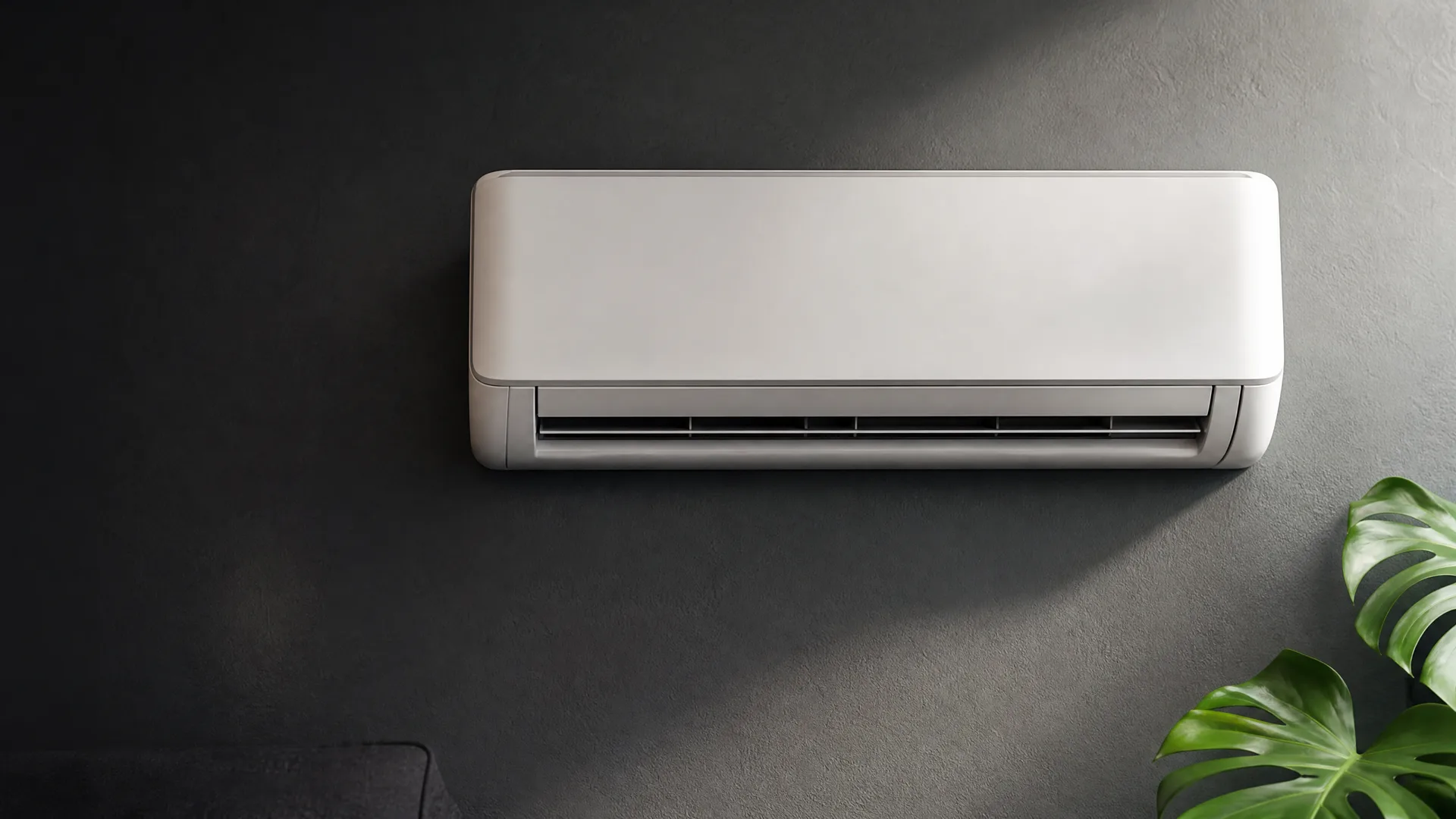
A white wall-mounted mini-split air conditioner on a dark grey textured wall, with a monstera plant leaf at the lower right corner.

The right pro for this job

Step 1 of 3: Equipment