Ductless Oklahoma

Can a mini split heat a basement in an Oklahoma winter

One request and the search for a pro is handled.

Let a pro reach out

Yes, a mini split can heat a basement in an Oklahoma winter, as long as it's sized for the space and the cold snaps you actually get. Most mini splits are heat pumps, and heat pumps pull heat from outside air even when it's cold, down to somewhere around 0 to 5 degrees for newer cold-climate models. Oklahoma winters mostly stay above that, with stretches of harder cold rather than months of it. Below its rated point, the unit loses output and may need backup heat to keep the basement comfortable. The bigger issue is usually sizing. A basement with concrete walls and little insulation loses heat differently than the rest of the house, and a mini split sized for square footage alone can end up undersized once the actual heat loss is worked out. Get that sizing right and the unit will keep a basement warm through anything Oklahoma winters bring.

A man with grey hair and stubble in a dark sweater sits on a grey sofa indoors, looking off to the side, with a potted plant and a sunlit window behind him.
A man with gray hair, a beard and glasses, wearing a dark green sweater, sits on a gray sofa in a sunlit living room with a potted plant, table lamp and wooden sideboard behind him.
A middle-aged man with graying hair and a short beard sits on a blue sofa in a living room, looking toward a window, with a bookshelf, lamp and framed picture in the background.
A man with graying curly hair and a dark green sweater sits on a gray sofa in a sunlit living room, looking off to the side, with a framed picture, shelving, an armchair and a window with sheer curtains behind him.

Is the basement actually keeping up this winter

You already know the signs. The thermostat on the unit says 70 but the room feels cooler than that, especially near the concrete walls or the far corners away from the indoor head. The unit runs and runs without shutting off on the coldest nights. Maybe you've got a space heater down there now, plugged in next to the mini split because the mini split alone isn't getting you there. If the basement stays damp and cold on top of that, you're looking at more than discomfort. Moisture that doesn't dry out down there can turn into mold on the framing or a musty smell that works its way upstairs.

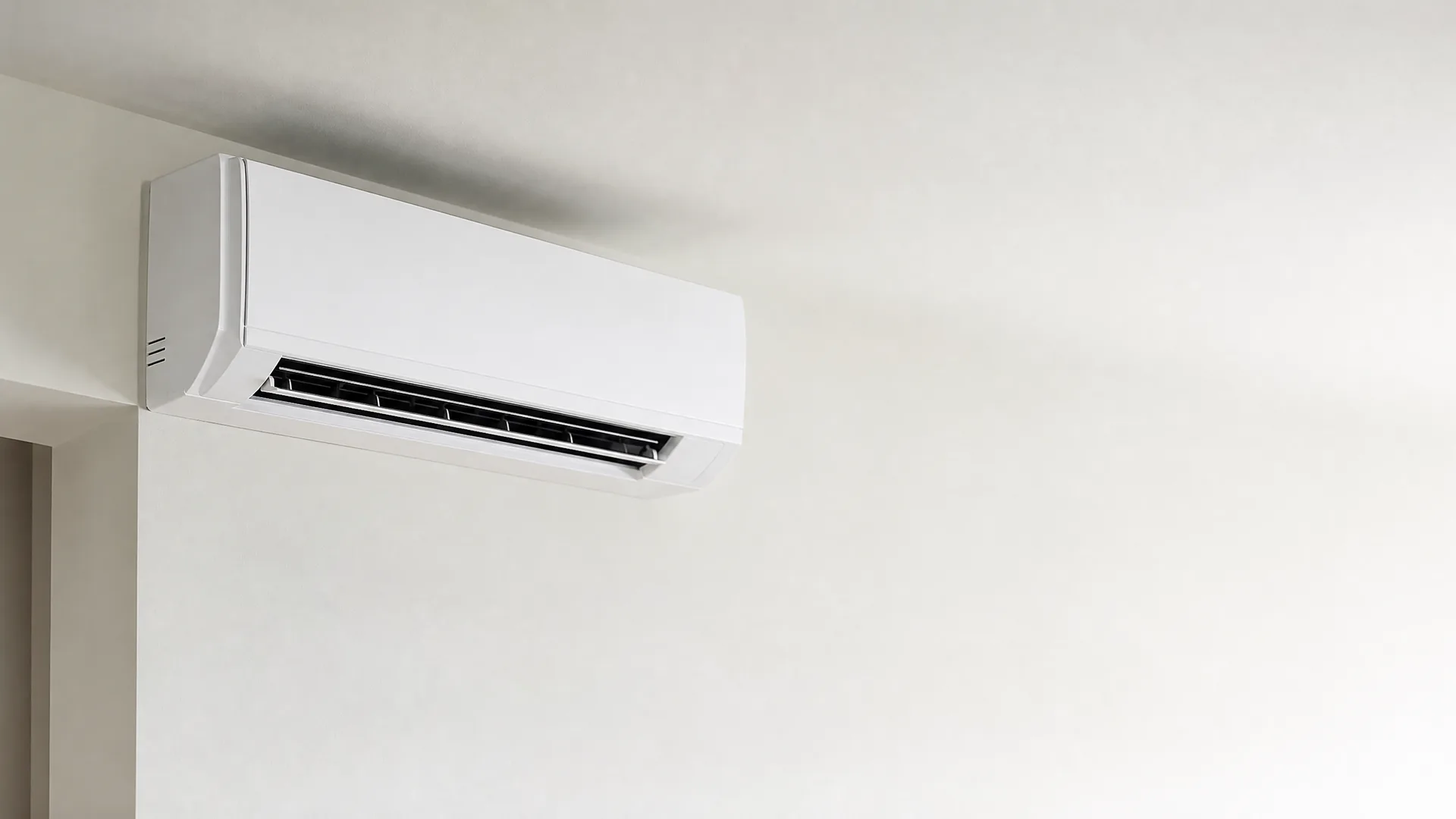
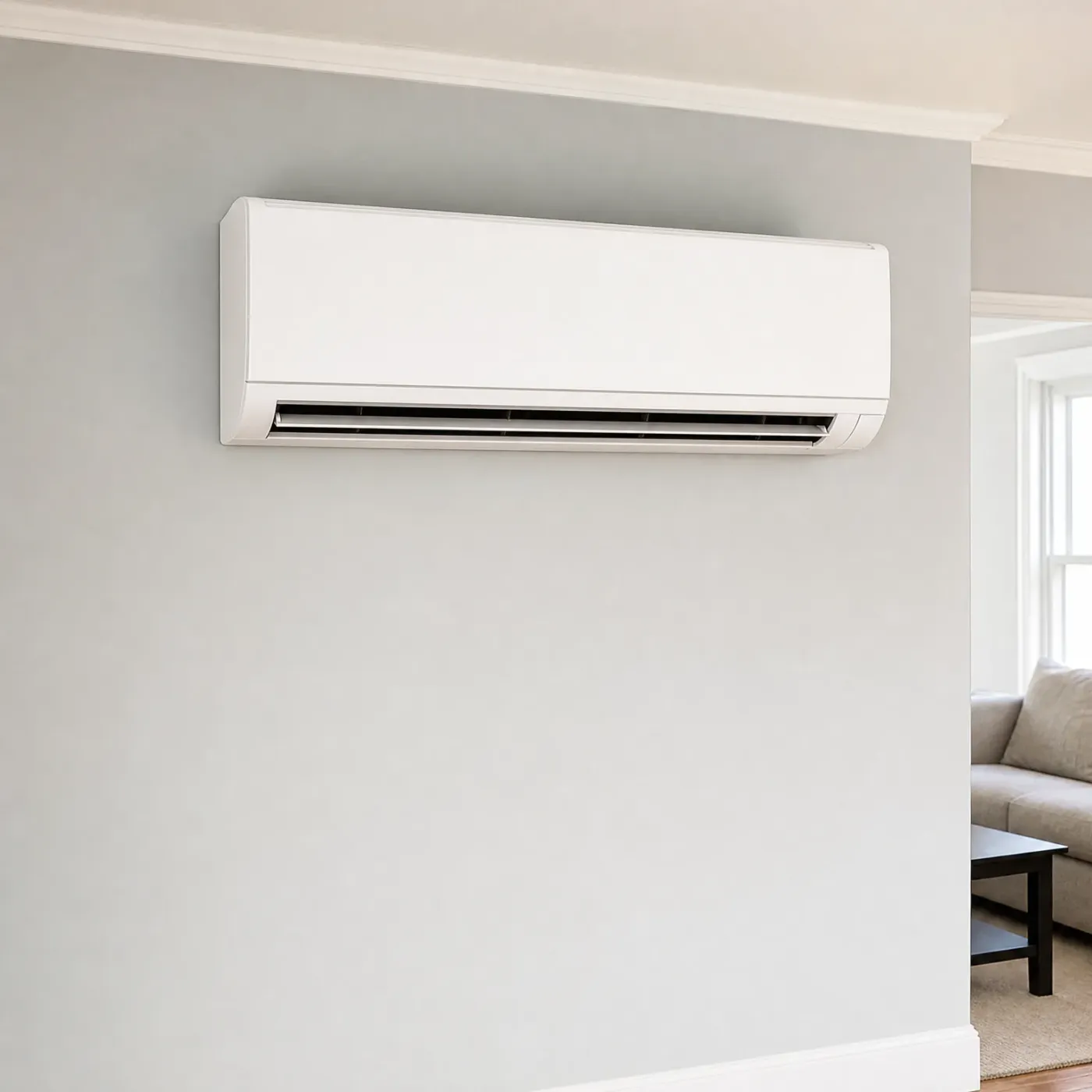
A white wall-mounted mini-split air conditioner unit near the ceiling on a plain light-colored interior wall with open space to the right.

Why basements fight back

A basement sits against the ground, and that ground stays cold straight through an Oklahoma winter. The concrete walls and floor pull heat out of the room all day, not just when the front door opens upstairs. That's a steady draw a mini split has to cover on top of whatever the room loses through the rim joist or any windows down there. Size the unit for that load, not for the square footage alone, and it keeps up.

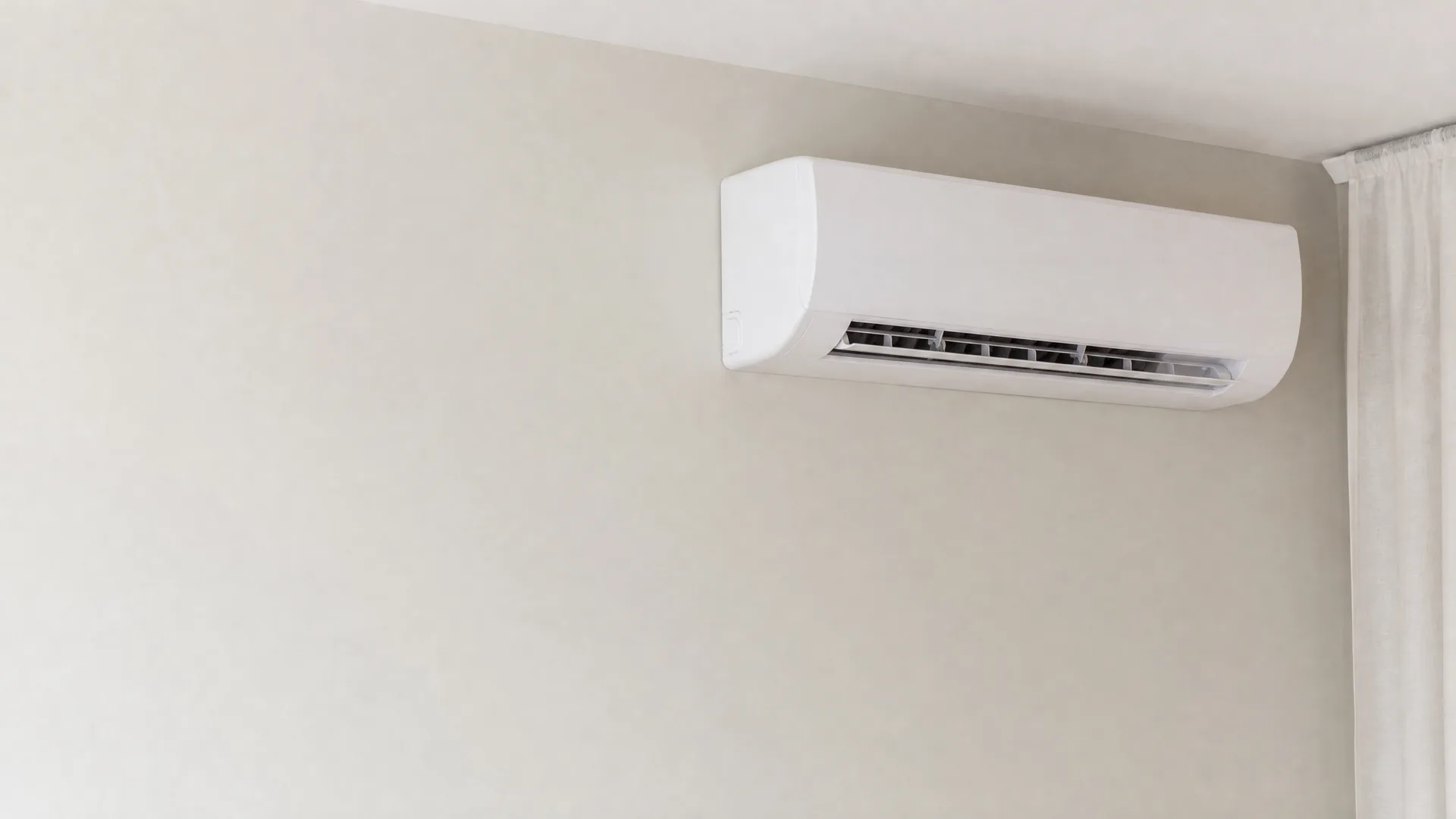
A white wall-mounted mini-split air conditioner unit installed near the ceiling on a plain beige interior wall, with a light curtain at the right edge.

What happens below freezing

A mini split is a heat pump, and heat pumps lose capacity as the outdoor air gets colder. Most still produce useful heat down around 0 degrees, but the lower the temperature falls, the harder the outdoor unit works to pull heat out of that air. On the coldest nights of an Oklahoma winter, a correctly sized system still covers the room. An undersized one falls behind right when you need it most.

Mini split alone or with gas backup

Mini split alone

  • A single-zone mini split sized for the basement can hold the room on most days without any backup heat running.
  • Power here is cheap, so running the heat pump through a cold stretch doesn't carry the penalty it would somewhere with higher electric rates.
  • Below freezing, output starts to drop off, and on the coldest nights the unit may not keep pace with how fast the concrete pulls heat out.
  • If the basement is finished and the rest of the house stays on gas, the mini split only has to cover that one space, which is what it's built for.
  • A unit sized too small for the square footage will run constantly and still leave cold corners, so sizing has to match the room, not just the floor area.

Mini split plus gas backup

  • Most homes here already heat with gas, so a basement with a floor register or two tied into that system has a backup source already in place.
  • On the handful of nights that drop well below freezing, the furnace can carry the load while the mini split handles everything above that.
  • Running two systems means two things to maintain, and the gas side still needs its own venting and gas line in good shape.
  • A basement that only gets occasional use might not need the gas backup running at all, since the mini split alone covers normal winter days.
  • Pairing the two only works if the ductwork or register into the basement was sized to actually move air down there in the first place.
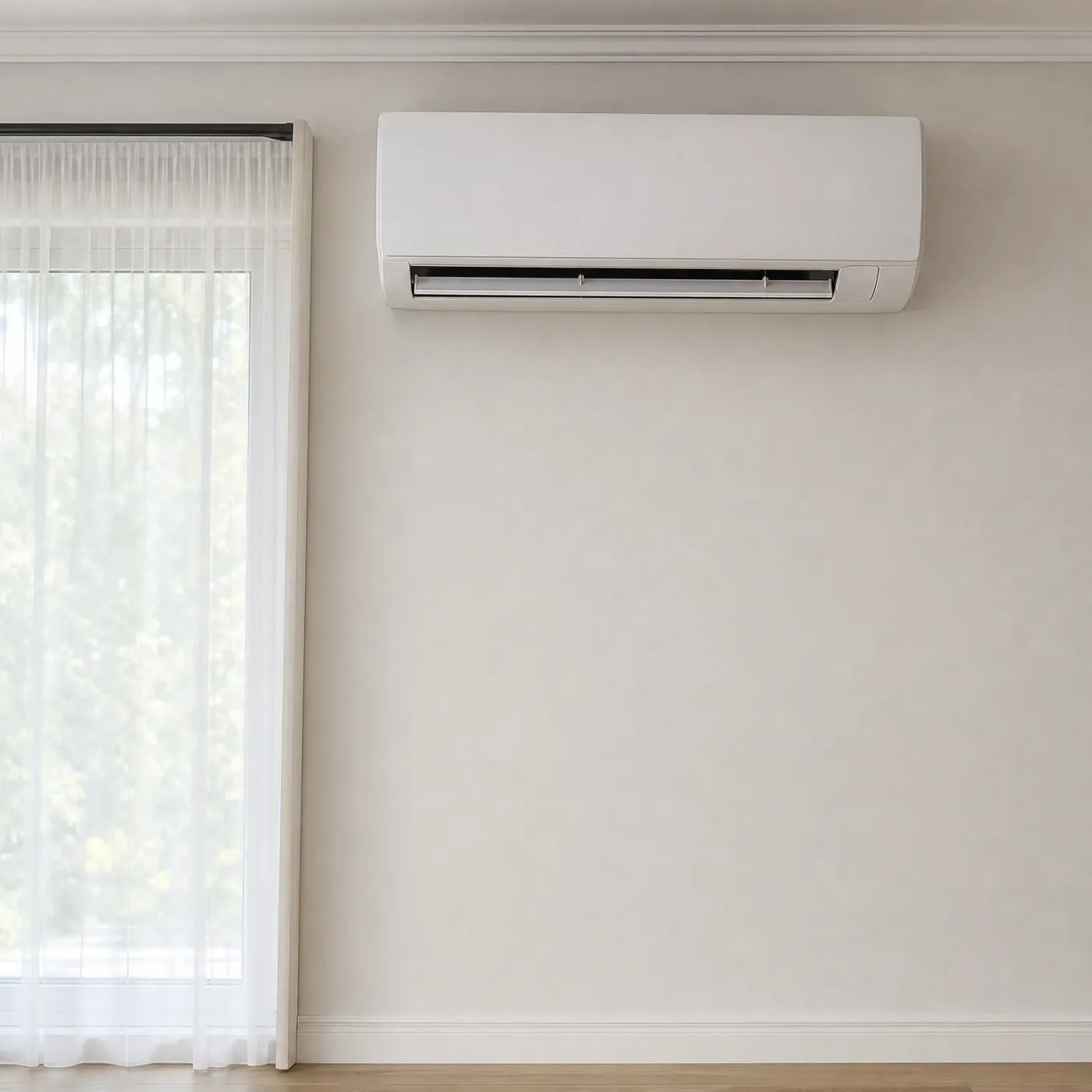
A white wall-mounted mini-split air conditioner on a beige interior wall, next to a window with sheer white curtains and green foliage outside.

Running clean

A mini split with a clear filter and an unobstructed head moves air the way it was sized to. It pulls in room air, reads the temperature, and pushes out heat without working harder than it has to. In a basement, that's what keeps the far corners from falling behind the thermostat reading.

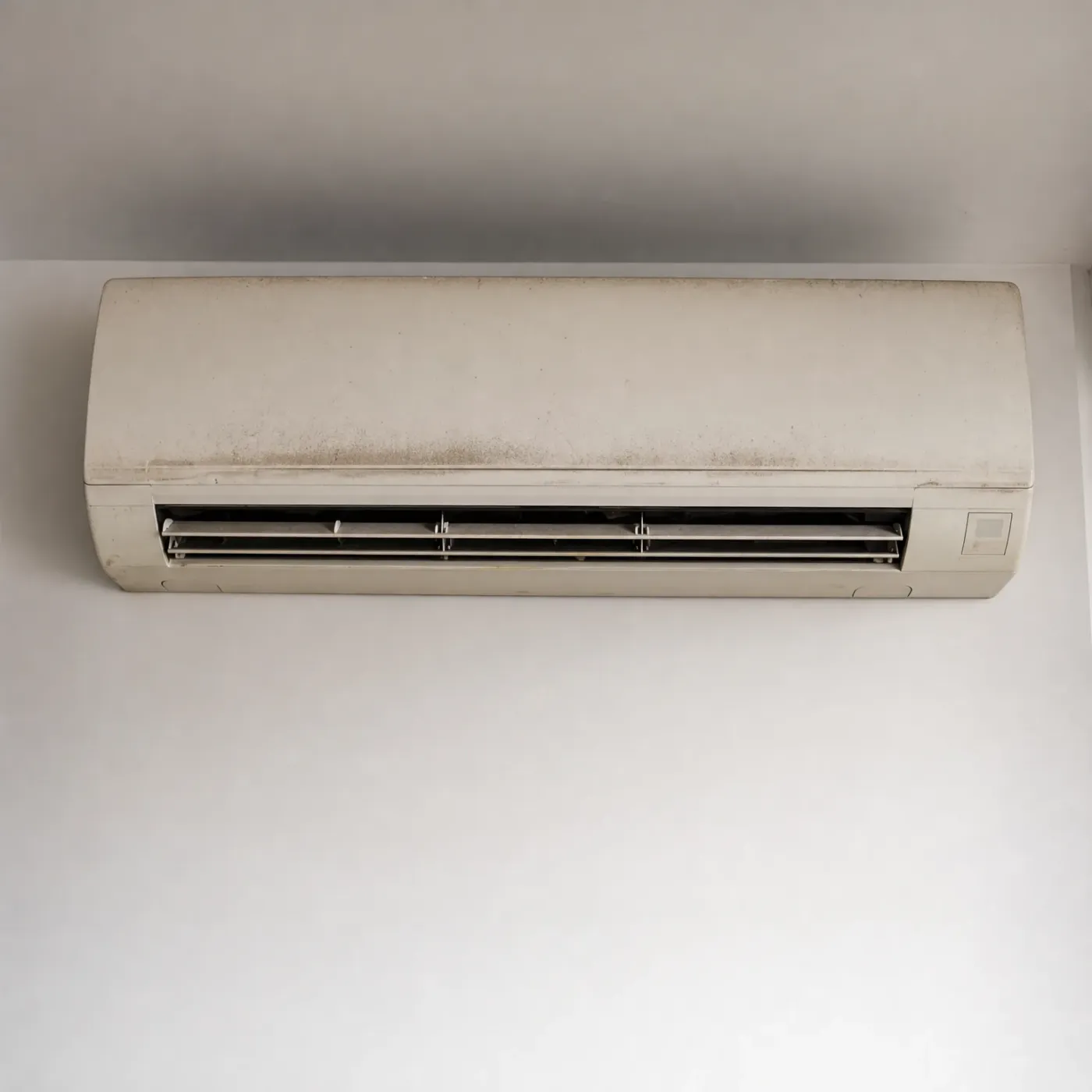
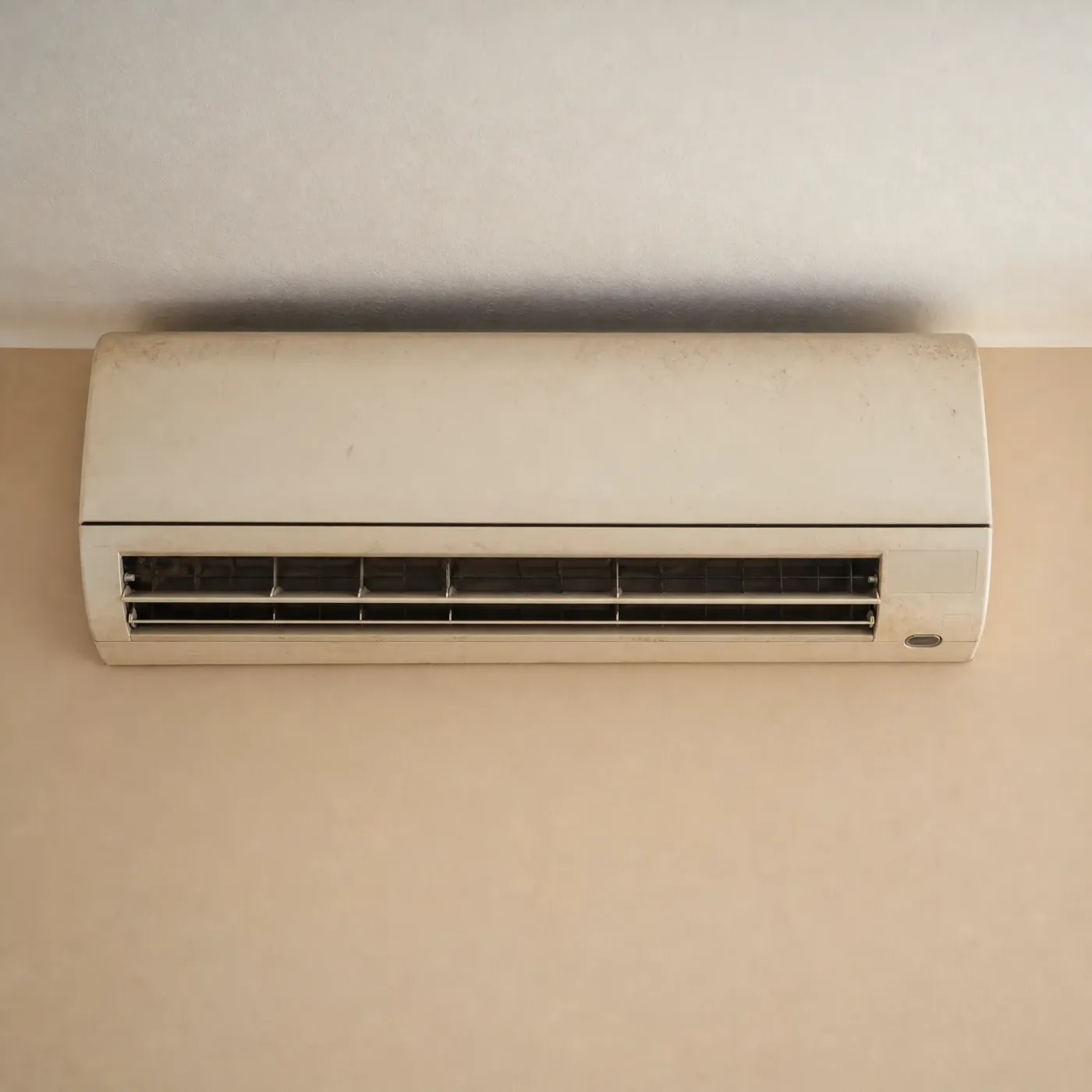
A dusty, discolored wall-mounted mini-split air conditioner indoor unit on a plain white wall, with its horizontal louvers and vent grille visible.

Caked in dust

Dust and grime built up like this across the vents block airflow in and out of the unit. It has to run longer to move the same amount of heat, and in a basement that's already losing warmth to the concrete, that difference shows up fast. A unit this dirty needs cleaning before winter, not during it.

A woman with shoulder-length brown hair wearing a beige knit cardigan sits in a gray upholstered armchair near a window, looking off to the side with a slight smile, with bookshelves blurred in the background.
A woman and a sleeping child wrapped together in a cream knitted blanket on a couch, with a potted plant, framed photo and lit lamp in the background.

Let someone else find the pro

Only one pro gets your request, so you hear from one company.

No fee to send it, and nothing to sign.

A basement with ductwork already

If your basement ties into the same ducts as the rest of the house, the gas furnace upstairs is already sending it heat. A mini split there is extra capacity for the coldest days, or for a room the furnace never quite reaches. It's worth having someone check whether the duct run to that room is sized right before assuming the mini split needs to carry the whole load on its own.

A basement with no ducts at all

A lot of finished basements were never tied into the furnace. No vents, no return, nothing. In that case the mini split isn't backup, it's the only heat the room has. That changes how it needs to be sized and placed, and it's worth having someone local look at the room itself, the ceiling height, the windows, before settling on a unit. Get that wrong and the room runs cold no matter what the thermostat says.

A wall-mounted mini-split air conditioner indoor unit with a dusty beige casing and dark louvered vent, installed near the ceiling on a plain beige wall.
Before you get your mini split installation
A white wall-mounted mini-split indoor unit installed high on a gray interior wall, with a sofa, dark table and window visible in an adjoining room to the right.
After you get your mini split installation

A basement with a mini split sized right for it holds 70 on a night in the teens without the backup coil kicking on. You feel warm air moving out of the head, not a trickle, and the room doesn't lag behind the rest of the house.

A basement with a mini split that's undersized or was never set up for a room this cold falls behind the first time a front comes through. The unit runs constantly, the backup heat carries the load, and the power bill shows it even with cheap rates.

Power costs 13.21 cents per kilowatt-hour statewide

At 13.21 cents a kilowatt-hour, running a mini split through a cold snap in the basement doesn't sting the way it might elsewhere. A heat pump moves heat instead of making it, so even on the nights it leans hardest, the basement stays cheap to keep warm.

EIA-861 2025 statewide residential average

Where this leaves your basement

  • A mini split sized for the basement's square footage and insulation will hold 70 through an Oklahoma winter, including the nights in the teens.
  • The basement's cold comes from the ground against the concrete, not from a weak unit, so sizing for that load is what matters most.
  • An undersized mini split or one with the wrong head placement will fall behind on the coldest nights no matter how well it's installed otherwise.
  • A local installer who works on these systems every winter knows which basements need a larger unit and which ones get by with a standard size.
  • Getting matched with one licensed contractor instead of several means someone who already knows Oklahoma basements is the one looking at yours.
  • Once the unit is sized and installed correctly, the basement stops being the room you have to think about when it gets cold.

A mini split can hold a basement at 70 through an Oklahoma winter, including the nights that drop into the teens. The ground against the concrete is what makes a basement cold, not anything wrong with the equipment, and a unit sized for that load is what settles the question either way. Get the size wrong, or hang the head somewhere it can't throw air across the room, and the coldest nights will expose it no matter how clean the install looks otherwise.

Sizing a basement right takes someone who's done it before, in houses like yours, in this kind of cold. An installer who works on these systems every winter in Oklahoma has already seen which basements need a larger unit and which ones hold fine on a standard size. That's the kind of judgment that doesn't show up in a spec sheet, and it's why who installs this matters as much as what gets installed.

When you send the request, you're matched with one licensed contractor local to you, not a handful of companies competing for the job. That means the person looking at your basement already knows what Oklahoma winters do to a room below grade, and what usually goes wrong when the sizing is off. You explain the room once, to one person, and that person already has a sense of what they're walking into.

Once the unit is sized and set up for the space, the basement stops being the room you have to watch when the forecast turns cold. It holds its temperature the way the rest of the house does, and you stop thinking about it.


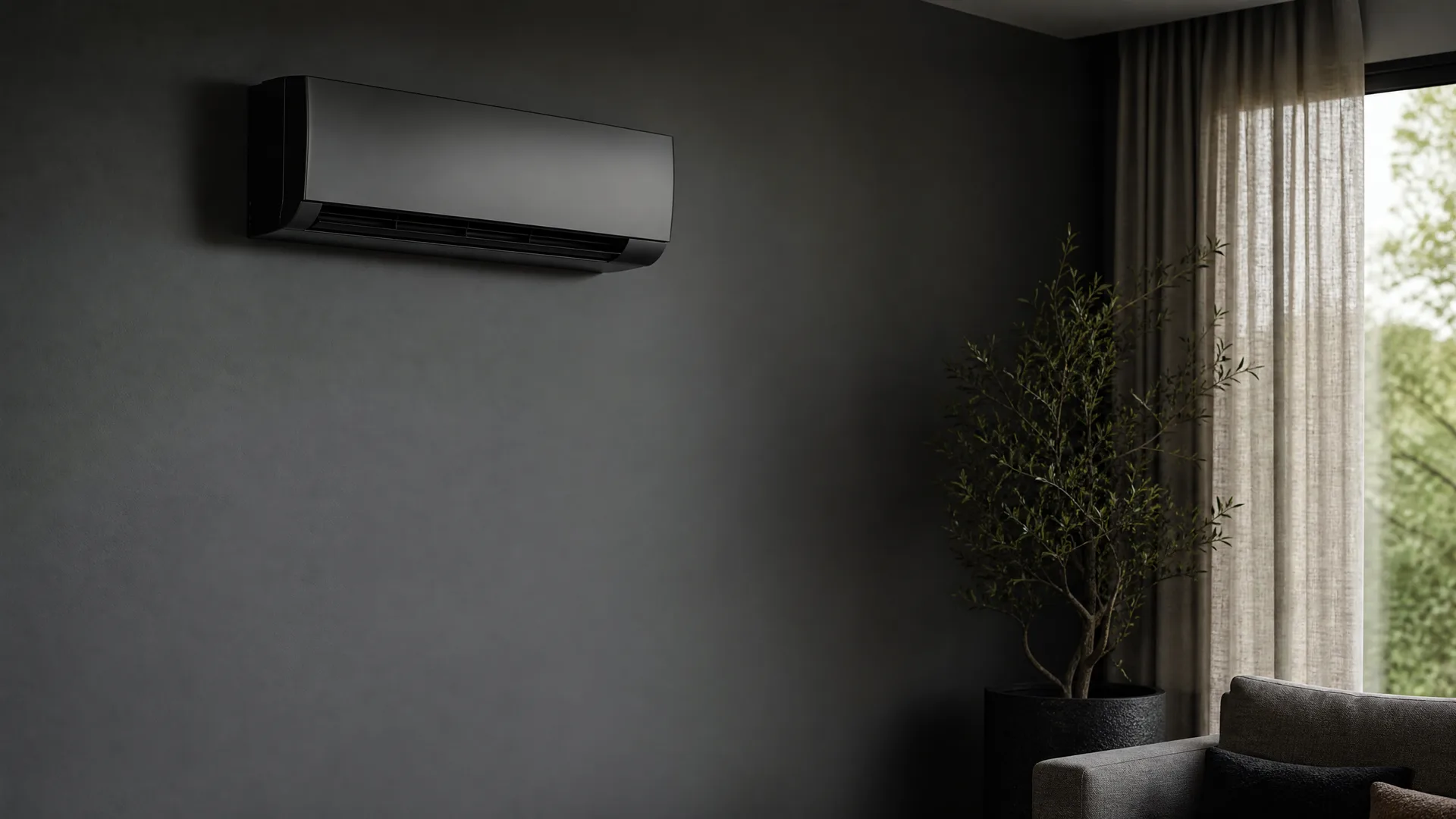
A dark wall-mounted mini-split air conditioner on a gray interior wall, with a potted olive-like tree, sheer curtains over a window showing green foliage, and a gray sofa in the lower right corner.

One request and it's handed off

Your request stays with one local pro.

Step 1 of 3: Equipment