Send the form and the search for an installer is over.
Most mini splits stop pulling warm air out of the cold once it drops somewhere around 5 degrees, and some lower-end units give up well before that. In Oklahoma, that matters more some winters than others. A hard freeze in January isn't rare here, and if your mini split is the only heat in that room, you're the one who finds out at 2 in the morning that it's blowing cold.
That's not a flaw you can argue away. It's how the heat pump works. Below a certain outdoor temperature, there isn't enough heat left in the air for the unit to move it inside efficiently, so it either slows way down or shuts the burner-less heat off entirely. Most homes in Oklahoma heat with gas already, so the mini split is usually doing the smaller job, a sunroom, a converted garage, an addition the ductwork never reached. That's exactly the setup where a cold snap catches people off guard, because the rest of the house stays warm and the one room doesn't.
Whether your specific unit is rated to handle an Oklahoma winter, or needs backup heat for the nights it can't, depends on the model and how it was installed. That's a question worth answering before the next cold front, not during it.
If you're finding out now that your mini split isn't keeping up, you don't have to spend the next few days calling installers, explaining the same problem five times, and comparing quotes that don't tell you much anyway. Send the details once through the form below, and the search for who can actually look at this unit stops being something you have to manage yourself.
Most mini splits start losing heating power somewhere around 20 to 30 degrees, and below 5 degrees many of them can't pull enough warmth out of the outside air to keep up at all. That's just how a heat pump works. It moves heat from outside air into your home, and the colder that air gets, the less heat there is to move. Oklahoma doesn't sit at those temperatures for long, but it does get there. A January cold snap can drop into single digits for a night or two, and when it does, a mini split running alone will fall behind. Most homes here lean on gas heat anyway, so this usually isn't the whole house's problem. But if you're using a mini split to heat a room, a converted garage, or an addition the furnace doesn't reach, those cold nights are when you'll feel it fall short. The fix is picking a unit rated for it or backing it up, not hoping the weather cooperates.
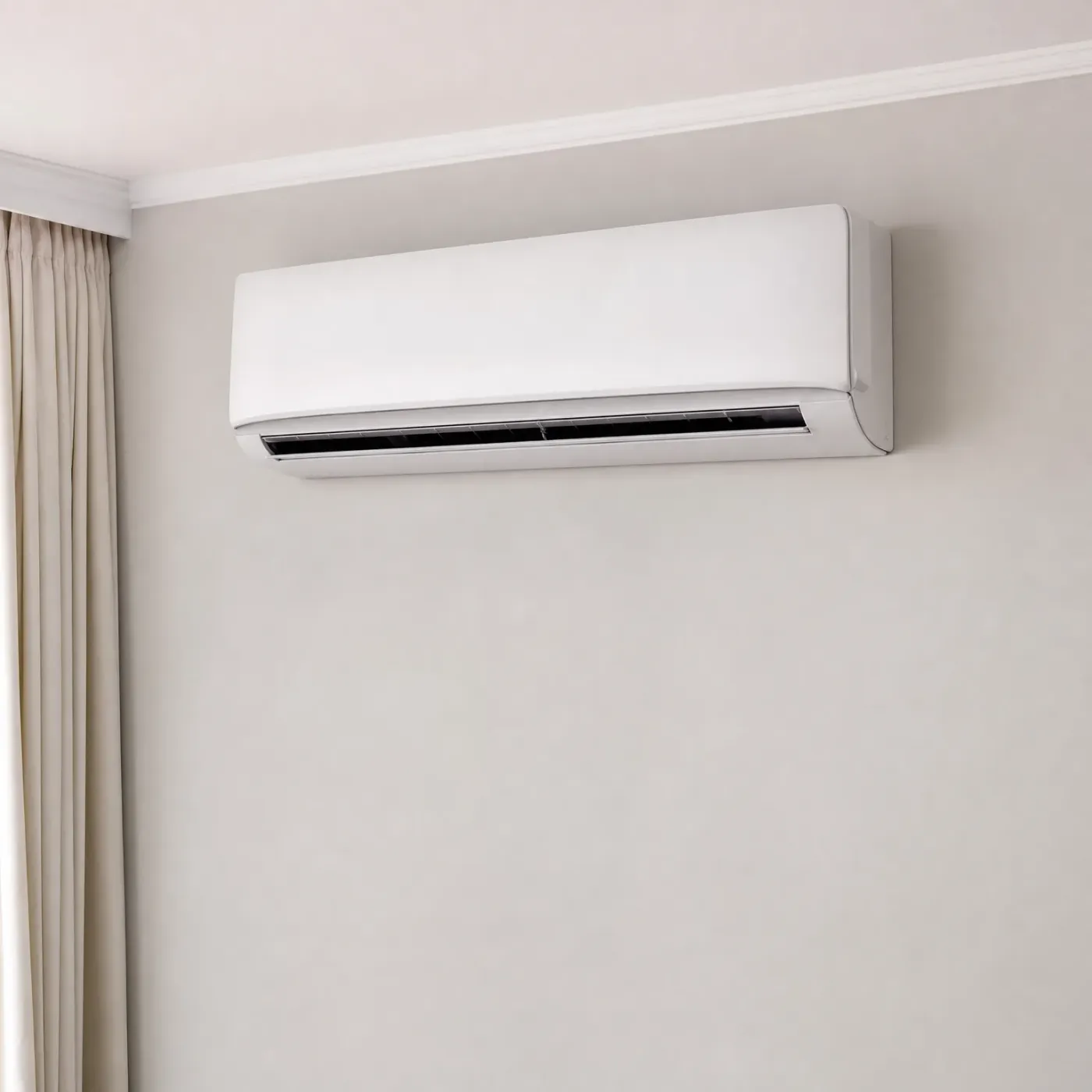
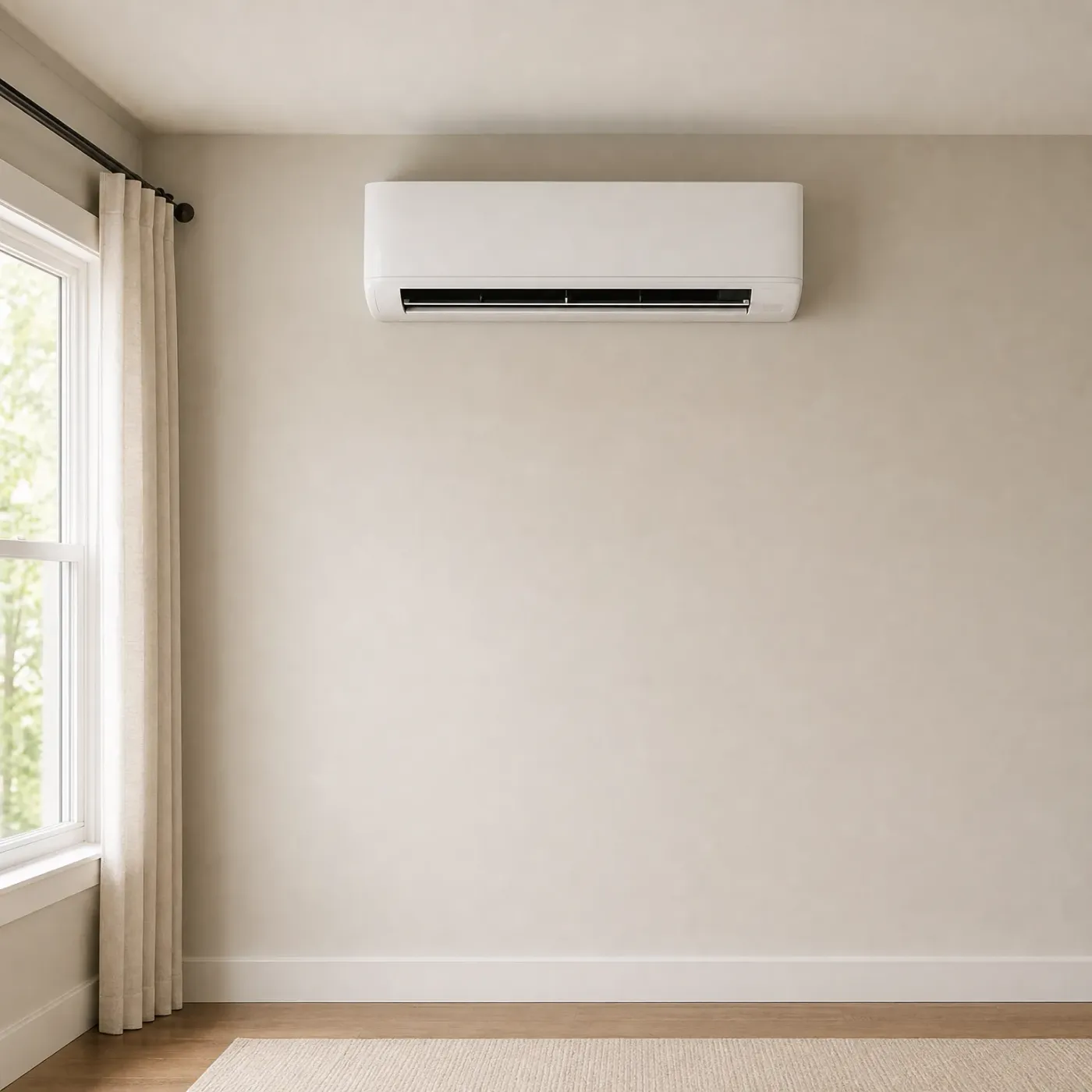
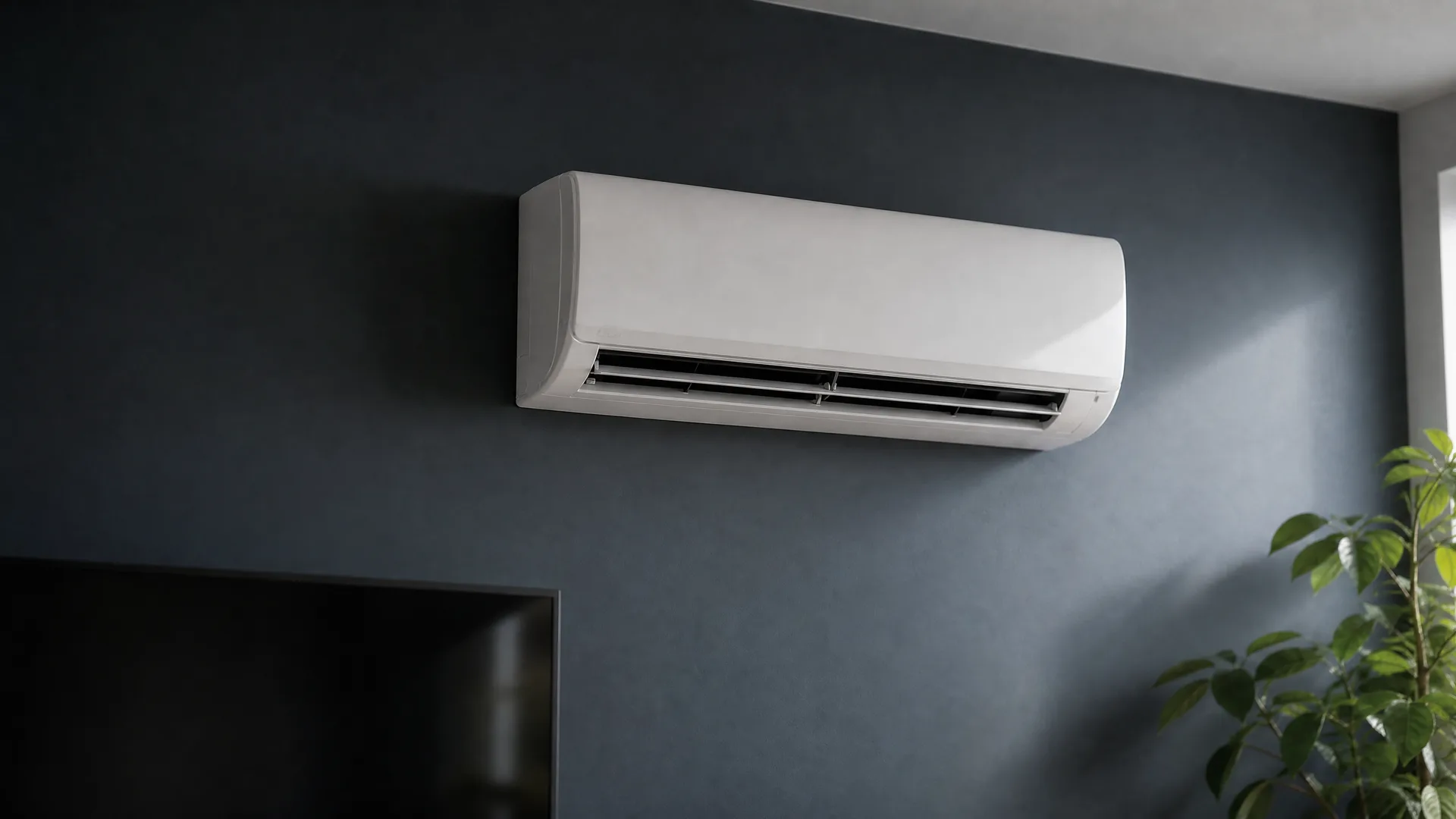
A mini split that's sized and installed right keeps pulling warm air in cold weather and doesn't strain to do it.
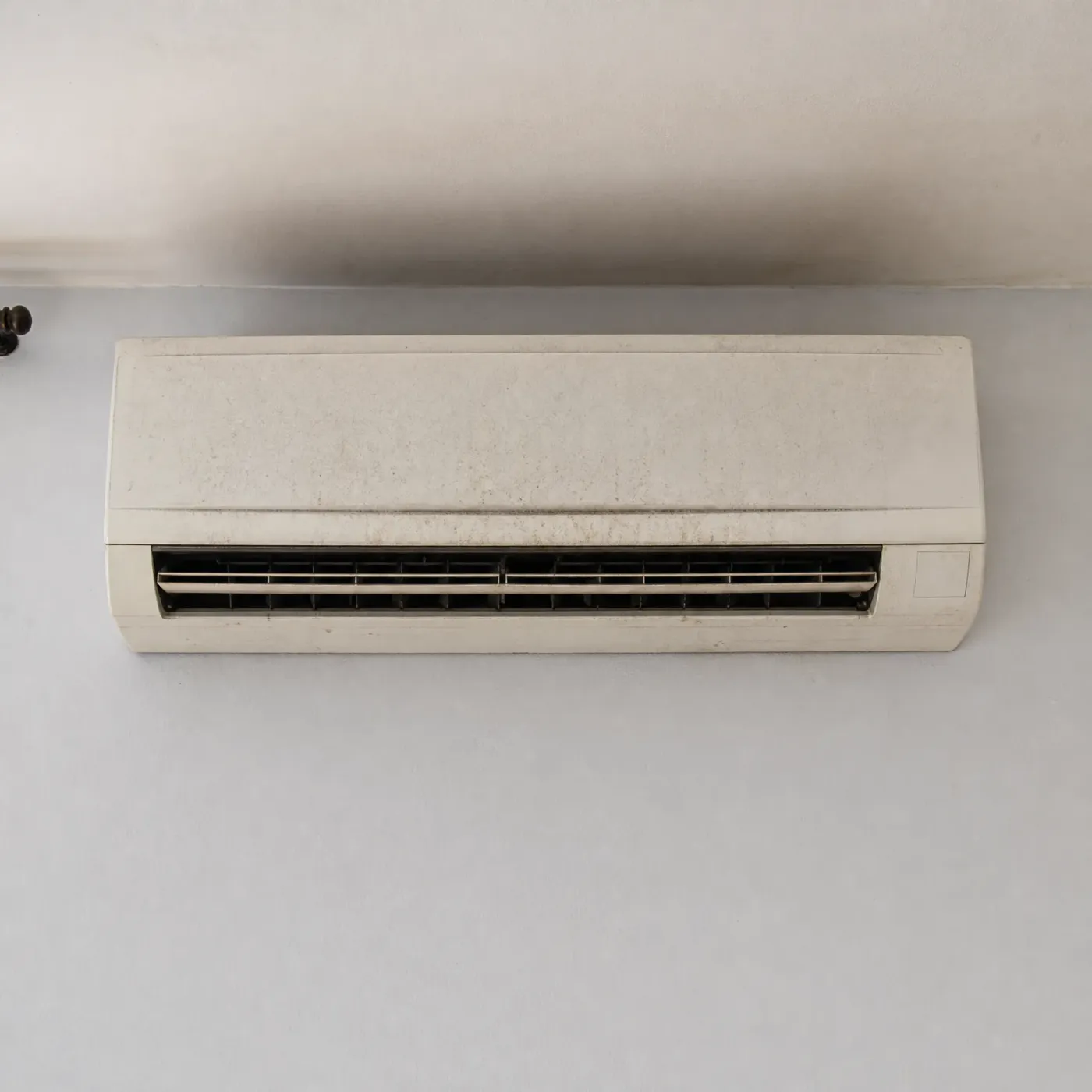
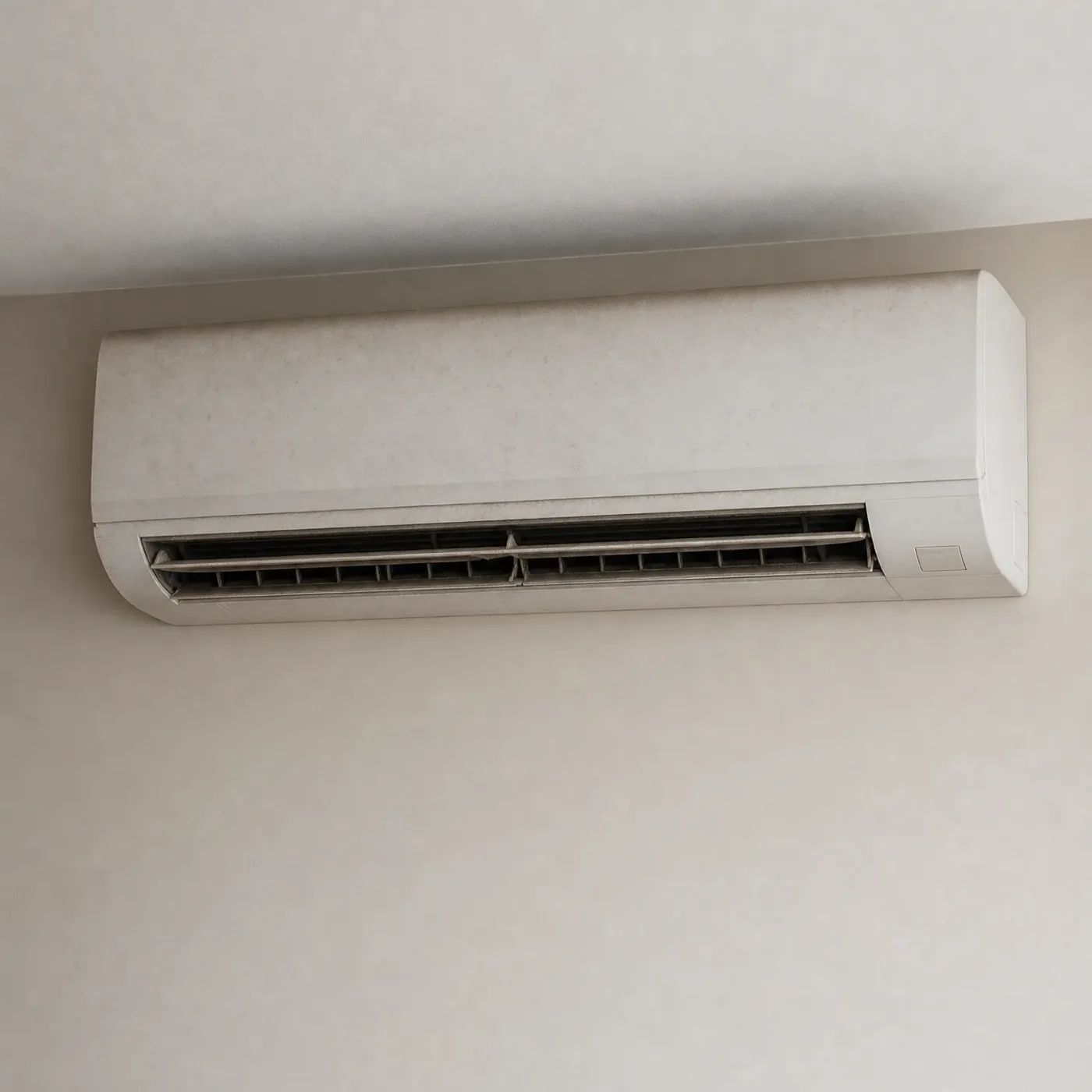
Dust packed into the coil and staining on the wall point to a unit that's been struggling for a while now.
Will my mini split still work when it's below freezing outside?
You've seen the temperature drop into the 20s overnight and you're wondering if your mini split is still doing anything up there on the wall, or if it's just running without keeping up. Oklahoma doesn't sit below freezing for long stretches most winters, but it happens enough that you want a straight answer before it does again.
Yes, down to a point, then it needs backup
A mini split still pulls heat out of 32 degree air. The outdoor unit has a compressor and a coil, and as long as there's any warmth in the air outside, the system can move it indoors. What changes is how hard it has to work to do that. As the temperature keeps dropping, the compressor runs longer and the output drops off. Most units installed here handle a typical Oklahoma freeze without trouble. The question is what's backing it up on the nights that go colder than that, since most homes here already heat with gas and that furnace can carry the load a mini split starts losing.
A mini split that's undersized or set up wrong feels that cold snap first. You notice it on the coldest nights, when the house won't hold its temperature and the unit just keeps running. In most Oklahoma homes that's backup heat from a gas furnace, which is fine if the mini split is doing the job the rest of the year and just needs help on the worst nights. But if it's losing ground every time the temperature drops, that's a sizing or installation problem, not a cold weather problem, and it's worth having someone look at before next winter rather than after. Figuring out whether what you have is working as designed or was never set up right means getting a contractor out to look at the actual unit and the actual room it's heating. That's the part worth handing off. You don't have to call around Oklahoma asking who covers mini splits, explain the symptoms three times, and sort through whoever calls back first.
What cold-climate models do differently
A standard mini split and a cold-climate model look the same on the wall, but the compressor inside isn't. Cold-climate units use a variable-speed compressor built to keep running at low outdoor temperatures, ramping up to pull more heat out of thin, cold air instead of stalling out. Some are rated to keep producing heat down to -13 degrees or lower. A basic unit's compressor just wasn't built for that range, so it loses capacity faster as the temperature drops. If your winters bring a real freeze some years, that compressor is the difference between a system that keeps up and one that hands off to backup heat early.
Why sizing changes the cutoff
Two homes with the same mini split can see different results in a freeze, because the unit was matched to one house and not the other. A mini split sized for an average Oklahoma winter is already working near its limit once it's pulling heat from 20-degree air. Oversize it and it short-cycles instead of running steady. Undersize it and it falls behind as soon as the temperature drops. Getting the sizing right, based on your home and not just the room it's in, is what decides whether that unit still has headroom left when a hard freeze actually hits in January.
Power costs 13.21 cents per kilowatt-hour statewide
At 13.21 cents a kilowatt-hour, running a mini split on the coldest nights costs less here than in most states. That makes a cold-climate unit worth the extra upfront cost, since you're not paying much per hour to keep it working hard through a freeze.
EIA-861 2025 statewide residential average
What a cold snap does in your house
On a night in the 20s, a mini split that's undersized or getting old will run close to nonstop and the air coming off it starts to feel cool instead of warm. You'll notice it most in the room it's supposed to heat on its own. If you're leaning on it as your main heat, a gas furnace picking up the slack keeps the house livable, but a mini split that's carrying a room by itself can leave you cold in that room until morning. That's the kind of thing you want sorted before January, not during it.
Why this is worth planning ahead
A mini split installed for an Oklahoma winter has to be sized for your house and your coldest nights, not just your summers. Get that wrong and you end up with a unit that struggles every freeze, year after year, or one you're paying to run harder than it should. Sorting that out yourself means tracking down contractors, explaining your house and your equipment to each one, then sitting with a stack of quotes trying to tell them apart. Send one form instead and that search stops being yours to run. You're not fixing the cold tonight. You're making sure next winter isn't a repeat of this one.
1
Outdoor air passes over the coil and gives up its heat to the refrigerant.
2
The compressor squeezes that refrigerant, which raises its temperature further.
3
Hot refrigerant moves inside and releases heat through the indoor coil.
4
The indoor fan pushes that heated air out into the room.
Before you get your mini split installationAfter you get your mini split installation
Summer here isn't just hot, it's heavy. Dew point across Oklahoma averages 66°F in June, July and August, based on NOAA climate data, and that's the number that decides how hard your mini split has to work to make a room feel dry instead of just cool. A unit sized for the heat alone will drop the temperature on the thermostat but leave the air feeling damp, especially in a room that's closed off or holds moisture. You'll notice it on the skin before you notice it on the display: the room reads 72 and still feels sticky. That's the coil not pulling enough moisture out of the air it's cooling.
NASA POWER T2MDEW county cells weighted by homes
So how cold is too cold
A cold-climate mini split sized right for your home will keep heating through an Oklahoma winter, including the nights that drop into the teens. A standard unit will start falling behind somewhere around 20 to 30 degrees and may stop being much use below 5. That's the line. Which side of it your house falls on comes down to the unit and the install, not the weather.
Getting that right means someone looks at your home specifically, not a spec sheet. Instead of calling around to find an installer, explaining the same problem to each one, then sitting with quotes that are hard to compare because nobody measured your house the same way, you can send one form and let that search be someone else's job. You'd still be making the call on the install itself. You just wouldn't be the one tracking down who to ask.