




Profile view of a bearded man wearing a dark green baseball cap and a dark gray T-shirt against a plain light background.

Is a cold-climate mini split worth it in Oklahoma

Step 1 of 3: Equipment

Is a cold-climate mini split worth it in Oklahoma

You've got a mini split already, or you're pricing one out, and you keep seeing "cold-climate" models mentioned. Oklahoma winters aren't brutal like Minnesota, but they're not mild either, and you want to know if paying more for that rating actually gets you something here, or if it's money spent on a cold you don't really have.

Yes, mostly because of what it does for you in summer, not winter

A cold-climate mini split keeps its heating output at low temperatures that a standard unit can't match, but Oklahoma rarely sees the kind of cold that makes that difference matter, and most homes here already have gas heat to fall back on anyway. Where it earns its keep is the compressor. Cold-climate models use a variable-speed compressor built to run efficiently across a wider range, and that same compressor is what carries you through a muggy Oklahoma summer without straining. You get steadier cooling on the worst July days and a unit that isn't maxed out just to keep up. For most homes here, that's the real payoff, not the winter rating on the box.

  1. The outdoor unit pulls heat out of cold air, not warmth from fire.

  2. A cold-climate compressor keeps ramping speed as the temperature drops outside.

  3. Refrigerant carries that heat inside through the line set to the indoor head.

  4. The indoor head blows heated air straight into the room it's mounted in.

A smiling man in a dark navy sweater sits on a light sofa in a living room, with a glass bowl of popcorn on a wooden coffee table and bookshelves behind him.
A smiling man in a dark green sweater sits on a tan leather sofa in a dimly lit living room, with a bowl of popcorn in the foreground and a kitchen area blurred behind him.
A smiling middle-aged man in a dark shirt sits on a gray sofa in a living room, with a bowl of popcorn on a side table and shelves, a window and kitchen area behind him.
A smiling bearded man in a dark gray t-shirt sits on a gray couch in a living room, with a large glass bowl of popcorn on a wooden table in the foreground.

Most houses here lean on a gas furnace, so the mini split is doing extra work, not the main job. That changes what cold-climate buys you. It is not about replacing the furnace. It is about what happens in the one room the mini split actually covers when the temperature drops and stays there. A standard unit can fall off right at that point. A cold-climate compressor keeps working instead of losing capacity when you need it most. Come summer, that same outdoor unit is back on cooling duty, and Oklahoma humidity makes that work hard too, so you are not buying performance you only use half the year. Power is cheap here, so the real difference between a standard and a cold-climate unit tends to show up in what you pay to have it installed, not in the bill afterward. If that room has nothing else keeping it warm, a unit that cannot hold up below freezing leaves you with no backup exactly when the cold hits hardest.

What This Means For Your House

  • A gas furnace still carries most of your heating load, so a cold-climate mini split mainly covers the shoulder months and the room it serves.
  • On a hard freeze, a standard mini split can lose capacity right when you need it most, while a cold-climate compressor keeps producing heat.
  • If your mini split is heating a converted garage or an add-on room, a cold snap without cold-climate performance means that room goes cold while the rest of the house stays warm.
  • Oklahoma summers run humid, and the same cold-climate unit that holds up in January is also doing the cooling work in July and August.
  • Cheap power here means the extra cost of a cold-climate model shows up more in the install than in what it adds to your bill.
  • If the mini split is your only heat source in that space, a unit that struggles below freezing leaves you without backup once it can't keep up.
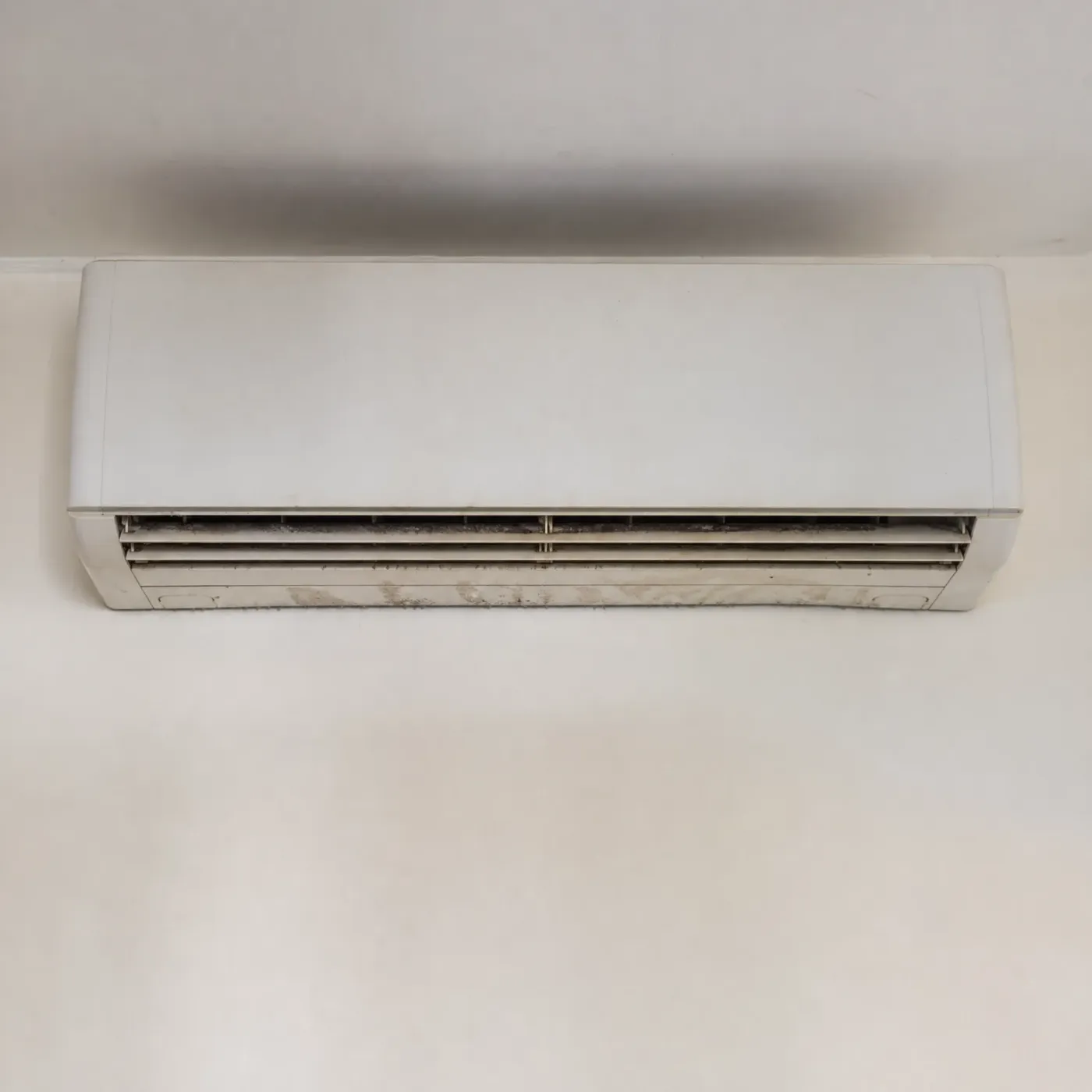
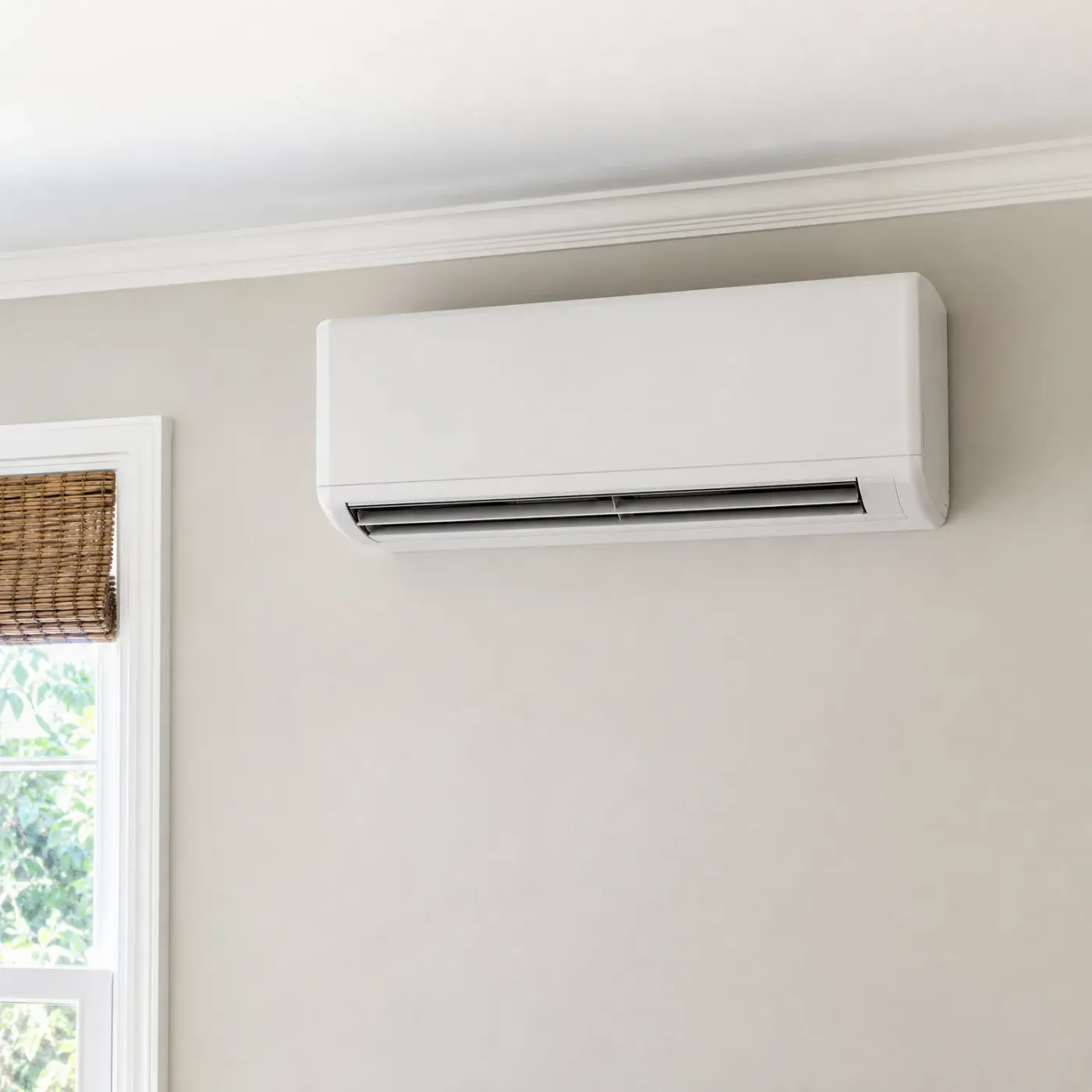
A dusty, stained white wall-mounted mini-split air conditioner indoor unit installed high on a plain off-white interior wall near the ceiling.
Before you get your mini split installation
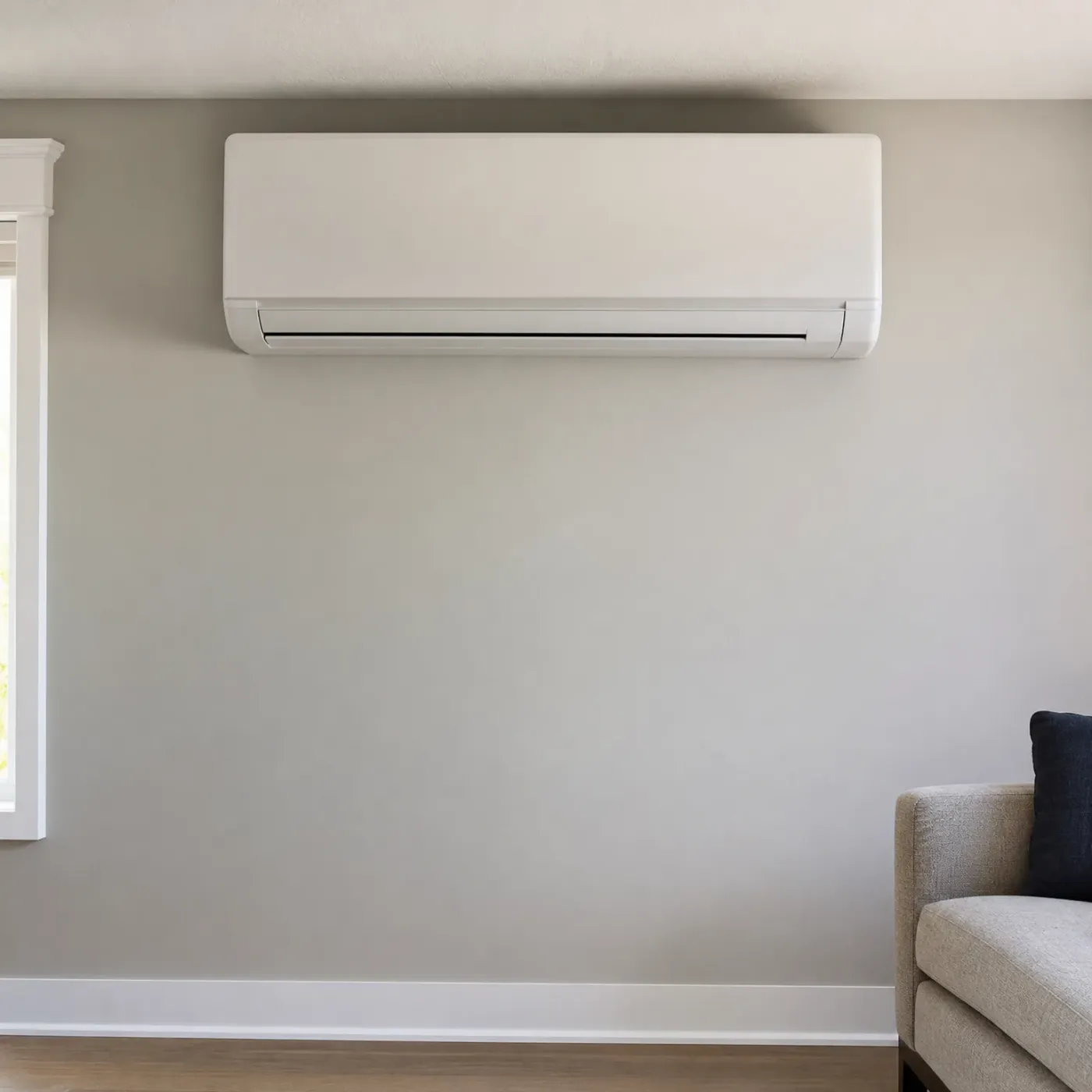
A white wall-mounted mini-split air conditioner unit installed high on a beige interior wall below white crown molding, with a window and woven shade at the left edge showing green foliage outside.
After you get your mini split installation
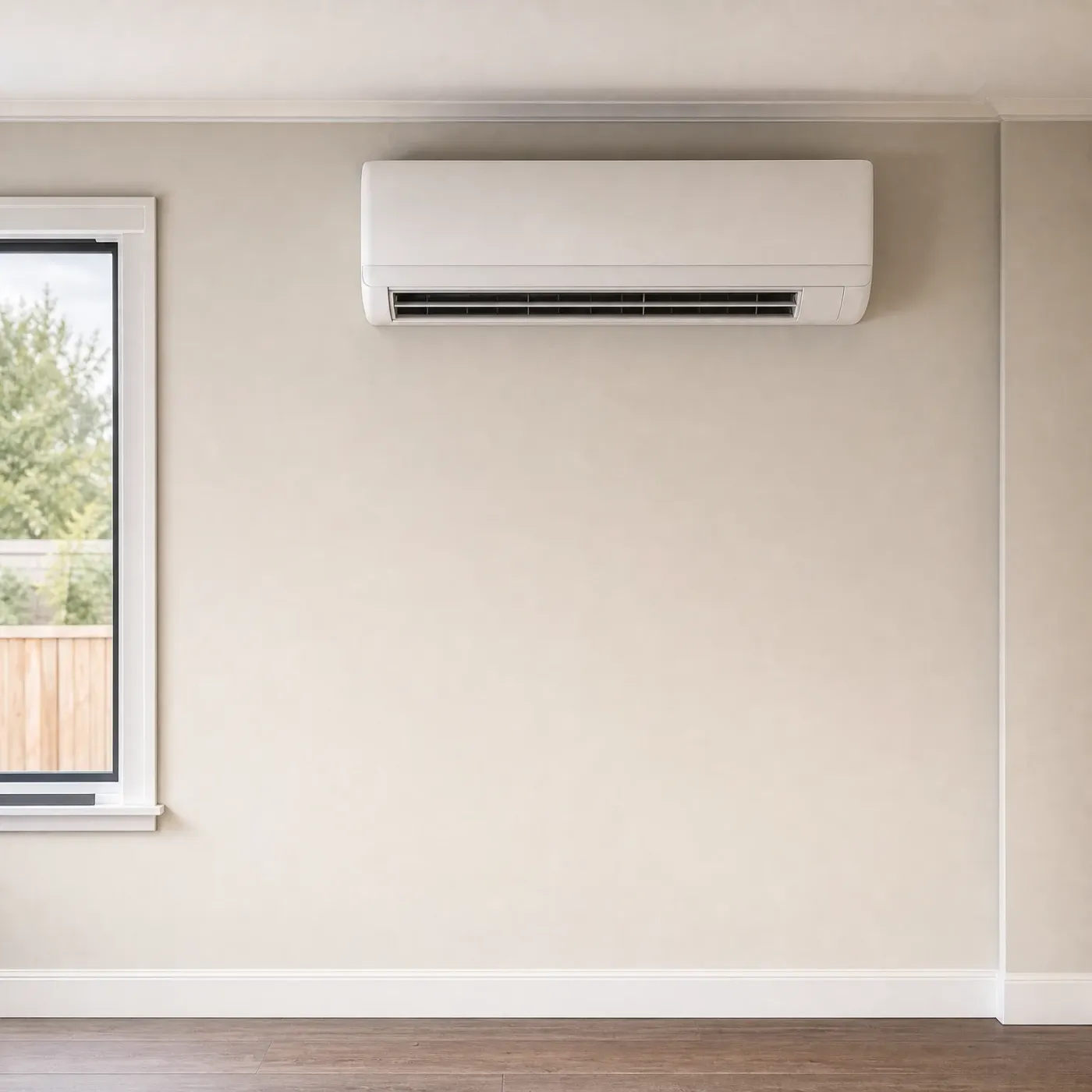
A white wall-mounted mini-split air conditioner on a beige interior wall, with a window at left showing trees and a wooden fence, and dark wood flooring below.

Running as it should

The head on the wall holds steady and quiet, pulling the room down to temperature without the compressor hunting. That's a mini split sized and installed right, moving heat in or out the way it's supposed to, winter and summer both.
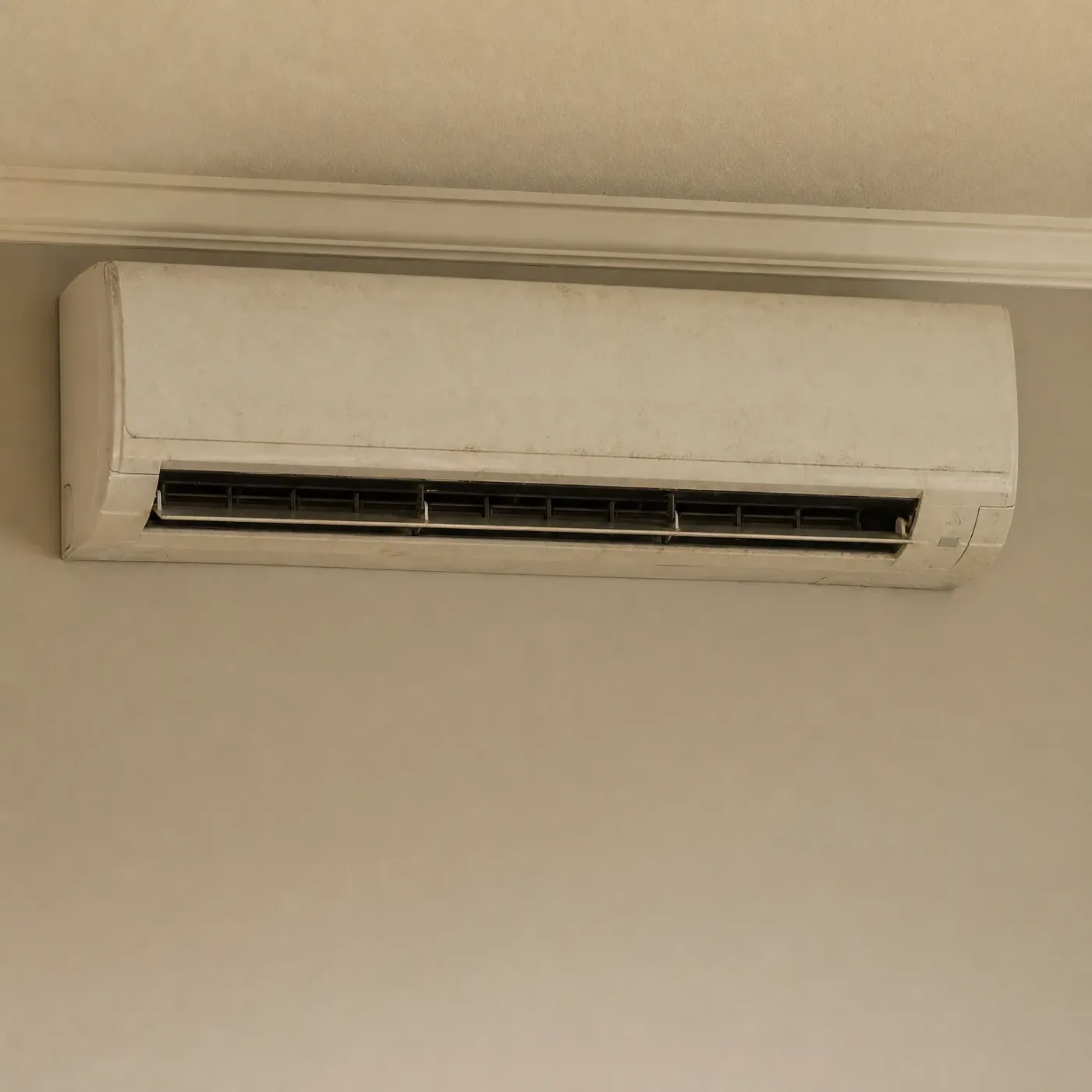

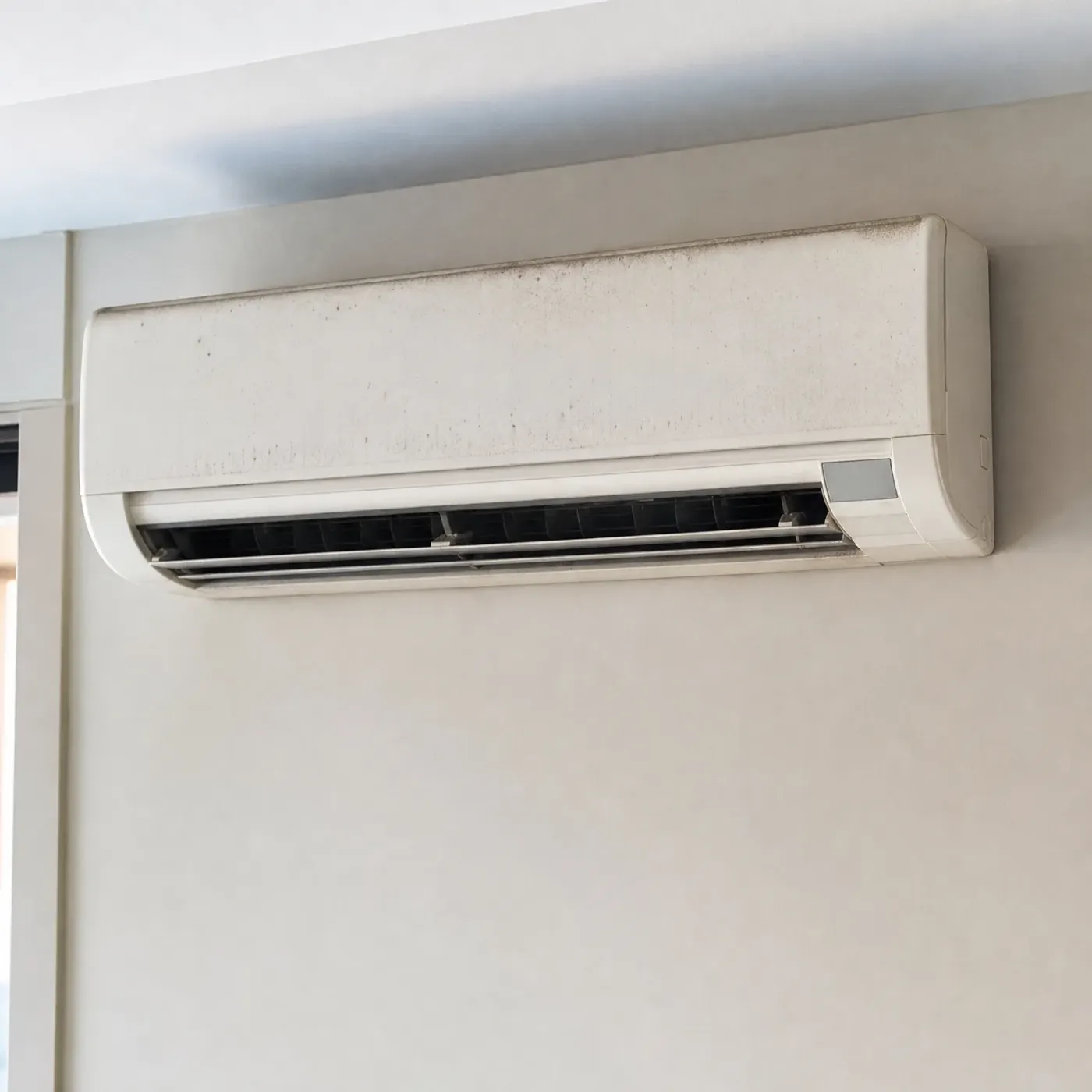
A white wall-mounted mini-split air conditioner indoor unit with dark louvered vents, installed near the ceiling on a beige wall below white crown molding.

Struggling to keep up

Dust built up on the casing, the louvers barely moving air, the room never quite comfortable no matter where you set it. That's often a unit that was undersized for the space or put in by someone who didn't account for an Oklahoma summer.

A closed silver laptop and a ceramic mug of dark coffee sit on a wooden table in front of two chair backs, with a kitchen counter, tiled backsplash, wooden cutting boards, a vase of greenery and a potted plant by a window behind.

What a cold-climate unit changes in your house

Most homes here run on gas, so the mini split is handling one room, maybe two, not the whole house. That's where the cold-climate compressor earns its keep. On a January morning in the 20s, a standard unit starts losing capacity right in that room, and you feel it: the air coming off the head goes lukewarm and the furnace picks up the rest. A cold-climate compressor keeps working down into real cold, so that room stays even instead of drifting back to whatever the furnace alone would give it.

Summer is the other side of it. Oklahoma gets sticky, and a mini split sized and installed right pulls that room down and holds it there without the compressor short-cycling. Power here is cheap enough that running it isn't the worry. The worry is getting it put in by someone who sizes it for the room and the load, not just sold off a spec sheet. Finding that person yourself means calling around, explaining the room and the setup more than once, and sorting through quotes that don't match up. Send the form and that part's off your plate.

Interior corner of a living room with a beige upholstered sofa and dark cushion in the foreground, a ceramic vase of leafy branches on a dark side table by a curtained window, a framed picture on the wall, and a wood-surround fireplace at right.
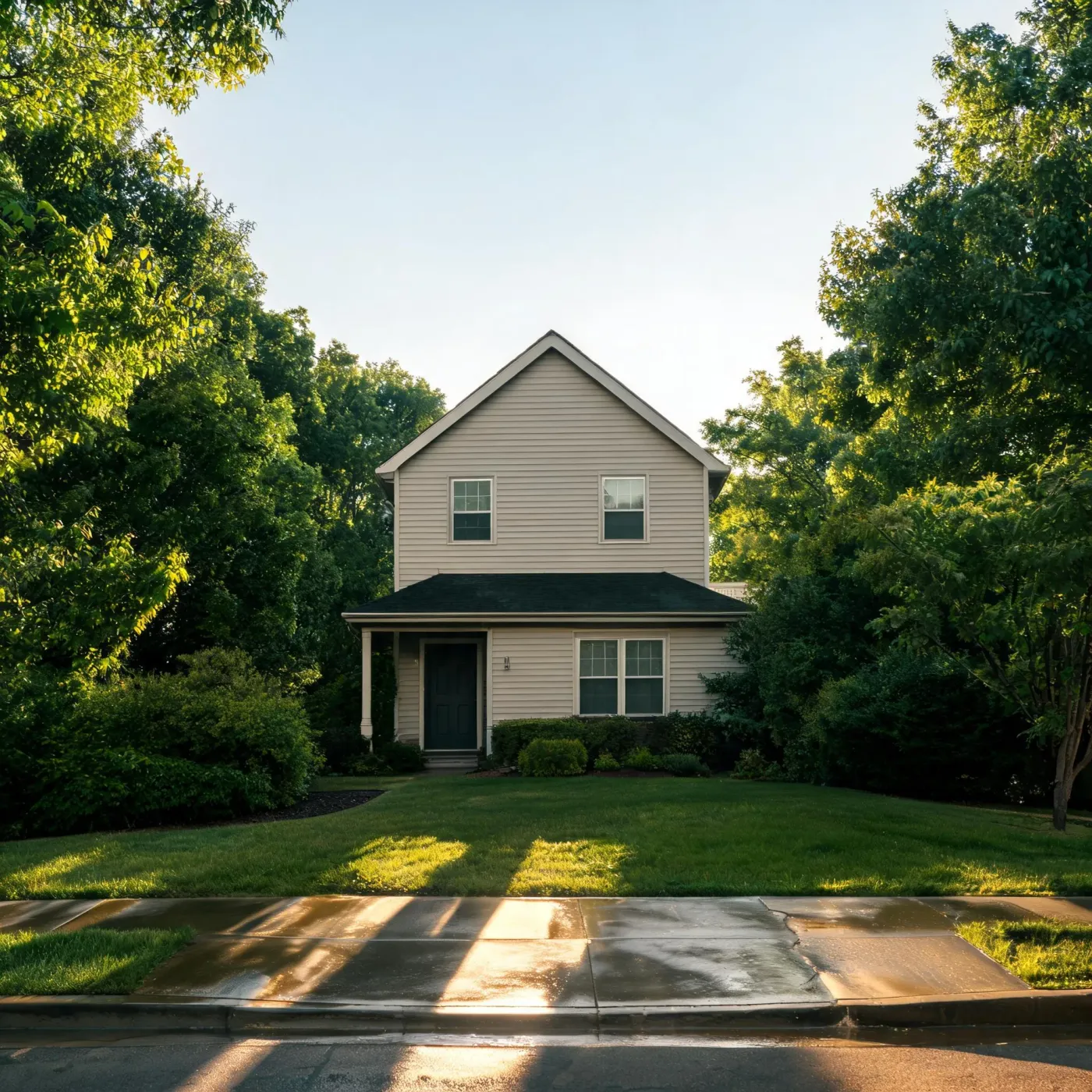
A two-story house with light beige horizontal siding, a gabled roof, a small covered front porch with dark door, and shrubs along the foundation, set behind a mown lawn and wet sidewalk with large leafy trees on both sides.

A summer dew point of 66°F is what makes an Oklahoma evening feel heavy even after the sun drops, and that's the average across June, July and August, according to NOAA climate data for where homes sit in the state. Your mini split has to wring that moisture out of the air before the room feels dry, not just cool. That's extra work on the compressor and the indoor coil on top of knocking the temperature down. If the unit's sized right, you'll feel it as a room that actually feels dry, not just cooler. If it's not, you'll notice a clammy room even with the thermostat satisfied. Once you send the form, you're done hunting for someone who installs these right for this kind of air.

NASA POWER T2MDEW county cells weighted by homes

It's off your list after this

Skip the round of in-home estimates for a new mini split.

No fee to send it, and nothing to sign.

How a cold-climate compressor works

  • The compressor runs on a variable-speed drive, so it throttles output instead of just switching on and off.
  • Below freezing, a vapor injection circuit routes extra refrigerant through the compressor to boost its heat capacity.
  • A cold-climate unit defrosts by briefly reversing the cycle, melting coil frost without shutting off the indoor head.
  • The outdoor coil size and fan speed are matched to pull usable heat from air well below 20°F.
  • Oklahoma's gas furnace still kicks in for the coldest mornings, since the mini split is sized for the room it serves, not the whole house.
  • Line set insulation matters more here than people think, since a bare run loses the heat the compressor just worked to extract.

A standard mini split compressor runs at one or two speeds. It kicks on hard, satisfies the thermostat, and shuts off. A cold-climate compressor runs on a variable-speed drive instead, so it spends most of its time ramping up or down rather than cycling on and off. That matters once the outdoor temperature drops, because the colder the air, the less heat there is in it to pull out, and the compressor has to work harder for the same result.

Below freezing, a vapor injection circuit kicks in. It routes extra refrigerant through the compressor partway through the cycle, which boosts the unit's heat capacity right when the outdoor air has the least to give. Frost still builds on the outdoor coil in cold, damp weather, so the unit defrosts itself by briefly reversing the refrigerant cycle, melting that frost off without shutting down the indoor head the way some older units do.

None of this works if the outdoor coil and fan are undersized for the job. A cold-climate system is built with a larger coil and a fan speed matched to pull usable heat from air well below 20°F, which a standard unit isn't designed to do. And the line set connecting the two halves needs real insulation. A bare or poorly wrapped run bleeds off the heat the compressor just spent extra energy extracting, which undercuts the whole point of the vapor injection circuit in the first place.

A white wall-mounted mini-split indoor unit installed high on a gray interior wall, with a window at left and part of a light gray sofa with a dark cushion at lower right.
A mini split like this moves heat quietly in both directions, holding the room steady through a muggy July night or a cold snap in January.
A white wall-mounted mini-split air conditioner indoor unit with visible dust and staining along its lower vent, installed on a plain pale wall.
Dirt and mold on the vents like this choke airflow, and the unit works harder for less cooling or heat either way.

Why does that one room never feel right

You walk into the room with the mini split and something's off. In summer the head is running but the room still feels sticky, not just warm, like the air never got dry. In January it blows but the corners stay cold, and the compressor seems to run nonstop without catching up. Maybe you hear it cycling off and on more than it used to, or the airflow feels weaker than when it was new. If that room sits over a garage or has a wall facing north, the gap is worse. Left alone, a unit straining in both directions tends to run longer for less comfort, and that shows up on the power bill even with Oklahoma's cheap rates.

A woman in a dark gray sweater reclines on a couch with her eyes closed and a knit blanket over her lap, an open book resting face-down in front of her, with a lit table lamp and shelving blurred in the background.
A bearded man in a dark navy sweater over a collared shirt smiles and looks off to the side while seated at a dinner table with a glass of red wine, a lit candle, and a plate of food in the foreground of a dimly lit room.

Power costs 13.21 cents per kilowatt-hour statewide

At 13.21 cents a kilowatt-hour, running that compressor hard on a cold morning or a muggy night doesn't sting the way it might elsewhere. A cold-climate unit can ramp up and hold there without the bill becoming the reason you turn it down.

EIA-861 2025 statewide residential average

A cold-climate mini split is worth it in Oklahoma if it's covering a room your gas furnace can't keep comfortable, or a space you run split from the rest of the house in summer. It won't replace the furnace, and it doesn't need to. What it buys you is a unit that still puts out heat on the coldest mornings instead of falling back on strip heat, and cheap power here means running it hard doesn't show up as a painful number later. Whether the one you have, or the one you're pricing, is sized and installed to actually do that is a separate question from whether the technology is sound. That's the part worth getting checked. If you send in your information, you're done hunting down installers, calling a handful of them, explaining the same room and the same unit over and over, and lining up quotes side by side to figure out who even does this work. That part of it is off your plate once the form goes in.

A house with a dark standing-seam metal roof, stone chimney and stone-and-stucco gable in the foreground, with green wooded plains and distant low mountains under a partly cloudy sky behind.

Stop chasing a mini split pro

Skip the search

Sending the form costs nothing.

You've already got the unit or you're close to buying one. Sizing and installing it right, on the right wall, with the line set run clean, is what decides whether it keeps up on the coldest morning. Send the request and skip the work of finding someone who does it well.