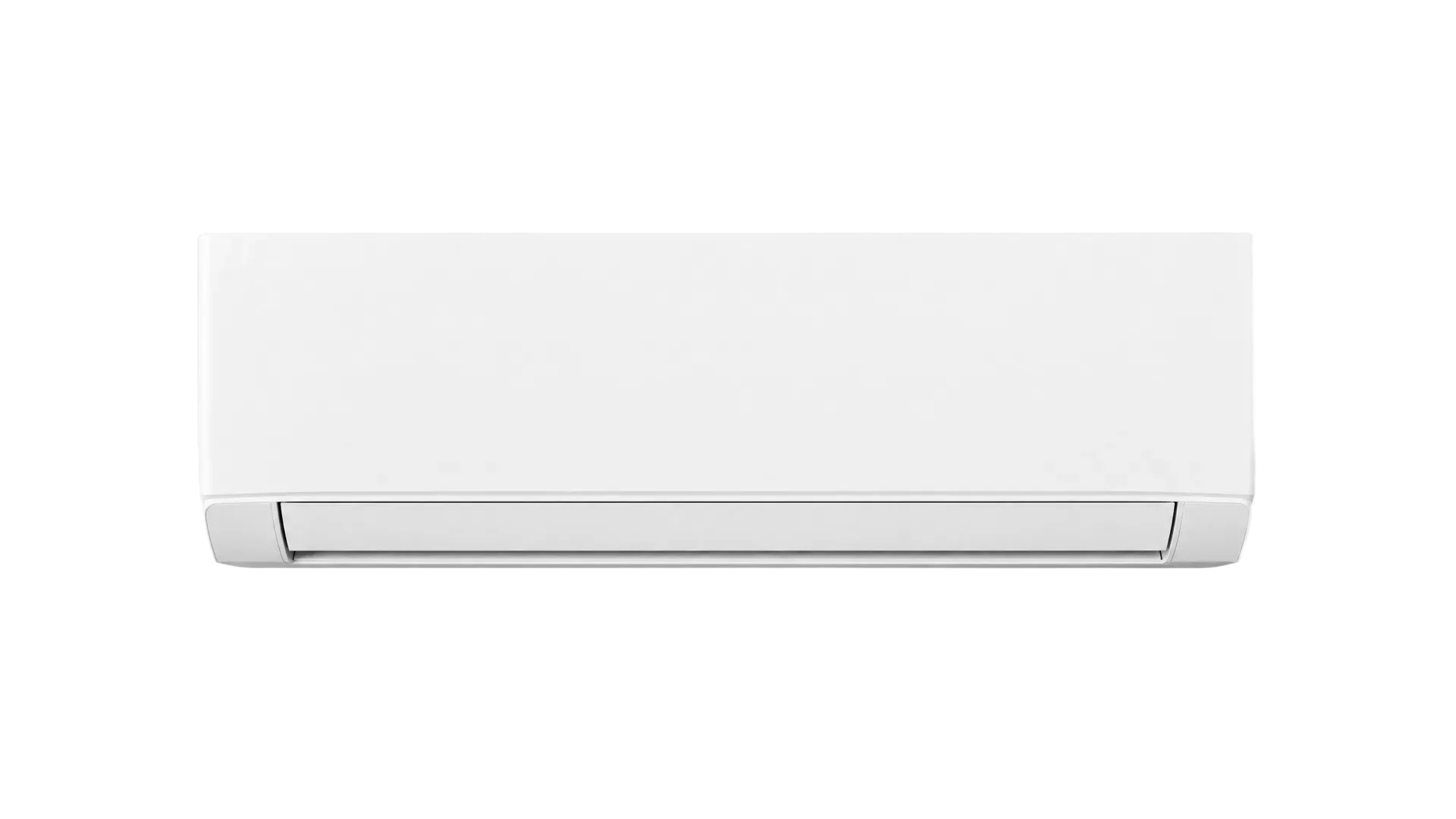
A mini split sized and set up right
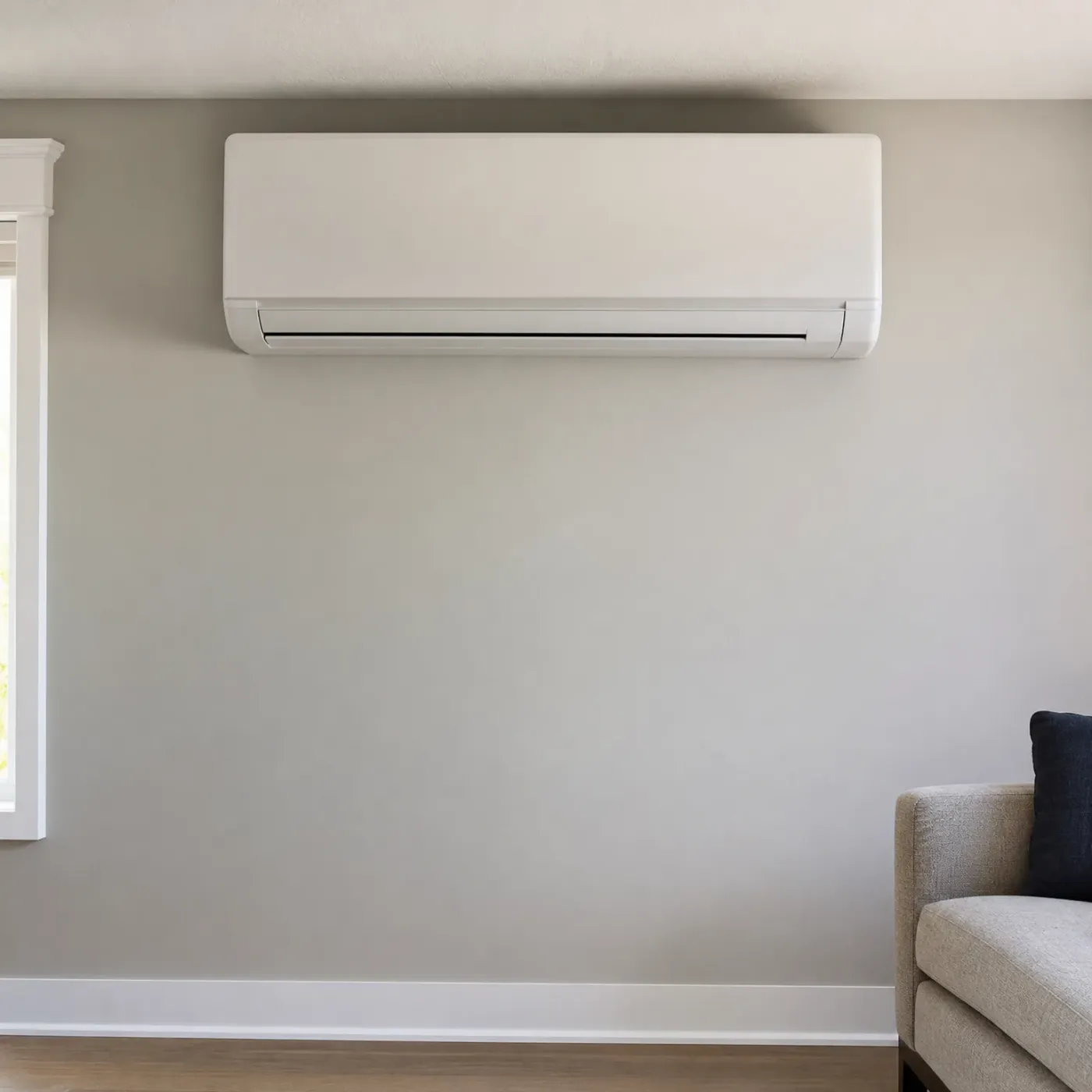
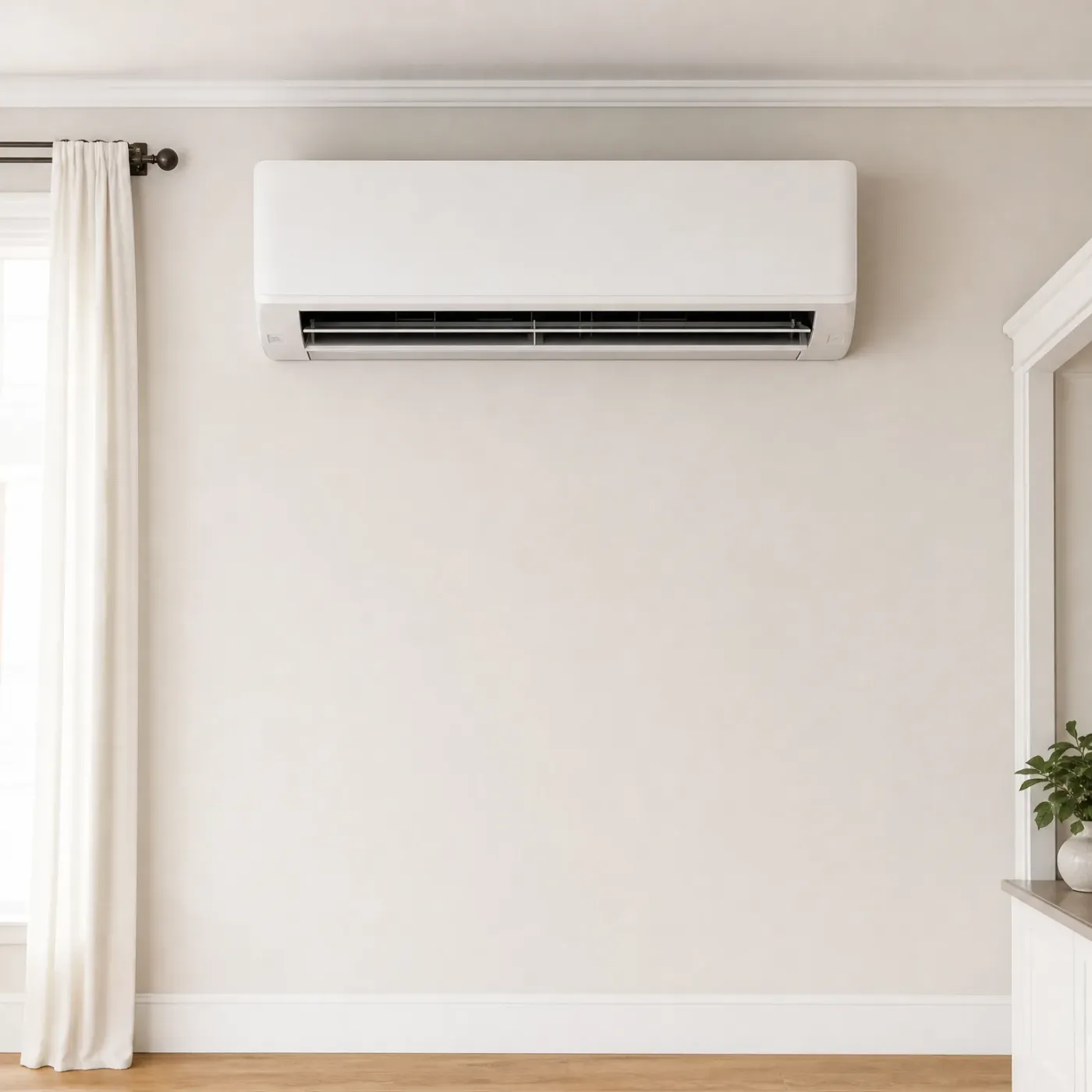
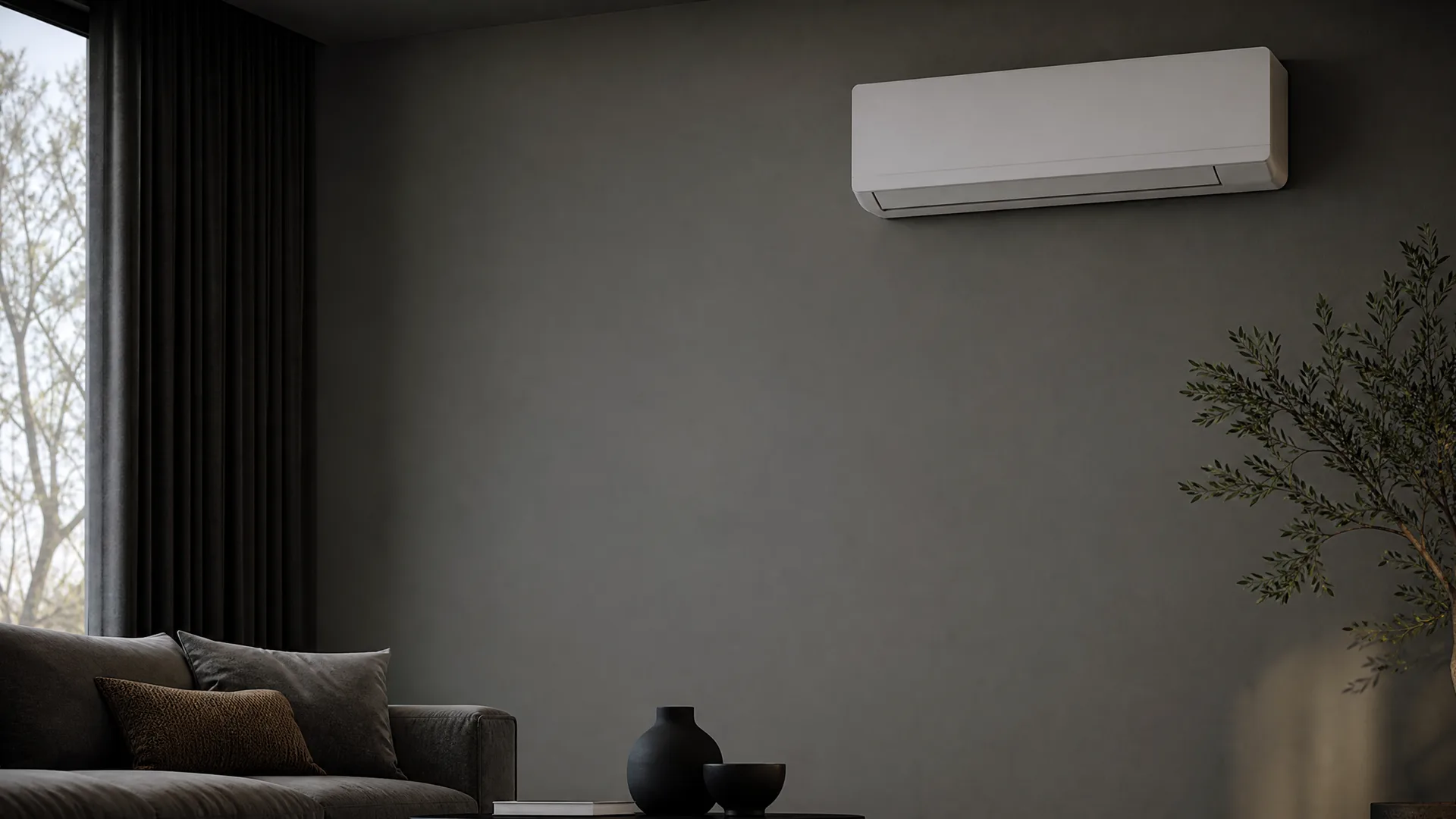
This is what it looks like when the unit is doing its job. It heats the room fast and holds the temperature steady without the baseboard ever kicking on. Your bill reflects that.
You already run a mini split and you're trying to figure out if it's actually saving you money against baseboard heat, or if you should plan differently for next winter. Baseboard heat runs on electric resistance, which pulls a lot of power to make a little heat. You want to know if the mini split is the better bet before the cold months come around again.
A mini split moves heat instead of generating it, so it produces several times more heat per dollar of electricity than baseboard heat ever can. Baseboard heat is electric resistance, the same idea as a toaster, and every watt it draws turns straight into heat with nothing extra to show for it. A mini split pulls heat from the outside air and moves it indoors, so it delivers more warmth than the electricity it uses would otherwise produce. Power is cheap in Oklahoma, which helps either way, but it helps the mini split more because the savings multiply with every kilowatt. Most homes around you heat with gas, so your mini split is already doing something different, and it's doing it for less than the baseboard option would.




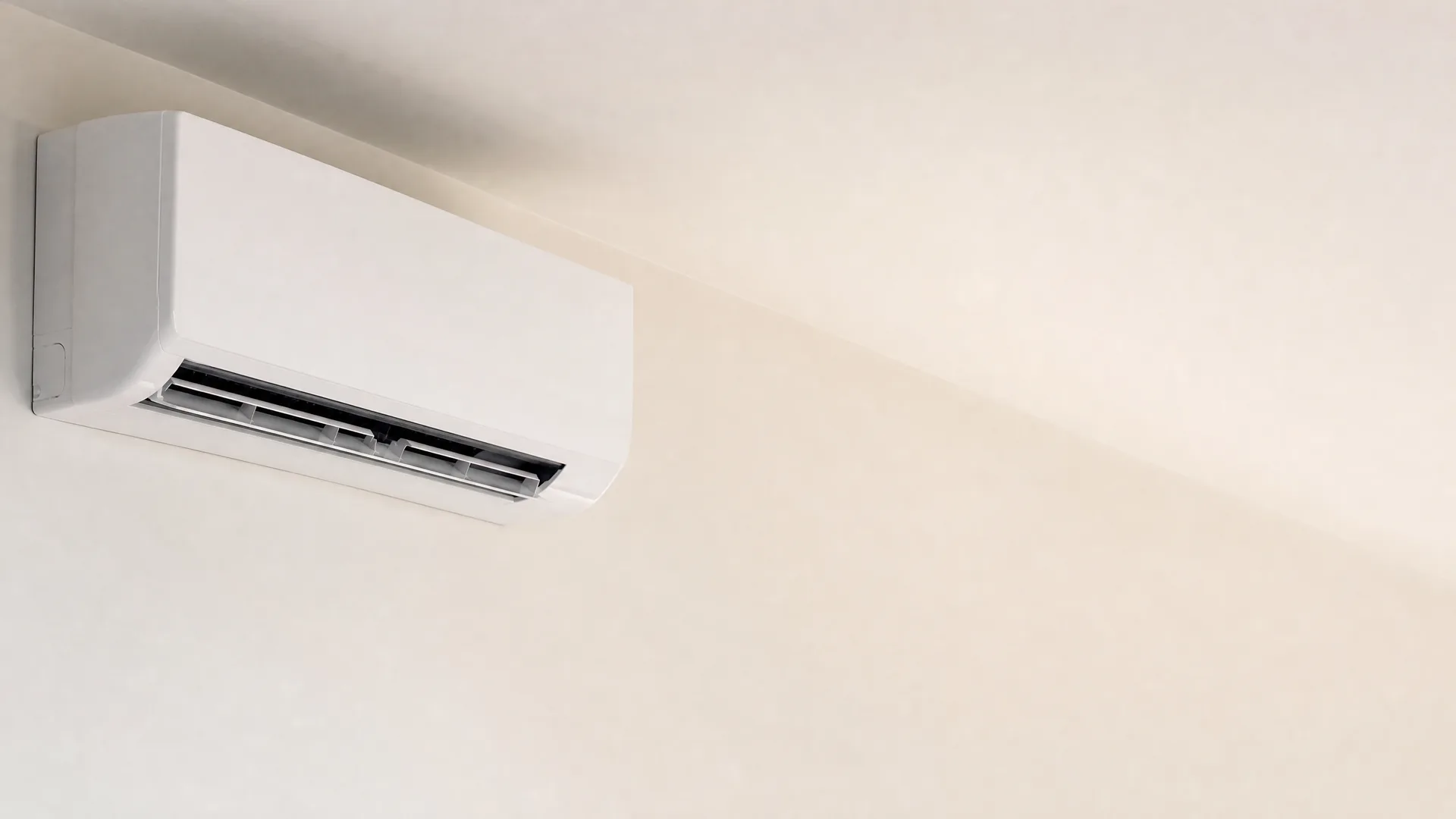
Baseboard heat works by running electricity through a resistive wire, and every watt that goes in comes out as heat. That sounds efficient, but it's not the same as cheap. A mini split moves existing heat from the outside air into your house instead of creating it from scratch, so it delivers several times more heat for the same watt of electricity. That difference is why the running cost split is so wide even with Oklahoma's low power rates.
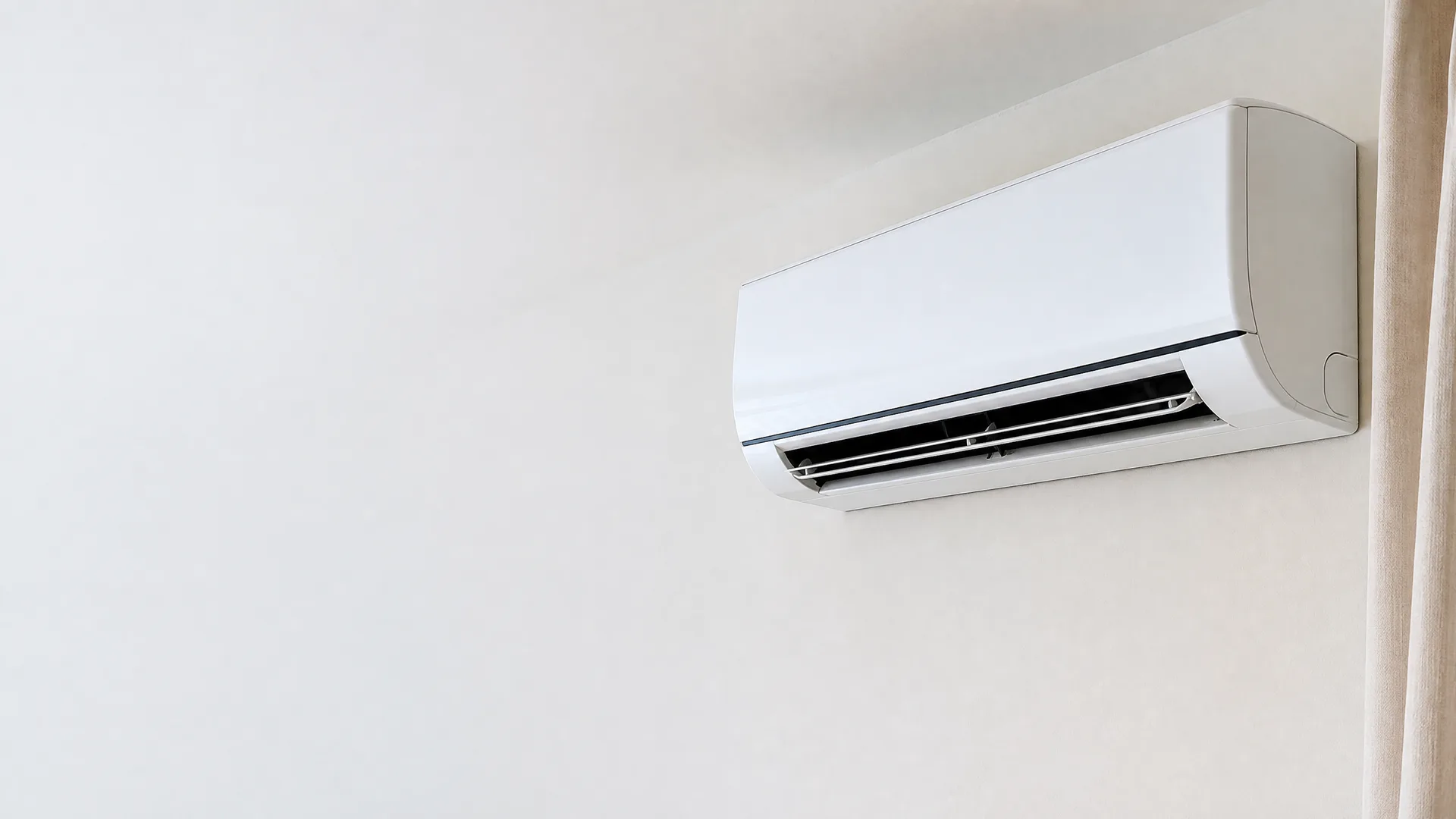
A mini split loses some of its advantage when the outside temperature drops hard, since there's less heat in the outdoor air to move. Baseboard heat doesn't change with the weather at all, it puts out the same output no matter how cold it gets outside. On most Oklahoma winter nights the mini split still comes out ahead, but on the rare single-digit night, the gap narrows some before it widens again as temperatures climb back up.

If baseboard heaters are still wired into a few rooms, those are the rooms pulling the most power on a cold morning. Run the mini split as the main source and keep baseboard as backup for the coldest nights, and you'll see the difference on the meter. Run them both at once, heating the same room, and you're paying twice for one job.
Most houses in Oklahoma heat with gas, so a mini split carrying the whole load on electricity alone is still worth checking against what gas would run you. If the split is undersized for the square footage it's covering, or it's fighting a drafty room the baseboard used to handle fine, that's worth a second look before next winter settles in. A contractor who knows how these systems get sized for Oklahoma homes can tell you whether yours is doing that job right, or whether it's working harder than it should.

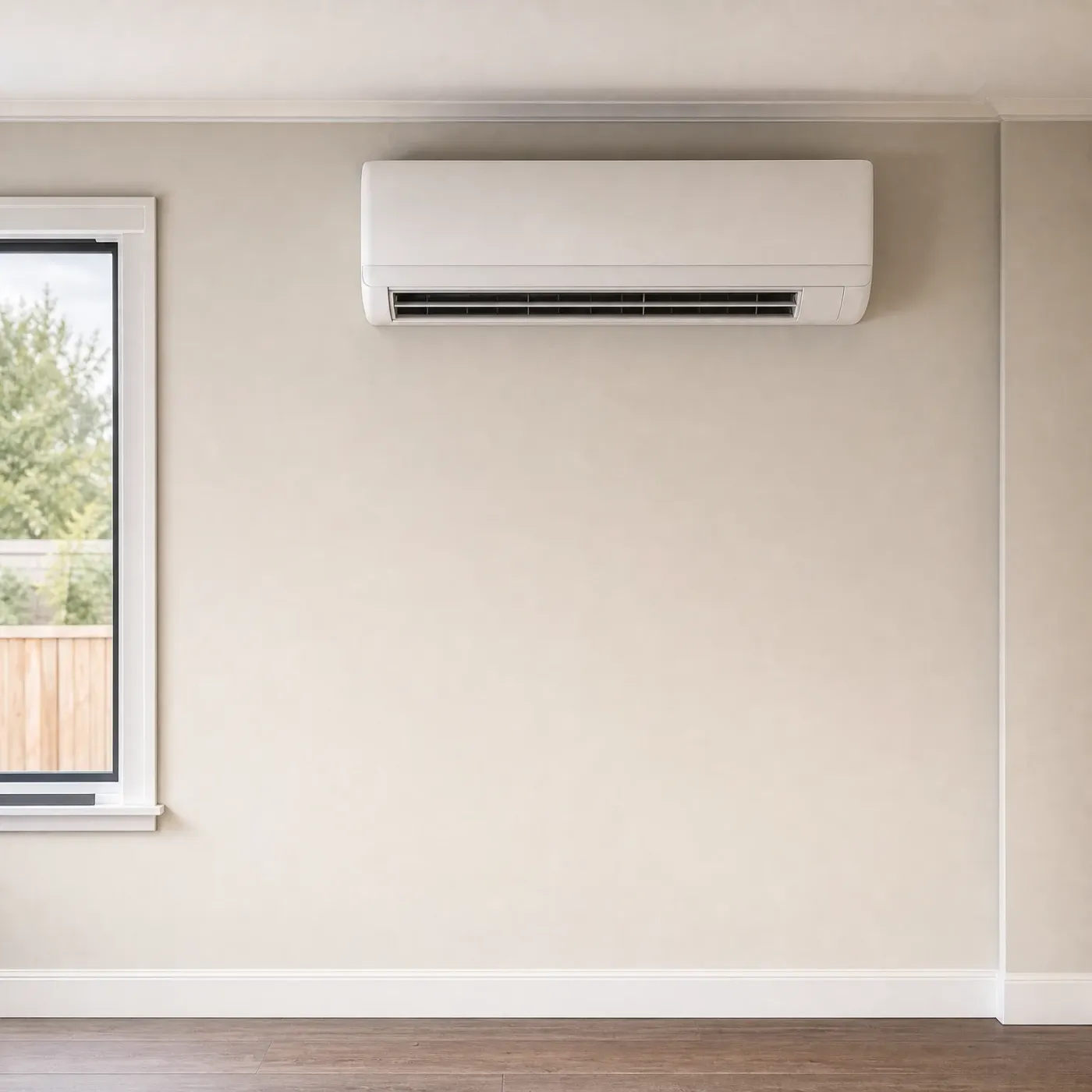
This is what it looks like when the unit is doing its job. It heats the room fast and holds the temperature steady without the baseboard ever kicking on. Your bill reflects that.
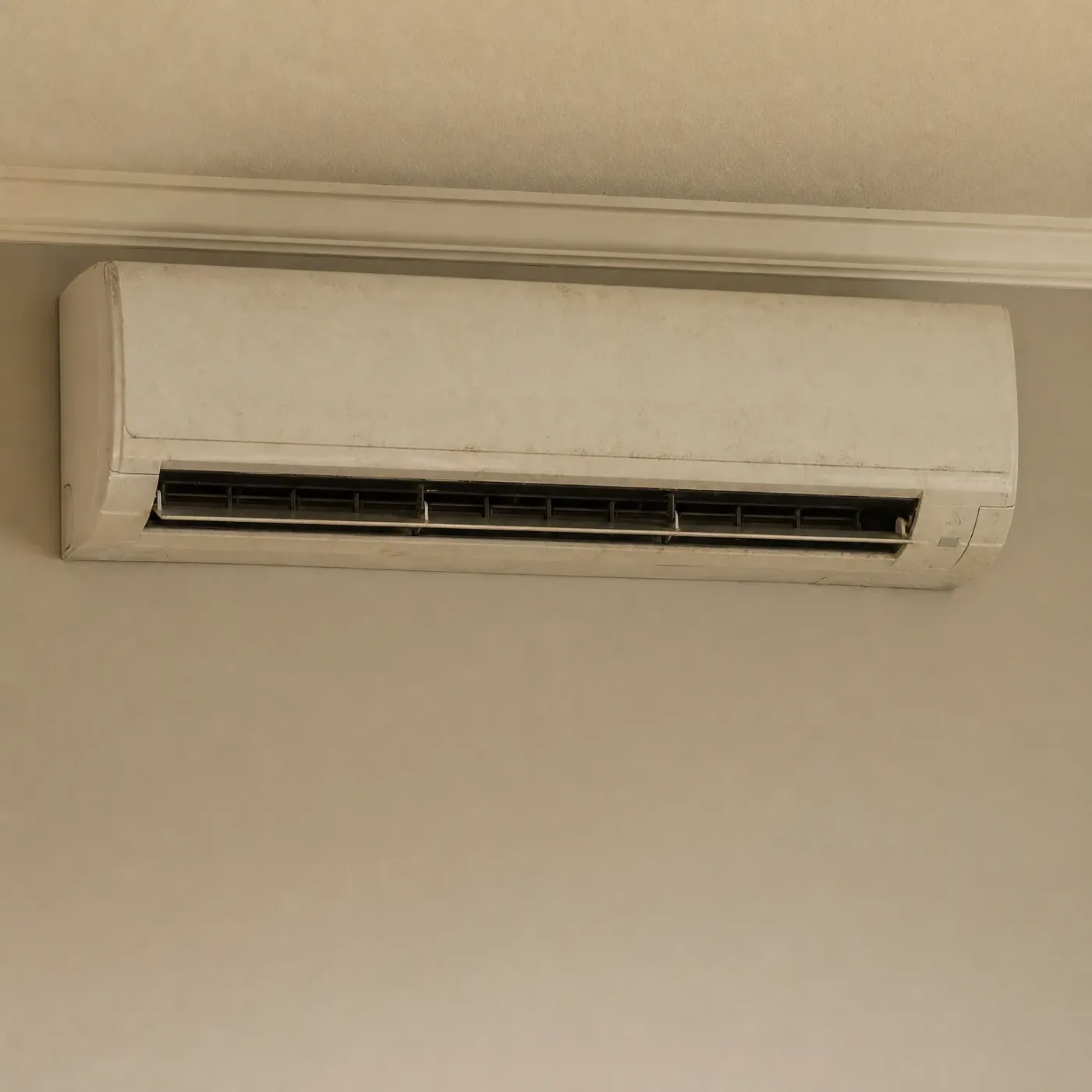
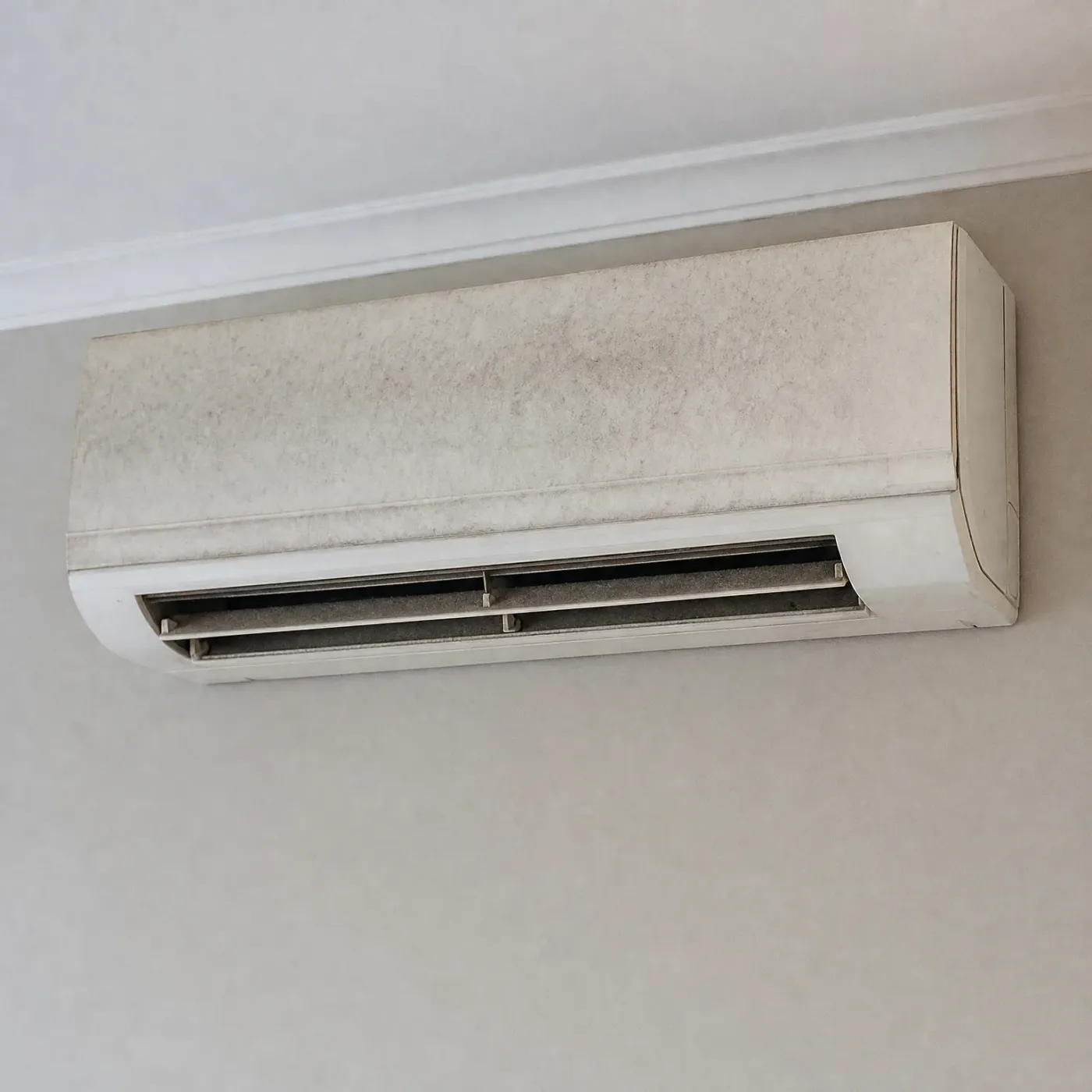
Dust on the coil and a casing that's seen better days mean the unit is working harder for less heat. When it can't keep up, the baseboard picks up the slack, and that's resistance heat pulling the load it was never supposed to carry.
At 13.21 cents a kilowatt-hour, every unit of heat your mini split moves instead of generates costs you less than it would most other places. That gap between moving heat and making it is where the savings against baseboard show up on your bill each month.
EIA-861 2025 statewide residential average
A mini split costs more to install than a set of baseboard heaters, and that gap doesn't close on the first bill you get.
It closes anyway, month after month, because moving heat costs less than making it, and a season of that difference adds up to more than the install ever cost.
Once you send the form, finding a pro is off your list.
No charge to send it. You decide if you hire them.
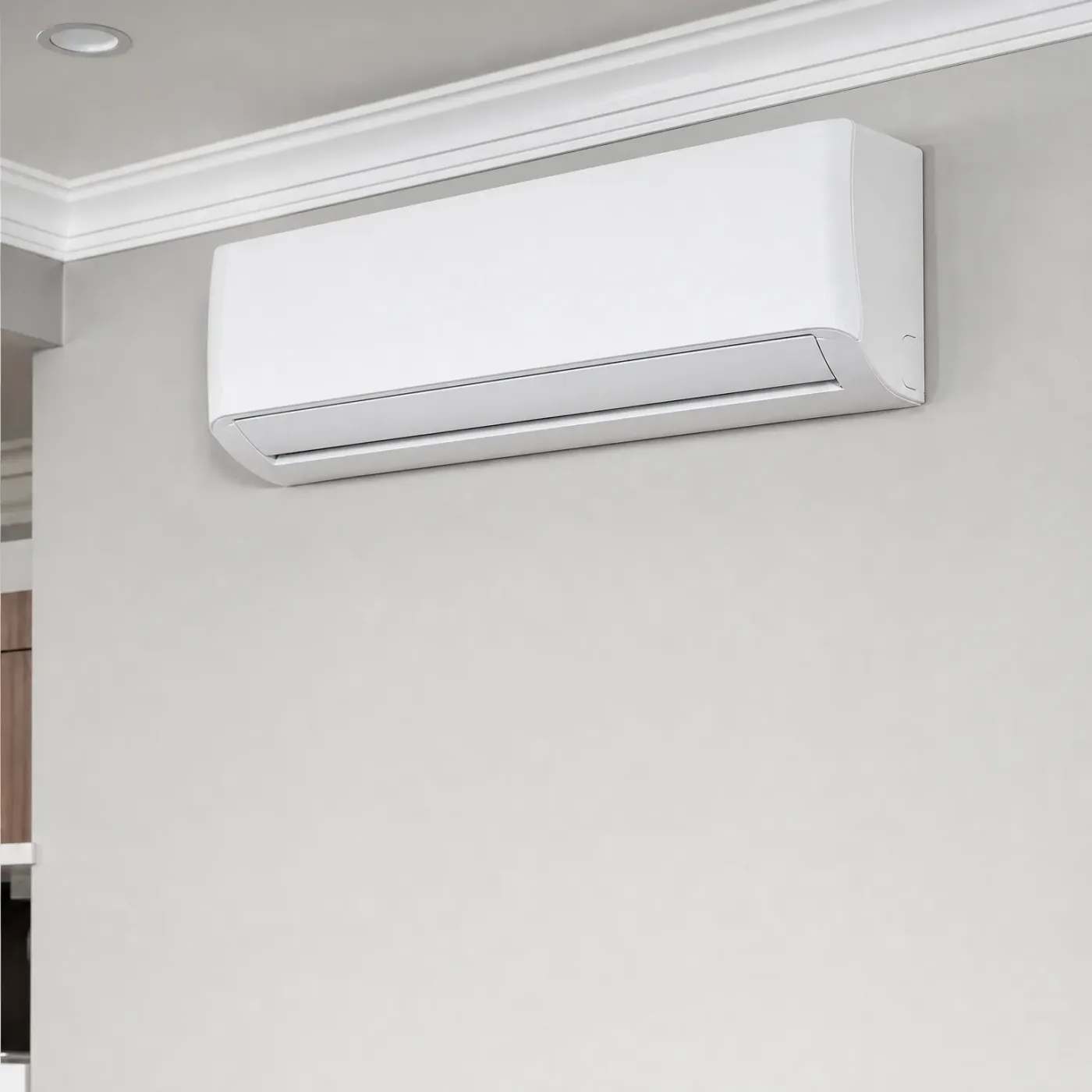
This is a mini split that's earning its keep. The casing is clean, the vents are open and moving air, and it's doing the job of heating the room without the baseboard ever switching on. That's the condition that keeps your bill low all winter.
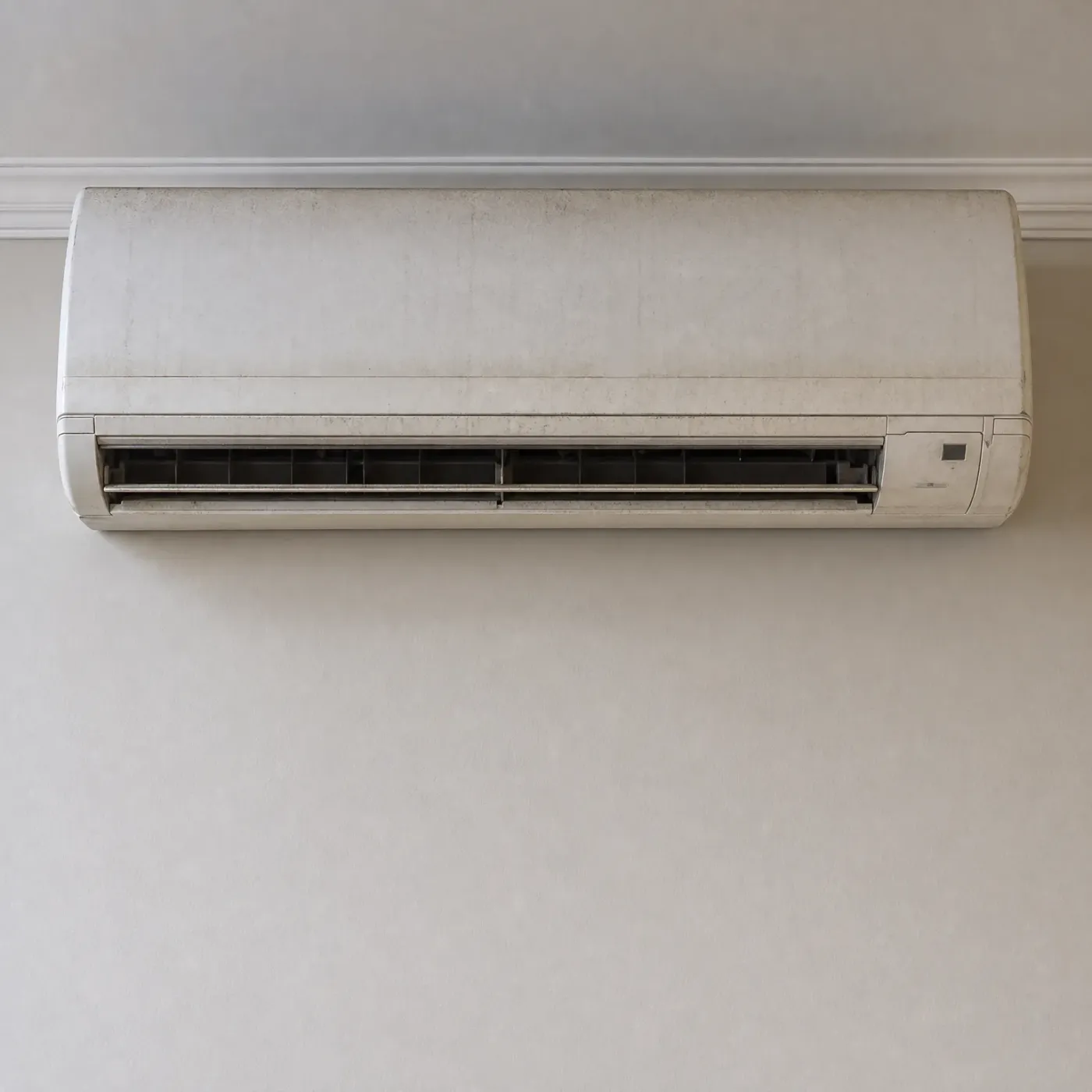
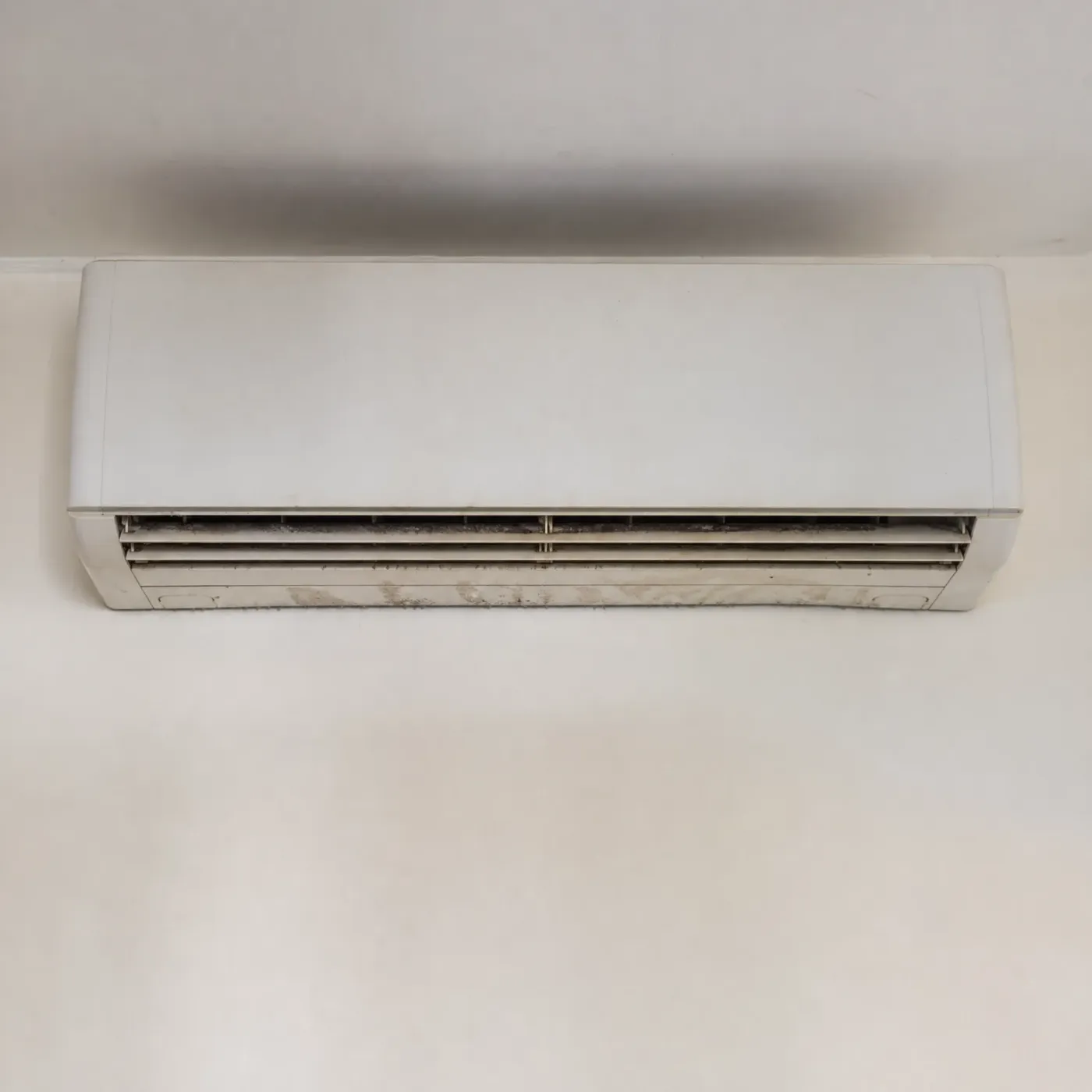
Dust built up like this on the casing usually means the filter behind it is just as dirty, and a dirty filter makes the unit work harder to move the same amount of heat. When it loses ground, the baseboard picks up the slack, and that's the expensive heat.
You walk into the room with the baseboard heater and notice it's working harder than the rest of the house, maybe the air feels dry near it, or the wall above it has a faint discoloration from years of heat rising off the element. Meanwhile the room with the mini split holds steady without much sound at all, just a low hum when it cycles on. If you're checking the thermostat in the baseboard room more often, or bumping it up past what the other rooms need, that room is likely pulling more power than you'd guess. Left alone, that imbalance just keeps showing up on the bill every month it stays cold outside.
The outdoor unit is doing the real work. Its compressor pulls heat out of the outside air, even cold air still carries some, and pumps it inside through refrigerant lines. That refrigerant shifts from liquid to gas and back as it travels, and that shift is what lets it carry heat using less electricity than it would take to generate that same heat from a wire. Inside, the blower pushes that warm air across the whole room instead of letting it pool near the unit. The compressor itself runs at variable speed, so it ramps up on a cold morning and eases off once the room's caught up, matching the heat loss instead of just switching on and off. The thermostat is reading the room constantly and adjusting compressor speed to match, which is why the temperature holds steady instead of drifting a few degrees and snapping back. Baseboard heat can't do any of that. It has a thermostat and a relay, nothing more, so it's either sending full power to the wire or sending none.


Summer dew points here average 66°F across June, July and August, a figure from NOAA climate data. That's heavy, sticky air, and it means your mini split isn't just lowering the temperature, it's pulling a lot of moisture out of the air to keep the room comfortable. That extra work is handled by the same coil and blower doing the cooling, so a unit that's clean and sized right keeps up with it without running longer than it should. If the air inside still feels damp even when the room reads cool, that's a sign the system is struggling against the moisture, not just the heat.
NASA POWER T2MDEW county cells weighted by homes
A mini split costs less to run than baseboard heat in Oklahoma, month after month, because moving heat takes less power than making it. That holds through the winter and pays again in summer when it pulls the sticky air dry while it cools. If baseboard is still doing real work in a room or two, or the unit you have isn't holding its temperature the way it should, that's worth a second look before next winter settles in. A contractor who installs and sets these up for Oklahoma homes can tell you whether yours is sized and running the way it needs to, or whether something's off. Send the form and that search is off your plate. You won't need to track down who's good or who's busy. Someone who knows this equipment gets your details and reaches out, and from there it's a conversation about your house, not a project you have to manage alone.
After you send the request, you're done searching.