Running clean
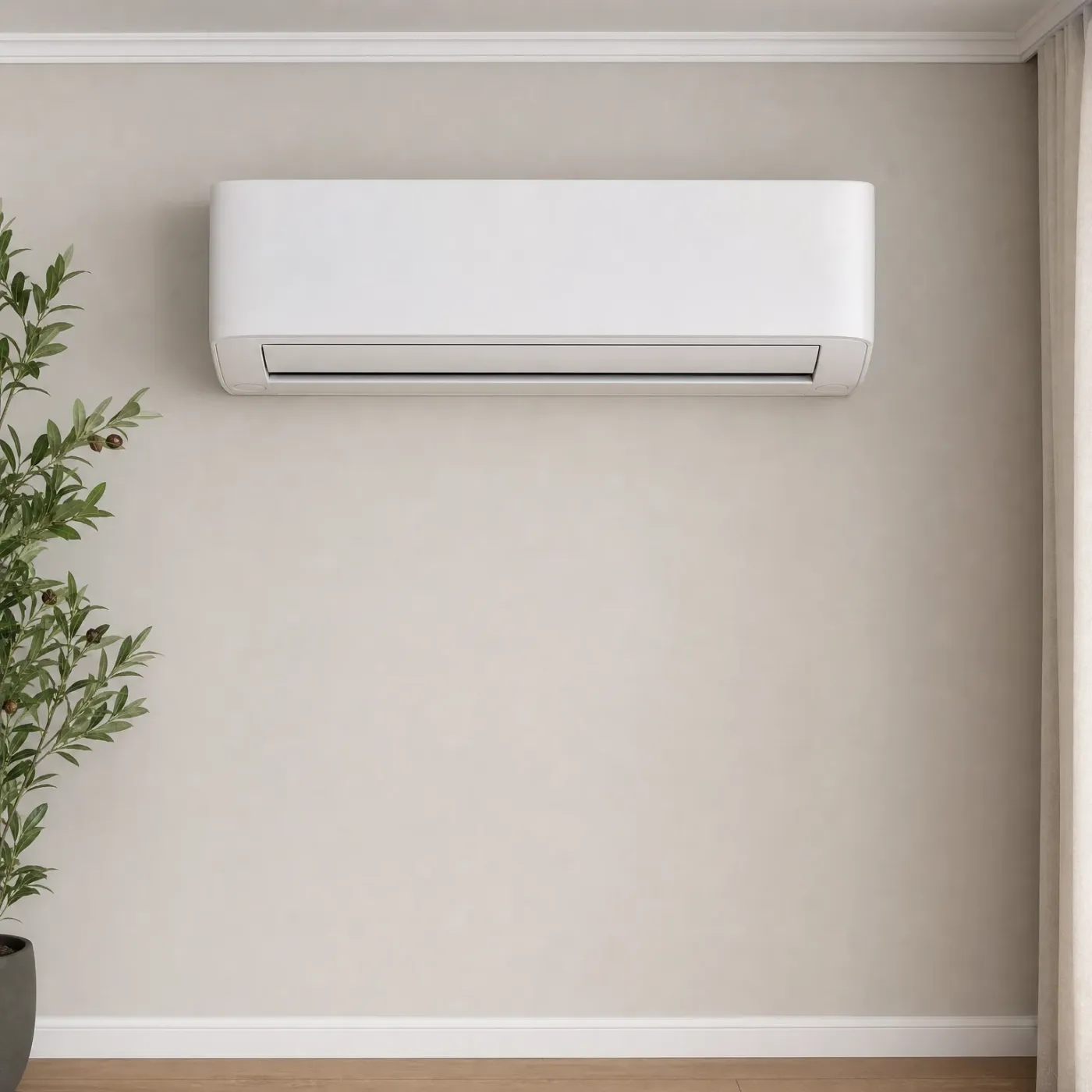
This is what a mini split looks like when the coil can shed heat the way it's supposed to. Air moves through the filter and across the coil without a fight, so the coil stays cold but never ices over.

A frozen mini split is almost always a sign that warm refrigerant isn't moving through the coil the way it should. The coil gets cold enough to pull moisture out of the air, and once airflow or refrigerant charge is off, that moisture turns to ice instead of draining away. In Tulsa, this shows up most on the hottest, muggiest days, when the system is running hardest and has the least room for error. A dirty filter, a blower that's lost strength, or a refrigerant leak can all be the cause, and running the unit through it only builds more ice on the coil and the line set. Turn the system off and let it thaw fully before anyone works on it. Running it while frozen won't cool your home and can strain the compressor. The fix depends on what's actually blocking airflow or leaking refrigerant, and that's a job for someone who can check the coil, the charge, and the drain line directly.
Cooling runs May through September
Cooling runs May through September. That's five months of your mini split working against Tulsa humidity, five months where a dirty filter or low charge can turn into ice.
Heat runs October through April
Heat runs October through April. Seven months of heating puts real hours on the same unit, and a system that freezes in summer can struggle in winter too.
Power here costs 13.96 cents per kilowatt-hour
Power here costs 13.96 cents per kilowatt-hour. A mini split icing up and running longer to cool the house costs you more every month it goes unfixed.
NOAA nClimDiv 1991-2020 · EIA-861 2025
Refrigerant moving through the indoor coil is supposed to stay above freezing, even on the hottest day. It pulls heat out of the air passing over it, and that's what cools your room. The coil itself runs cold, but not cold enough to freeze anything, as long as two things hold true: air keeps moving across it, and the refrigerant charge is where it should be.
A dirty filter or a blocked return changes the first part. Less air moves across the coil, so the refrigerant pulls heat away faster than the airflow can replace it. The coil's surface temperature drops. Once a section of it goes below 32 degrees, the moisture that would normally condense and drip away freezes onto the coil instead.
A low charge changes the second part. Less refrigerant means lower pressure in the coil, and lower pressure means a colder coil, even with the fan working fine and air moving the way it should.
Either way, once ice starts forming, it makes its own problem worse. Ice on the coil blocks airflow the same way a dirty filter does, so more of the coil drops below freezing and the ice spreads. Meanwhile the outdoor unit keeps running the whole time, compressor and fan both turning, because nothing has told it to stop. From across the room it looks like the system is working. It isn't moving any real cooling into the house.




Send the request today and let a mini split pro reach out to you.
Get matched with a pro who fixes mini splits in Tulsa County.
There's no charge for the request.
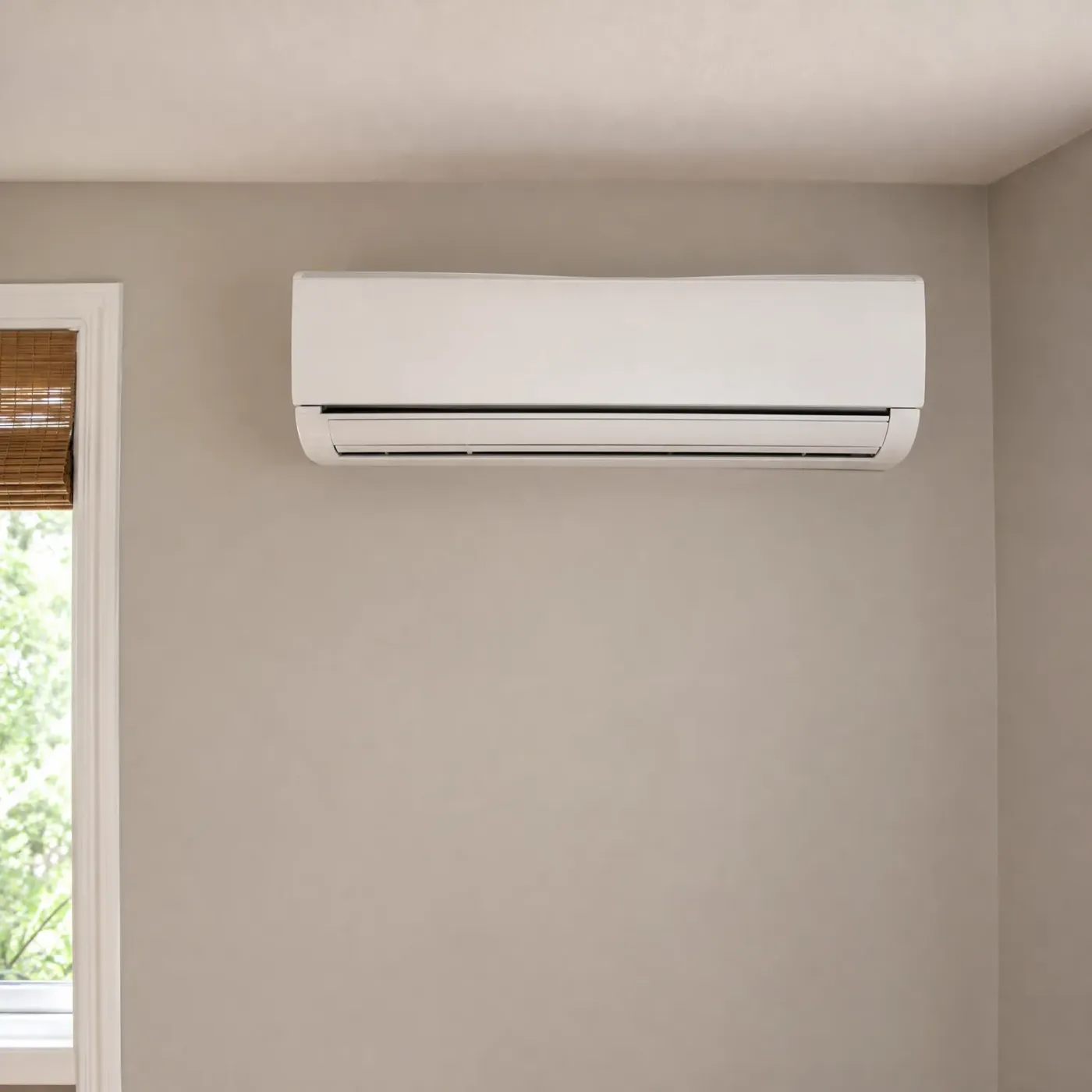
This is what a mini split looks like when the coil can shed heat the way it's supposed to. Air moves through the filter and across the coil without a fight, so the coil stays cold but never ices over.
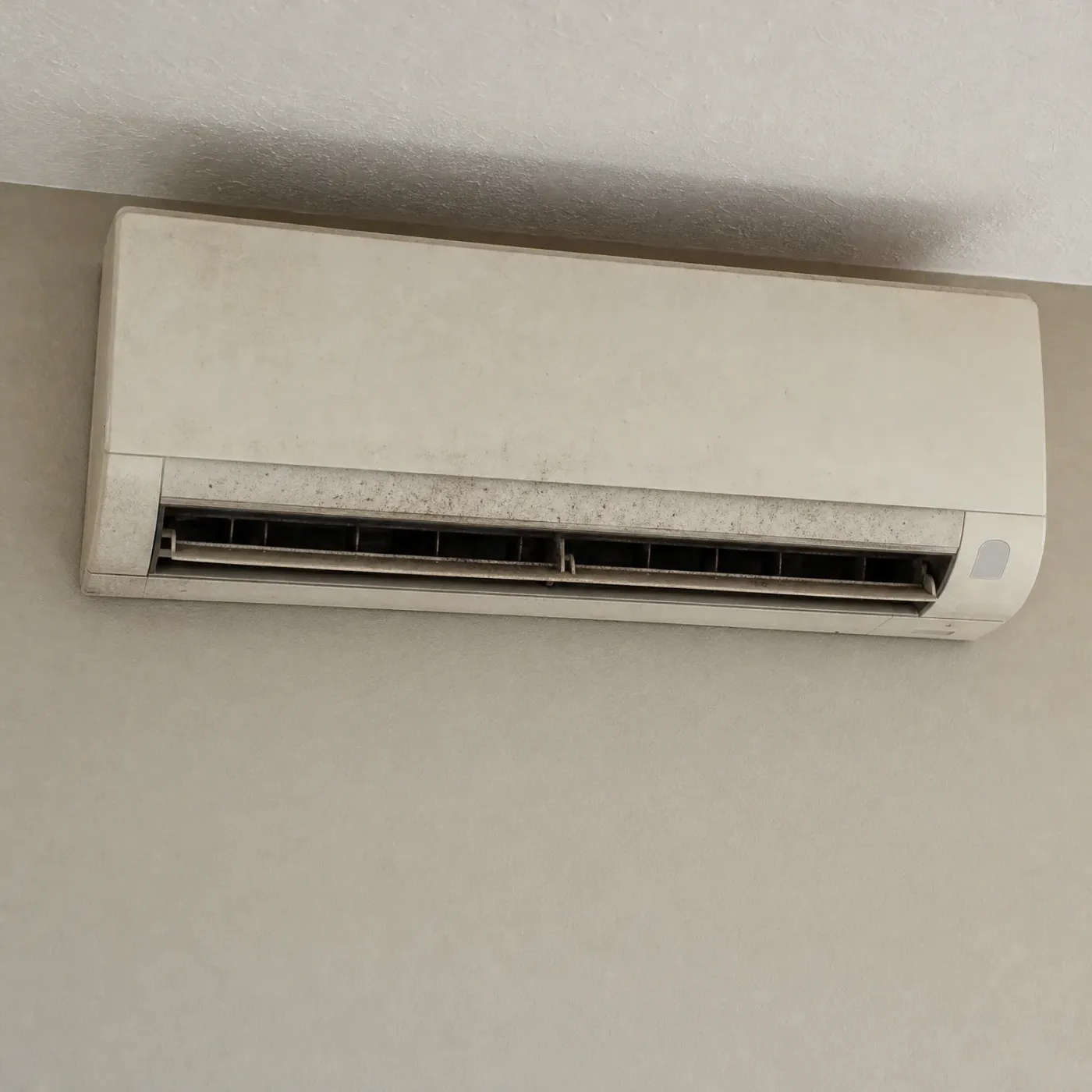
Dust and grime on the front panel and louvers usually mean the filter behind it is just as bad. Once the filter chokes down airflow, the coil underneath can drop below freezing and start icing.
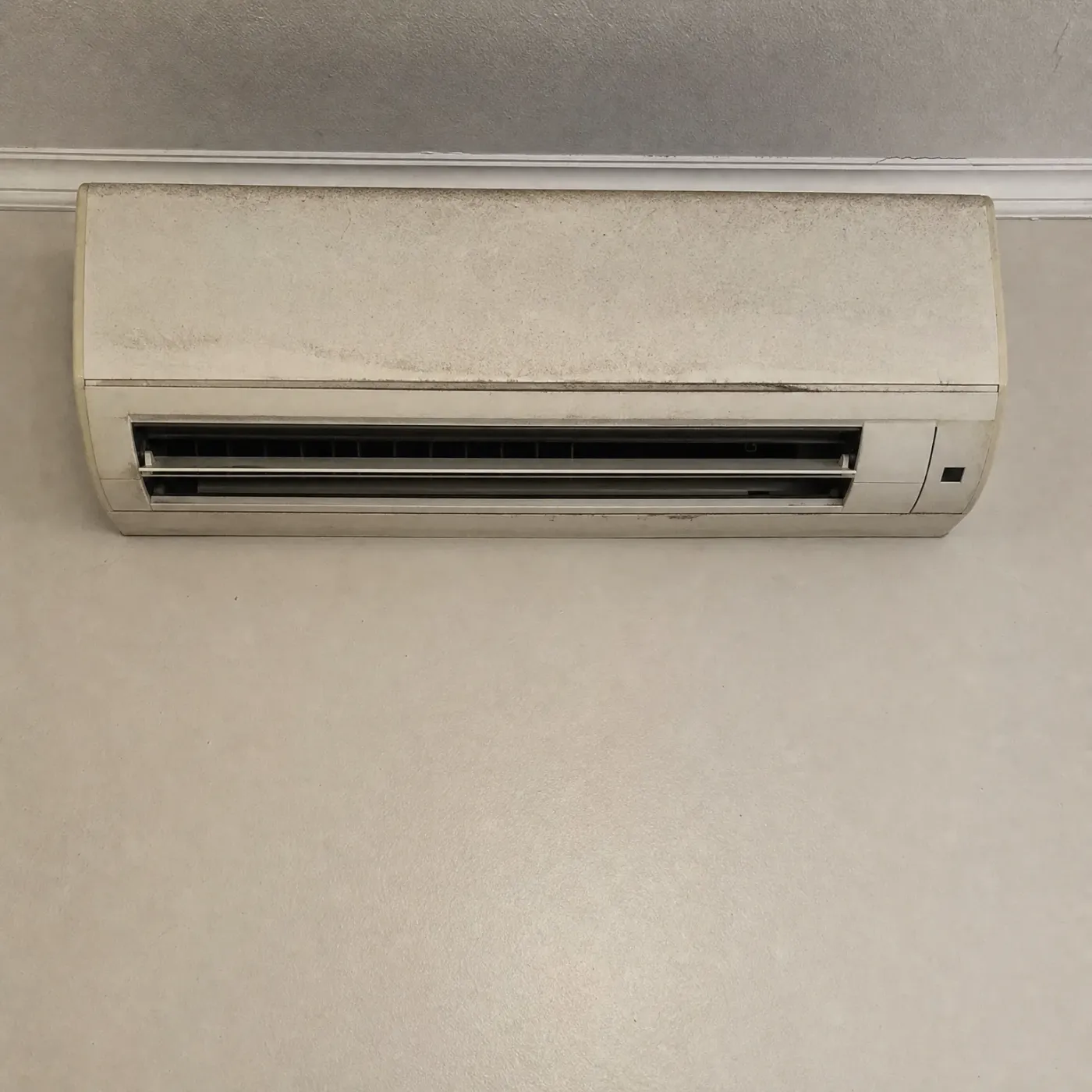
You've noticed it isn't random. The ice shows up in the same corner or along the same edge of the coil every time, not spread evenly across the whole face. That pattern is telling you something specific about where airflow or refrigerant is falling short, and it's worth knowing before you call anyone out.
A coil doesn't ice evenly because airflow and refrigerant flow aren't even across it. If one section of the filter is more packed with dust, or the blower pulls harder through one part of the coil than another, that section loses heat faster and ices first. The same thing happens if refrigerant charge is low. Low charge means less refrigerant reaches the far end of the coil, so that end runs colder and freezes while the rest stays clear. Either way, the same corner freezing twice points to a fixed cause, not bad luck. A tech can confirm which one it is with a gauge set on the line and a look at the coil face once it's thawed.
Warm air stops moving evenly across the indoor coil
Refrigerant inside the coil runs colder than the air around it
Moisture in the air lands on the coil and freezes there
Ice spreads and blocks what little airflow is left



A frozen mini split isn't a mystery once you know what to check. The coil ices over because warm refrigerant can't move through it the way it should, usually from a dirty filter, a blocked return, or a charge that's run low. Shutting the unit off and letting the ice melt tells you whether it comes back, and where on the coil it forms tells you what's wrong. Those are things you can see for yourself.
Figuring out which one it is, and fixing it, is a different job. A contractor who works on mini splits in Tulsa can look at the coil, check the charge, and find the actual blockage instead of guessing at it. Once you request a match, that search is off your plate. Someone who knows this equipment reaches out to you, and you go from standing in front of a frozen unit to having a person on the way.






Get the mini split repair search off your mind today.
You only hire the pro if you want to.