Ductless Oklahoma

Mini split making noise in Yukon, OK

Step 1 of 3: Equipment

A mini split that clicks, hisses, buzzes or rattles is usually telling you something specific. Clicking when it starts or shuts off is normal, that's the relay switching. A hissing sound during operation is often refrigerant moving through the lines, but a continuous hiss can mean a leak. Buzzing points to a loose part vibrating against the cabinet, or in some cases an electrical issue at the disconnect box outside. A rattle from the outdoor unit can mean a leaf or stick caught in the fan, or a fan blade that's come loose. Grinding or screeching from the indoor head usually means the blower wheel or its bearing is failing. With summers here running long and muggy, your mini split works hard for months at a stretch, and a new noise after a hot run is often just wear catching up with it. A noise that's new, loud, or paired with weak airflow or warm air is worth having looked at before it turns into a bigger repair.

A dim room with a white wall-mounted mini-split air conditioner above a wall with a vertical line mark, a wooden built-in shelving unit with books and a potted plant at left, and a desk with monitor, keyboard and mesh office chair by a window at right.

You're at your desk on a July afternoon, the mini split humming over your shoulder, when you notice the paper by your monitor has gone soft at one edge. You look up and see it: a wet streak running down the wall under the indoor unit, already reaching the baseboard. You grab a towel from the hall bathroom and press it against the drywall, then stand back and listen. The unit is still blowing cold air, still running like nothing's wrong, but the wall under it is telling you otherwise. Outside, Canadian County is deep into another sticky summer, and this is the room you work in every day.

Why does your mini split work this hard in Yukon?

  • Cooling runs May through September

    Cooling runs May through September here, five straight months of the compressor and fan motor working through the heat without a break.

  • Heat runs October through April

    Heat runs October through April, seven months, so the same unit that cools your house all summer is carrying you through winter too.

  • Power here costs 12.76 cents per kilowatt-hour

    Power here runs 12.76 cents per kilowatt-hour, cheap enough that a noisy motor or failing capacitor rarely shows up as a spike on the bill.

NOAA nClimDiv 1991-2020 · EIA-861 2025

A noise you can wait on

A rattle that only shows up when the wind blows hard, or a faint click a few seconds after the unit shuts off, isn't urgent. Loose panel screws or a fan blade ticking against a leaf that blew into the outdoor unit won't strand you without heat in January or without cooling in July. You can watch it for a week, see if it changes, and still call before it turns into anything worse. Canadian County winters get cold enough that you don't want a system down in the middle of one, but a minor rattle doesn't mean that's where this is headed.

A noise that won't wait

A grinding sound, a loud buzz that wasn't there before, or banging that starts the moment the compressor kicks on is different. Those point to something moving that shouldn't be, a motor bearing, a fan blade out of balance, or a compressor under strain, and running the unit while that continues can turn a repair into a replacement. If the noise showed up suddenly and it's getting louder or more frequent, that's not one to sit on, especially heading into a Yukon summer that runs May through September with the compressor working the whole stretch.

Cooling runs May through September

Five months of steady cooling means your mini split's compressor and fan motor rack up a lot of running hours before fall gives them a break. A new rattle or buzz in June is only going to run longer and get louder by September.

NOAA nClimDiv 1991-2020

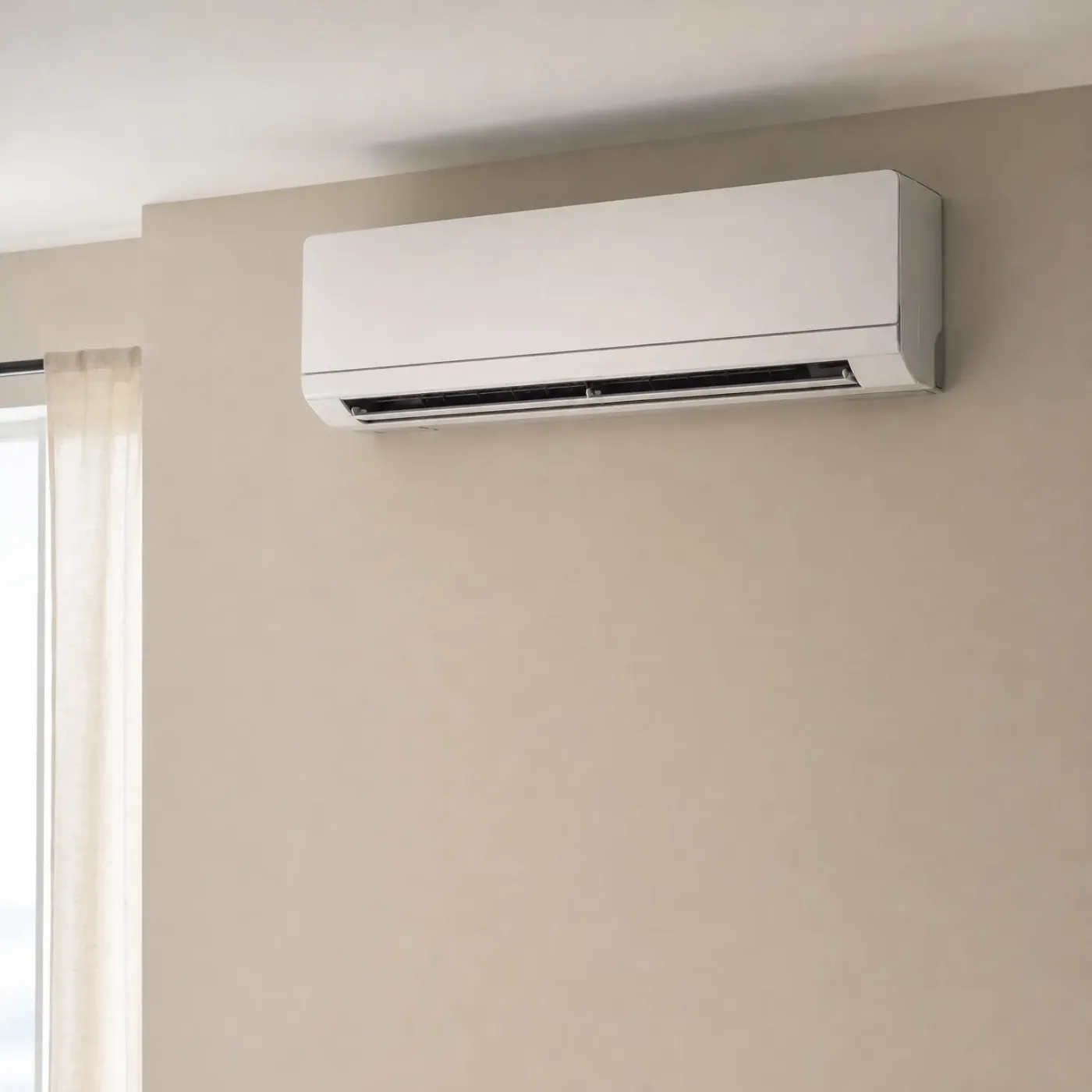
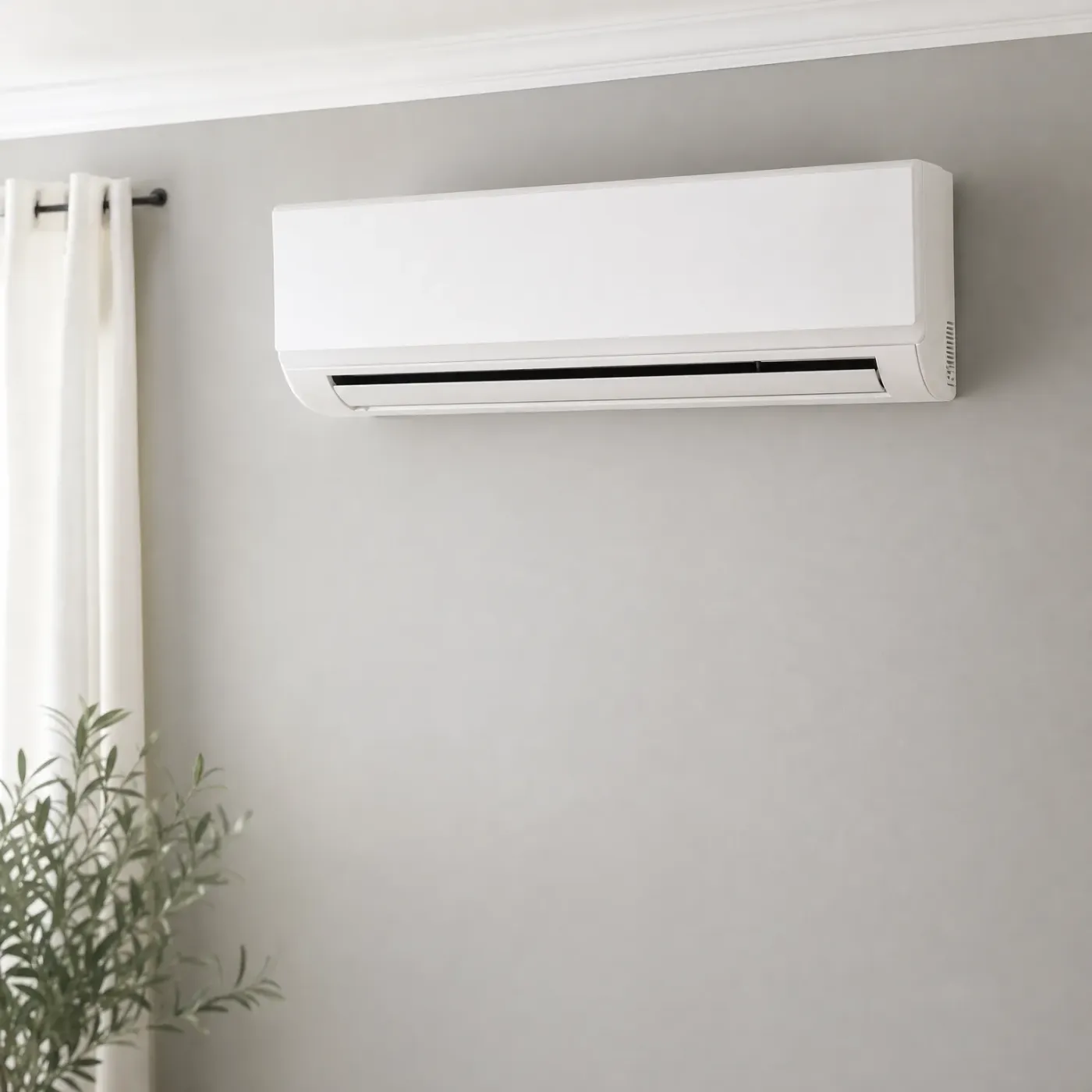
A white wall-mounted mini-split air conditioner installed high on a beige interior wall near the ceiling, with a sheer curtain and window at the left edge.

Running quiet

This is what a healthy mini split sounds like: a low hum, maybe a soft click when it starts or stops. No rattle, no hiss, no grinding. If yours still sounds like this, the noise you're hearing on another unit or at another time is worth paying attention to before it changes.

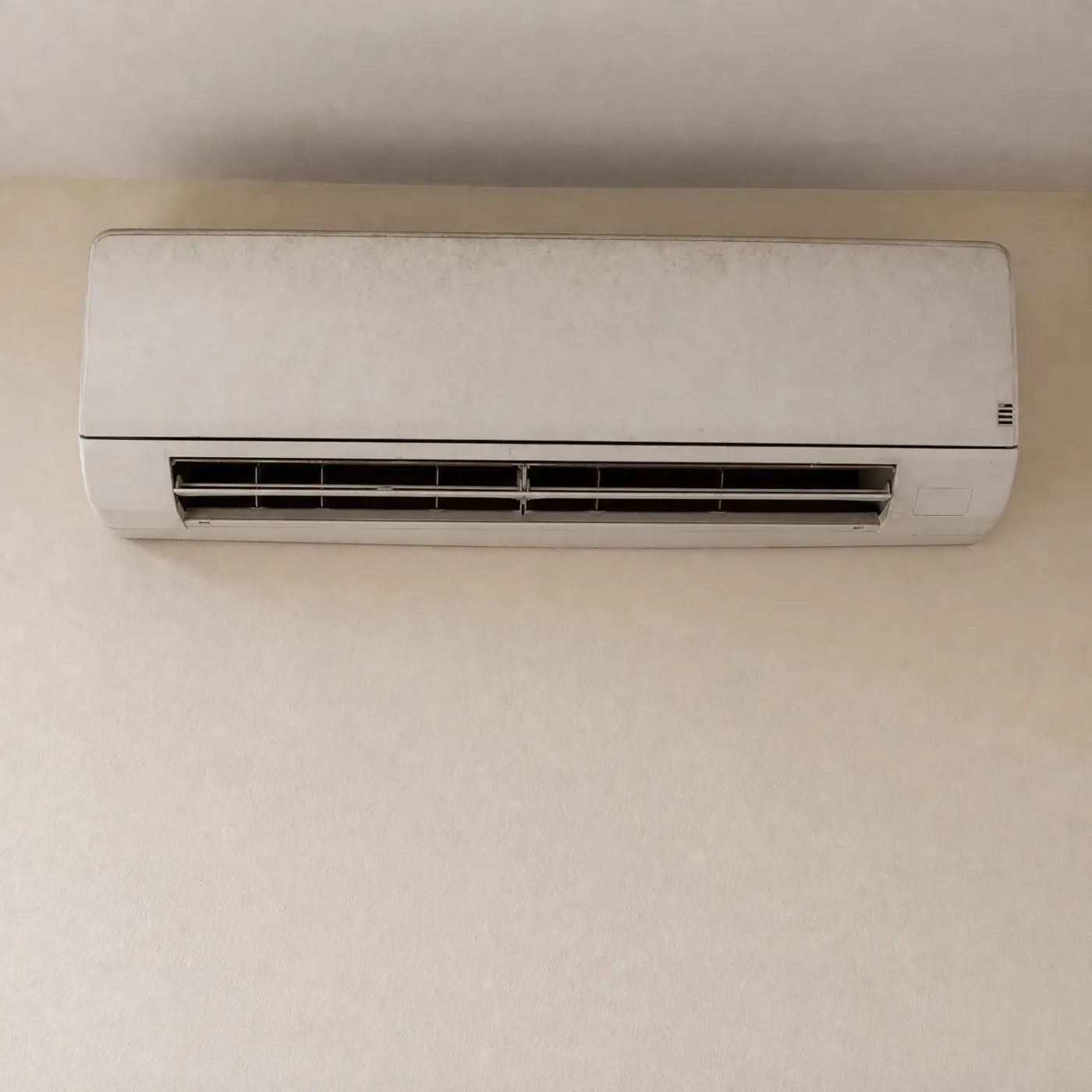
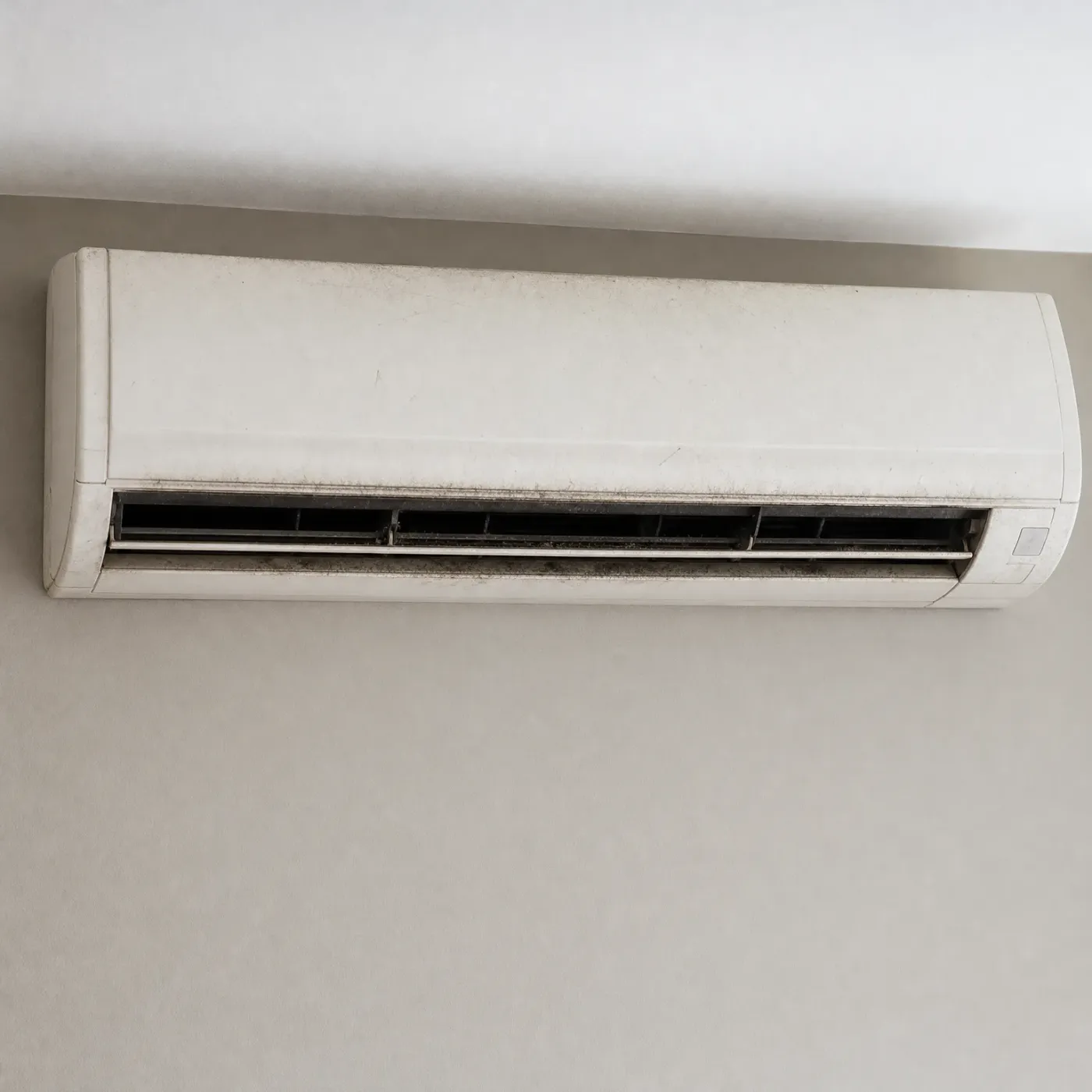
A white wall-mounted mini-split air conditioner indoor unit with visible dust and discoloration, installed near the ceiling on a plain beige wall.

Dusty and struggling

Dust built up on the coil and a discolored housing often come with noise that wasn't there before, a hum that's gotten louder or a rattle under the vent. The unit is still running, but it's working harder to do it, and that's usually when the sound starts.

A woman in a cream cowl-neck sweater stands in a lamp-lit room looking out a window at a snow-covered yard with shrubs and bare trees at dusk.
A woman in a gray turtleneck sweater stands near a large window in a lamp-lit living room, looking out at falling snow and snow-covered conifers.
A woman in a chunky knit sweater stands by a large window looking out at snow-covered ground, with a dimly lit living room containing a gray sofa, framed artwork, shelves and table lamps behind her.
A woman in a gray turtleneck sweater stands in a dimly lit living room with a lamp and bookshelves, looking out a multi-pane window at falling snow.

Get matched with a mini split pro in Canadian County

Explain the mini split problem once instead of to every shop in Canadian County.

Asking costs nothing, and the choice to hire stays yours.

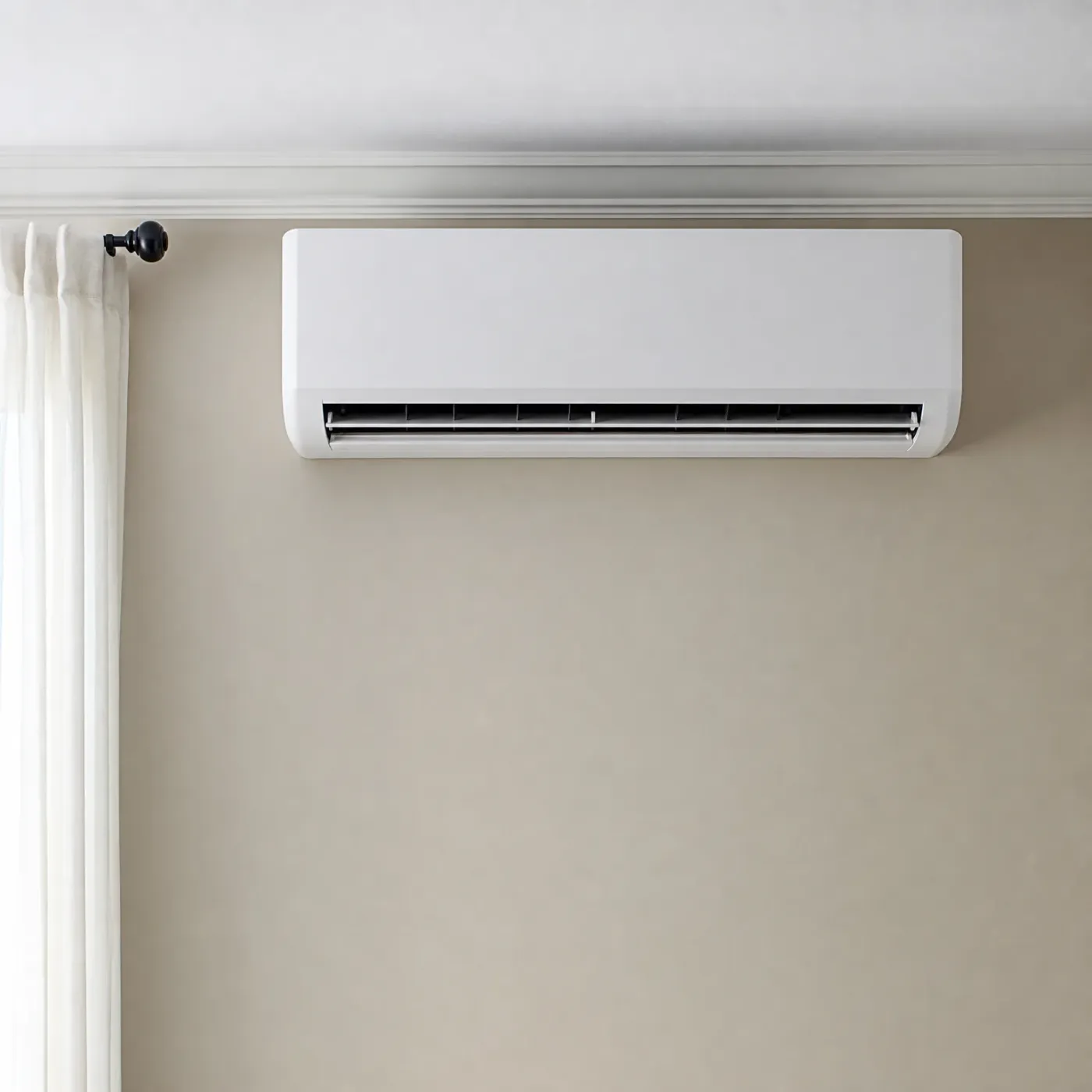
A white wall-mounted mini-split air conditioner installed high on a beige interior wall below crown molding, with a sheer white curtain on a dark rod at the left edge.

Running clean

A mini split that's kept up with looks like this. Nothing on the casing but a clean white finish, air moving freely out of the vents. No noise beyond the quiet hum you'd expect, because nothing inside is working against dust or a clogged filter.

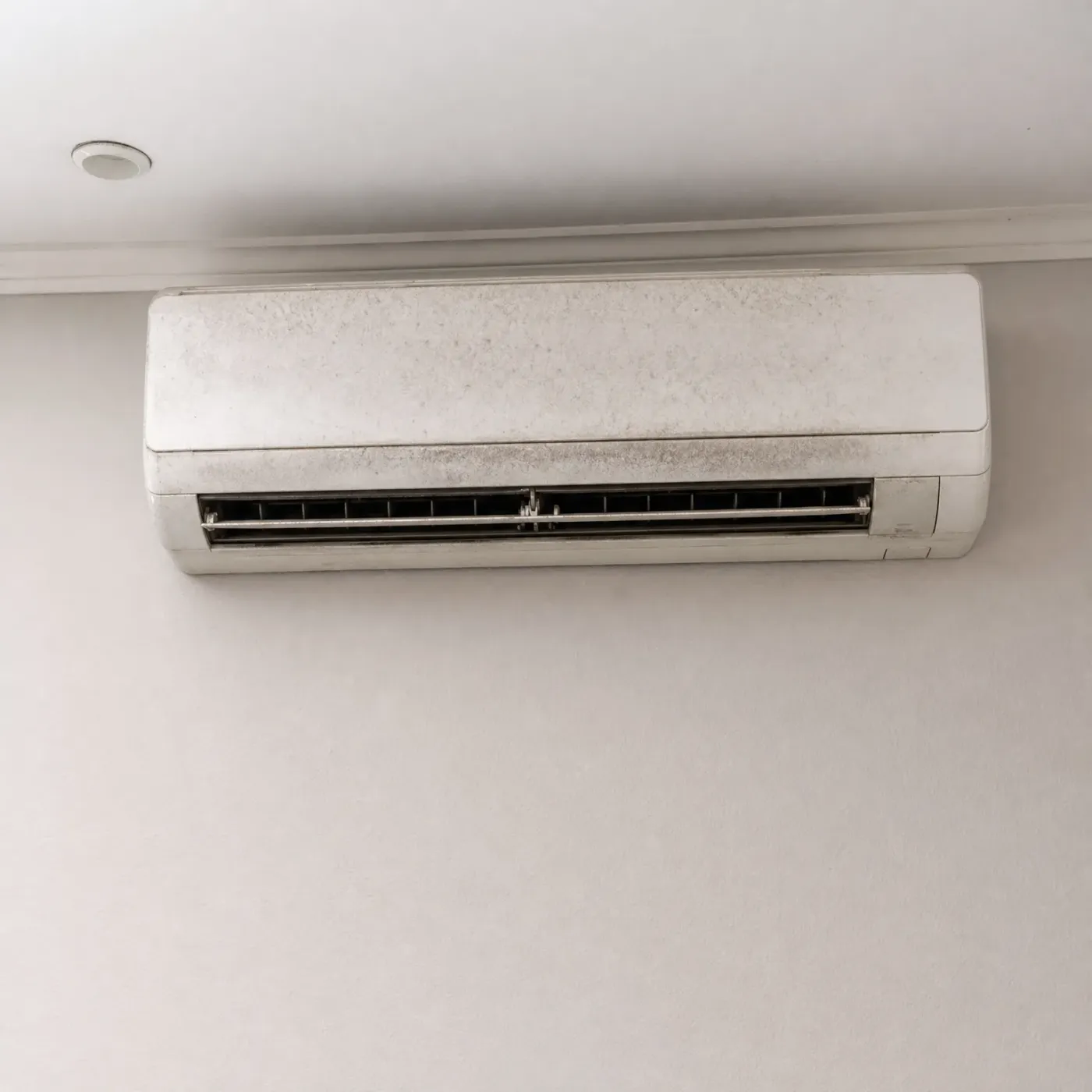
A dusty white wall-mounted mini-split air conditioner unit installed near the ceiling on a plain light-colored interior wall, with a small recessed ceiling fixture at upper left.

Choked with dust

This casing is carrying months of buildup, maybe longer. Dust on the housing usually means dust in the filter and on the coil behind it, and that makes the fan work harder to push the same air. A unit working that hard is a unit more likely to start making noise.

Is the noise urgent or can it wait

Call now

  • A grinding or metal-on-metal sound from the outdoor unit usually means a fan blade or motor bearing is failing, and it can stop running entirely without warning.
  • A new noise paired with warm air instead of cold means the compressor may be struggling, and running it in that state in July heat can shorten its life.
  • A burning smell with any noise means a wire or motor is overheating, and that's a safety issue, not a comfort one.
  • Water pooling under the indoor unit along with a gurgling sound points to a clogged drain line that can damage the wall or floor the longer it sits.
  • A noise that gets louder by the hour, not by the day, means something is coming loose or apart while the unit keeps running.

Can wait for an appointment

  • A faint click a few seconds after the unit shuts off is usually just the relay, and it doesn't point to anything failing.
  • A rattle that only shows up on windy days is often a loose panel screw or debris in the outdoor unit, not a sign of internal damage.
  • A soft hum that's always been there and hasn't changed in pitch or volume isn't new information worth acting on urgently.
  • A buzz that only happens at startup and settles once the compressor kicks in is common and rarely gets worse on its own.
  • A noise that shows up once and doesn't repeat over the next few days of running is worth noting but not worth rearranging your week for.
A white wall-mounted mini-split indoor unit on a light gray interior wall, with a white curtain on a black rod at left and a leafy plant in the lower left corner.
A mini split that's been cleaned and serviced runs like this, quiet, with nothing blocking airflow at the vents.
A wall-mounted white mini-split air conditioner indoor unit with visible dust and grime around its outlet vent, installed near the ceiling on a plain light-colored wall.
Dust and grime built up along the vents and casing edges like this can be behind a new hiss or a labored hum.
A bearded man in a plaid flannel shirt sits indoors looking out a window at snow-covered trees, with a steaming mug on the sill and wooden kitchen shelves behind him.
A smiling man in a dark blue T-shirt sits on a light gray sofa in a living room with a wooden shelf and window behind him, with a laptop edge visible in the foreground.

What the noise is telling you

  • A click at startup or shutdown is the relay, normal, but a grinding or metal sound from the outdoor unit is a fan blade or bearing giving out.
  • A hiss during operation is usually refrigerant moving through the lines, while a hiss paired with a wet wall or ceiling spot points to a clogged condensate drain.
  • A new buzz or rattle in May only gets louder by September, five straight months of cooling running the compressor and fan motor without a break.
  • A noise paired with warm air instead of cold means the compressor may already be struggling, and that pairing is worth acting on, not waiting out.
  • Loose panel screws or a fan blade ticking against debris can wait, but a sound tied to weak airflow or water usually can't.
  • Sorting out which noise you have, calling around for a contractor who works on mini splits, and repeating the same description to each one is the part you can skip.

The sound your mini split is making is information, not a mystery. A click at the start or the finish is the relay doing its job. A hiss while it runs is usually refrigerant moving where it should. The trouble starts when a sound shows up that wasn't there before, or shows up alongside something else, warm air instead of cold, a wet patch under the indoor unit, a grinding note from the outdoor fan. Those pairings are the ones that tell you a part is wearing out or a drain line is already clogged, not something to watch for another week.

Cooling here runs May through September, five months of the compressor and fan motor working without a break, and whatever's starting to go wrong in May has all summer to get worse. A loose screw or a leaf ticking against a fan blade can wait for a slow afternoon. A new rattle paired with weak airflow, or a hiss paired with water on the wall, usually can't.

Once you know which kind of noise you're dealing with, the next step is getting someone who works on mini splits to look at it, not spending an afternoon calling around, explaining the sound over and over, and comparing quotes from contractors you've never worked with. That part of it is what this page takes off your plate.

A wall-mounted mini-split air conditioner on a light wall above a beige sofa with green and cream cushions, a wooden coffee table with a vase of leafy branches and a dark bowl, and a green upholstered armchair beside a curtained window.

Find a mini split repair pro in Canadian County

Answer a few questions

Skip calling shops to ask who repairs mini splits in Canadian County.

No fee to send it, and nothing to sign.