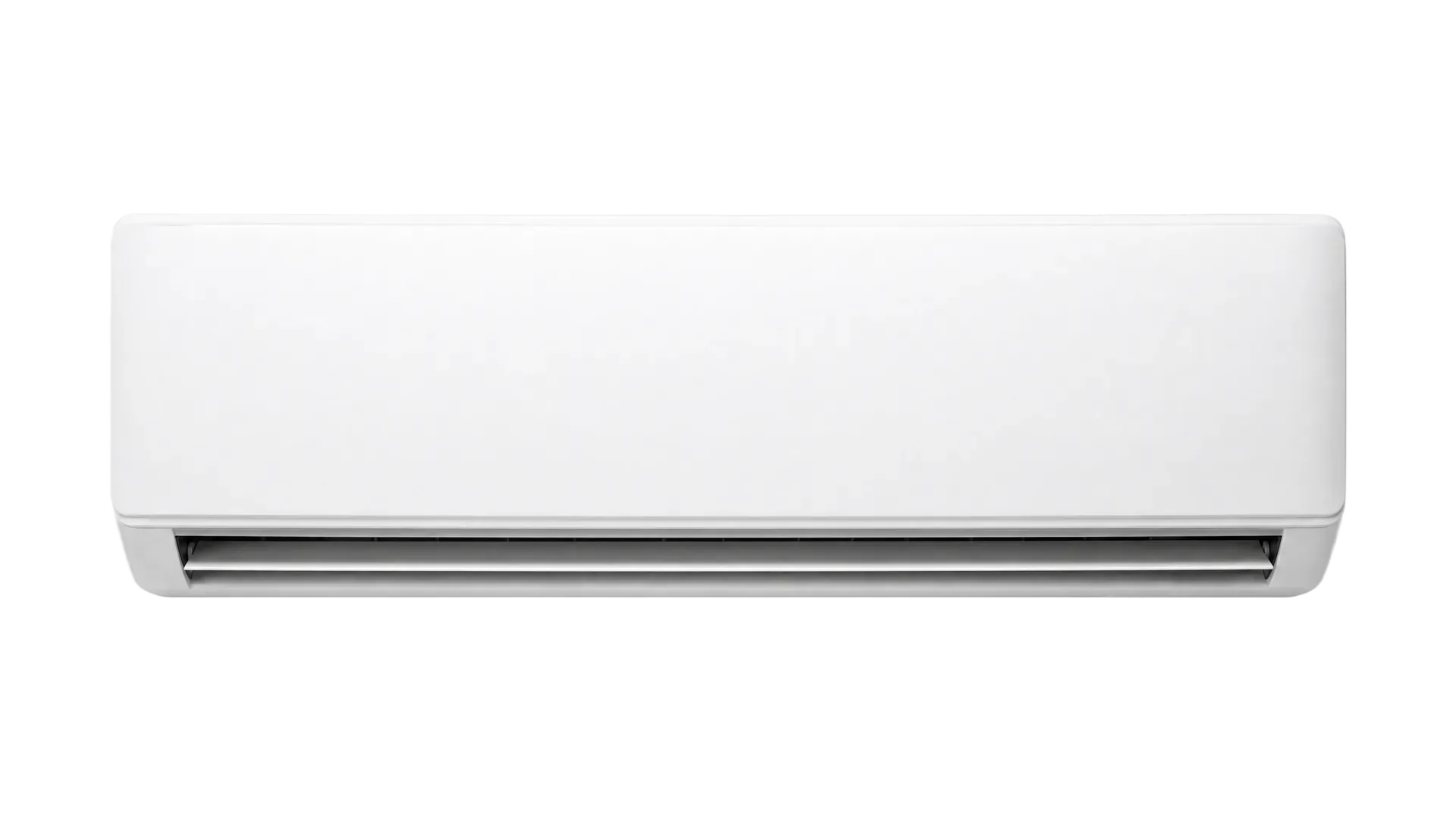
A clean coil runs quiet
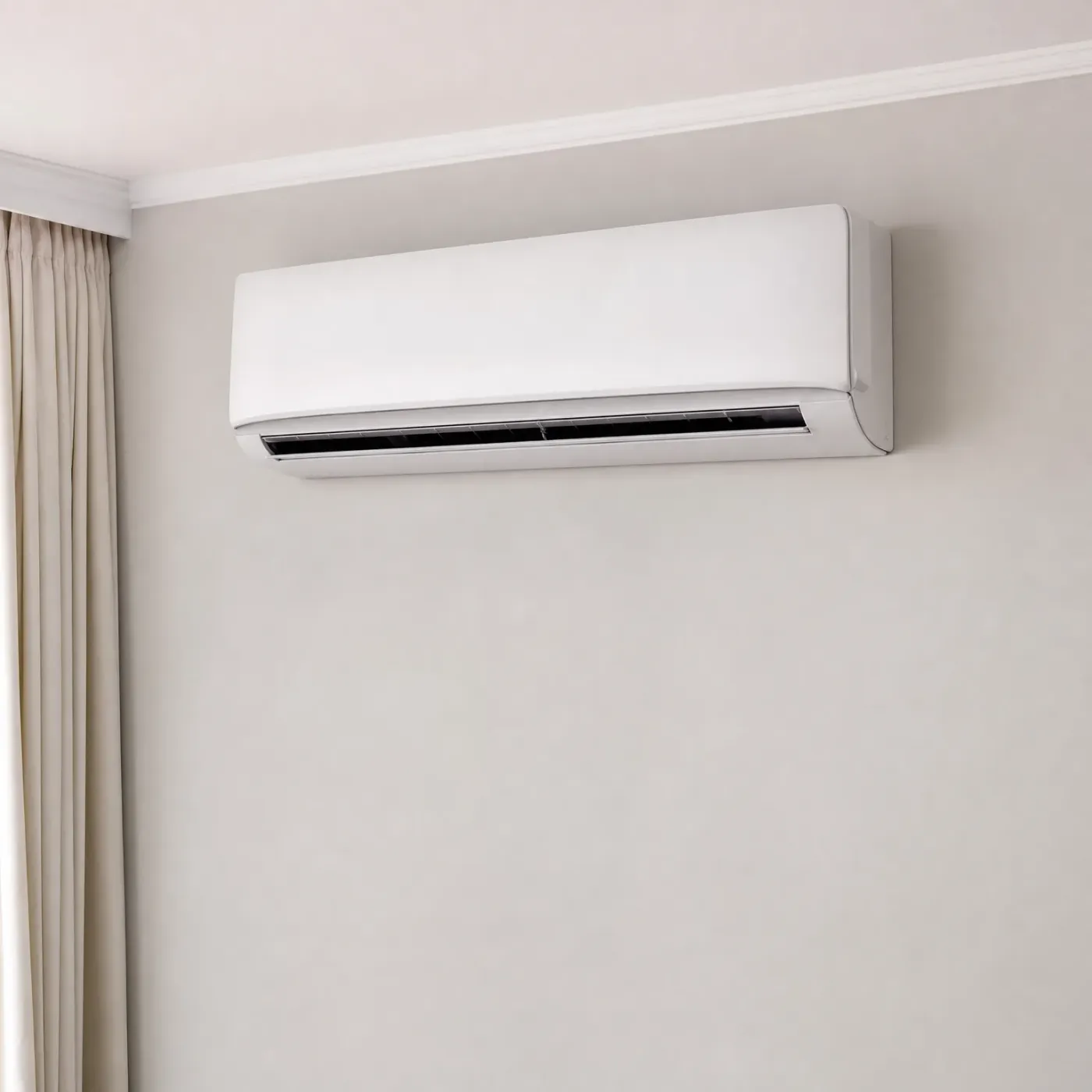
This is what a mini split looks like when the coil and drain pan stay clear. Air moves through it without picking up any smell, and the unit can run all summer without turning into a mold problem.
A musty smell from your mini split almost always means mold or mildew growing on the evaporator coil or in the drain pan inside the indoor unit. Summers around Yukon stay humid for months, and that moisture condenses on the coil every time the system runs. If the coil doesn't dry out between cycles, or the condensate drain is slow to clear, mold gets a place to grow and the smell gets pulled into the air every time the unit kicks on. Sometimes it's the filter holding dust and moisture instead of the coil. Either way, the smell is a sign the unit needs to be opened up, the coil and pan checked, and the drain cleared so it doesn't keep feeding the problem. Left alone, it tends to get stronger as the humid months go on, not better.




Cooling runs May through September
Cooling runs May through September, so the coil stays wet and humid for five straight months, long enough for mold to take hold.
Heat runs October through April
Heat runs October through April, and the system sits idle in between, which gives mildew in the drain pan time to set in before you notice the smell.
Power here costs 12.76 cents per kilowatt-hour
Power here costs 12.76 cents per kilowatt-hour, cheap enough that most homes run the mini split hard all summer instead of easing off it.
NOAA nClimDiv 1991-2020 · EIA-861 2025
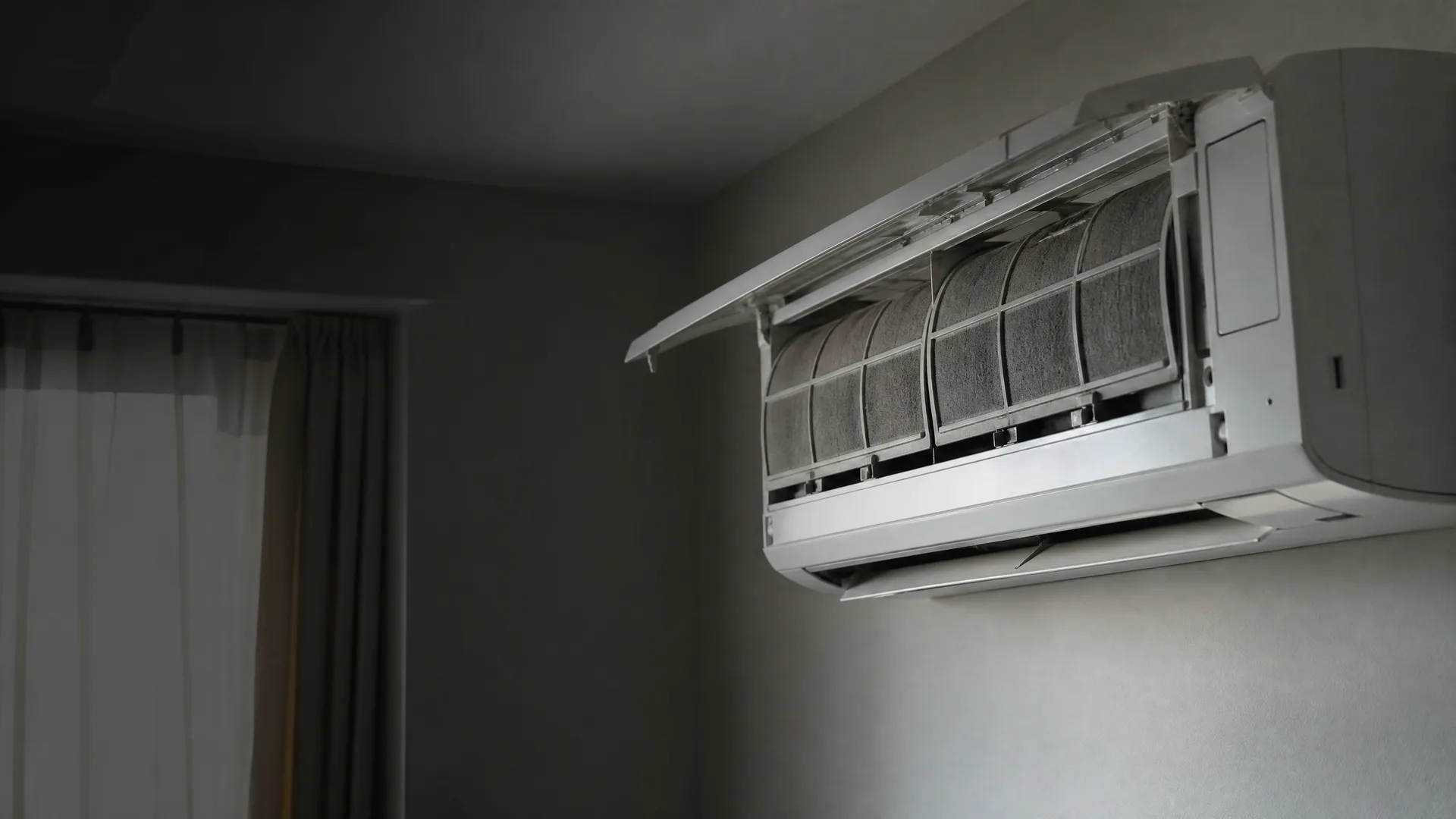
You open the bedroom window a crack for the first warm afternoon of the year, and it still smells off in here, like a towel that never dried. The mini split has been running the last two days, first warm stretch since winter, and you finally pop the front cover to look. The filter screen is grey with dust, more than you expected. Behind it the coil is still damp from the last cycle. You run a finger along the screen and it comes away gritty. The unit sat mostly idle all winter while the gas furnace carried the house, and whatever was growing in there had months alone in the dark to settle in.
Walk up to the indoor unit while it's running. If the musty smell gets stronger near the vent, it's the unit. You might also notice the smell comes and goes with the fan, strongest right when it kicks on, or that it fades within a minute as air starts moving. Some households see a faint dark spotting around the louvers or on the filter itself. None of this means the air coming out is unsafe to breathe, but mold inside the unit doesn't go away by running the fan more or less. Left alone, it keeps growing on the coil and in the drain pan, and the smell tends to show up earlier each year and linger longer once the weather warms.

This is what a mini split looks like when the coil and drain pan stay clear. Air moves through it without picking up any smell, and the unit can run all summer without turning into a mold problem.
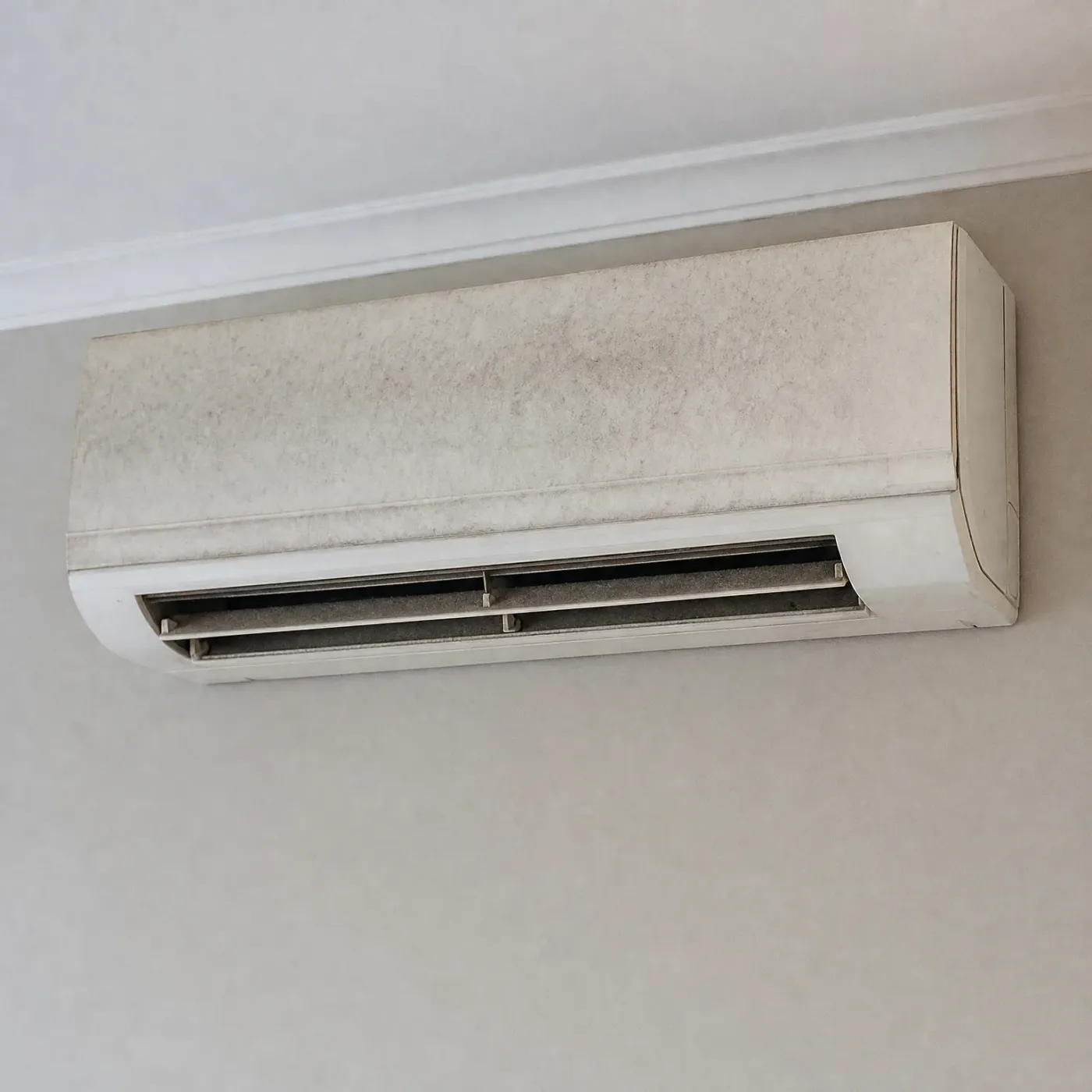
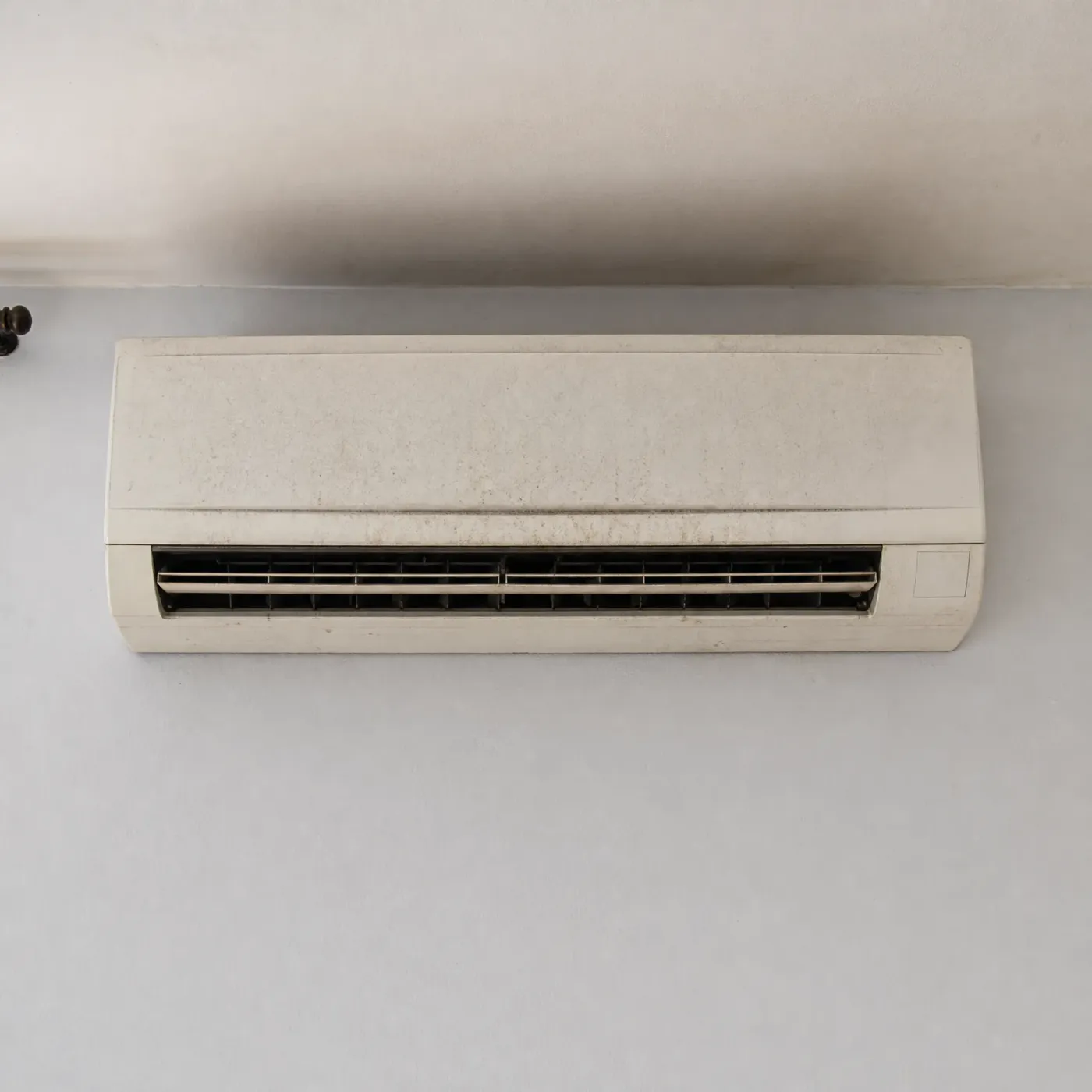
A coated top panel and clogged vents trap condensation against the coil instead of letting it drain. That layer of grime is exactly where mold takes hold, and it builds up over more than one season of running.
A licensed pro who works in Canadian County gets your request.
There's no charge for the request.
The musty smell coming from your mini split is mold or mildew, sitting on the coil or in the drain pan, and it builds because of how the system runs here. Five months of cooling through a humid Yukon summer keeps that coil wet. Then it sits through six months of heat season barely used, with no airflow to dry anything out. That cycle repeats every year unless something breaks it. A coil cleaning and a drain pan flush break it, because they remove the mold instead of masking what it's doing to the air moving through your rooms.
Getting it done means handing the job to someone who already knows this equipment and this climate, not someone working it out as they go. A contractor who services mini splits around Yukon all summer has seen which models in this area hold onto moisture the longest and where mold tends to settle in first on them. That's not guesswork on your unit, it's a pattern they've already run into on units like yours.
You're also not stuck fielding calls from three or four companies trying to win the job. One licensed local contractor gets matched to the work, one visit gets scheduled, and that's the extent of it. Once the coil and pan are clean, the smell goes with them, and the unit can run the rest of the summer the way it's supposed to, cooling the air without leaving that smell behind in it.

Send one request and you're done looking