
12,000 BTU per 500 to 600 square feet
That's a rough starting point for a single room with normal ceiling height and shade. A sunroom or a west-facing room needs more BTUs than this to keep up.

There's no single size that works for every Oklahoma home. The right number of BTUs depends on your square footage, how much insulation you have, which way your windows face, and how many rooms the unit needs to cover. A mini split sized too small will run constantly through July and August trying to keep up with the heat and humidity, and never quite get there. One sized too big cools the room fast but shuts off before it pulls the moisture out of the air, which leaves the space feeling damp even when the thermostat says it's cold enough. Since most homes here heat with gas, the mini split's heating capacity usually matters less than how well it handles a muggy Oklahoma summer. Getting the size right takes a room by room look at your home, not a formula off the internet.




Maybe it's the sunroom that stays sticky by mid-afternoon no matter how low you set it, or the bonus room over the garage that never quite cools down before bed. You hear the unit running almost constantly, and the air coming out doesn't feel as cold as it should. In a bedroom, that means falling asleep with the humidity still hanging in the air. In a living room, it means guests notice before you say anything. An undersized mini split just keeps working without catching up, and a unit running long hours puts more wear on the compressor than one sized to shut off and rest.
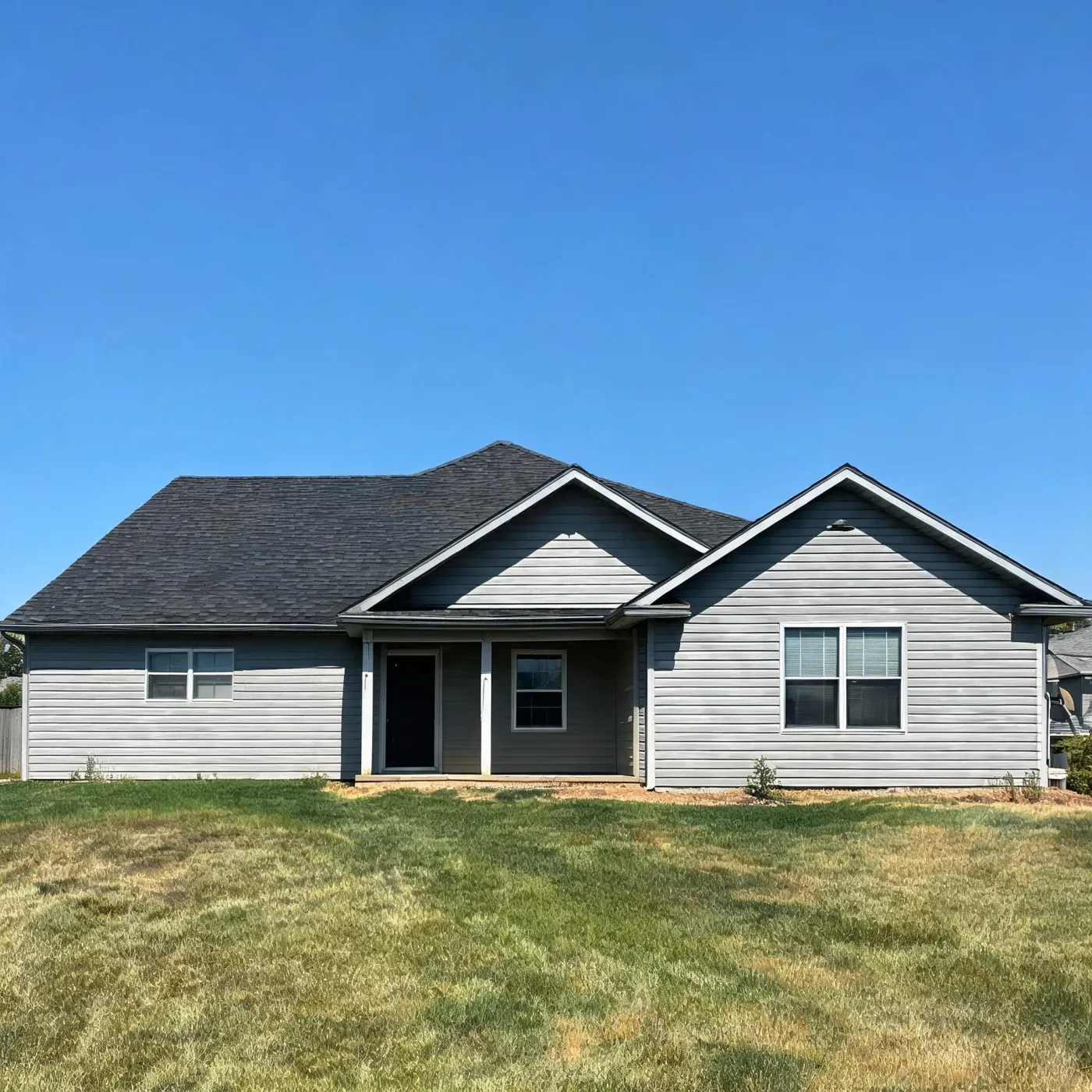
Summer dew points around Oklahoma homes average 66°F, according to NOAA climate data. That's heavy, sticky air, the kind that sits on your skin even after the thermostat says the room is cool. A mini split pulls moisture out of the air as it cools, and on days like that it has to work through a lot of it before the room actually feels dry. A unit sized right for your space handles that load and still shuts off between cycles. One sized too small just keeps running, chasing a temperature it can hit without ever getting the damp feeling out of the air.
NASA POWER T2MDEW county cells weighted by homes
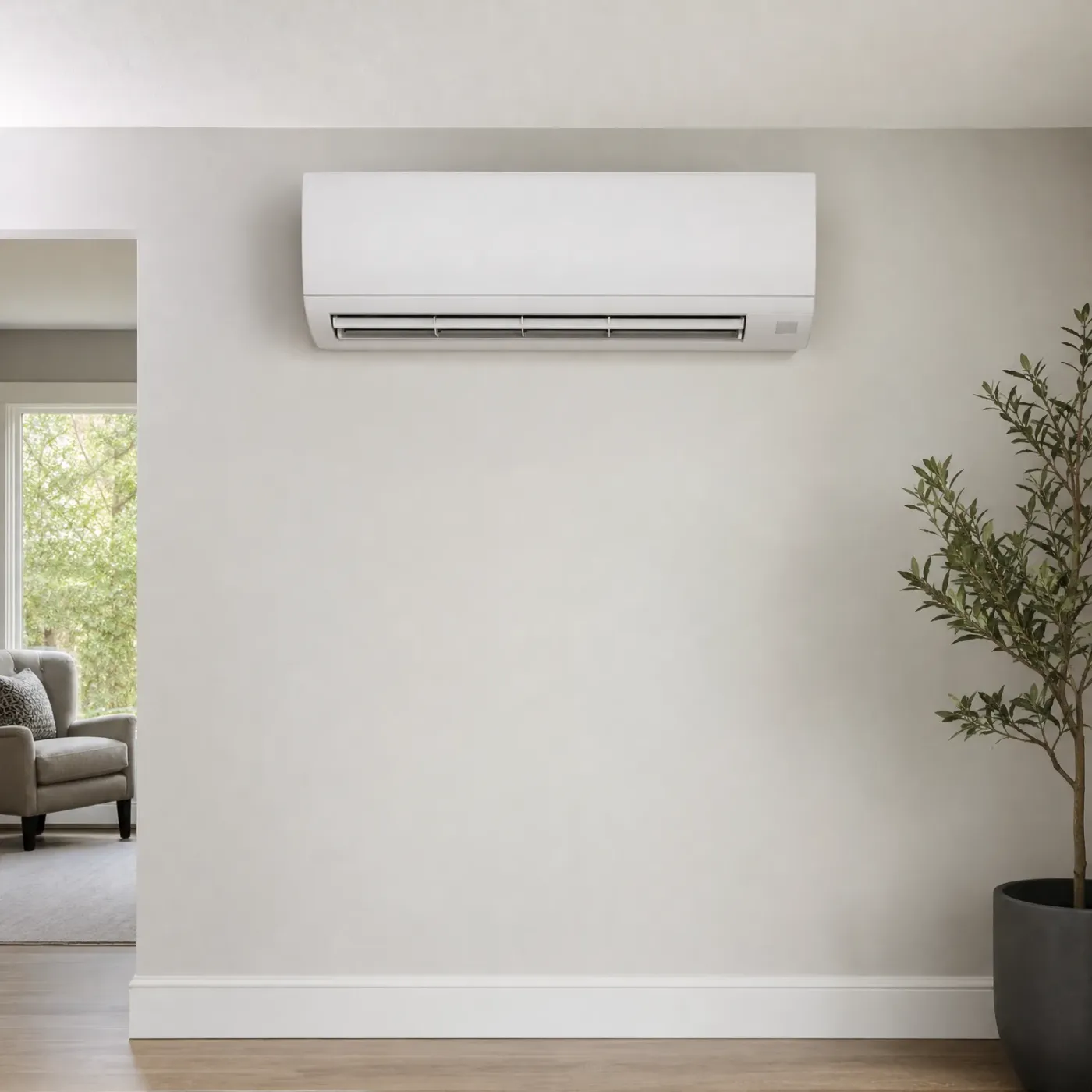
A contractor measures each room's square footage and ceiling height
They check window direction and how much sun each room gets
They add BTU load for insulation gaps and uninsulated attic space
They match the indoor head and outdoor condenser to that total load


Your request goes to one pro, not a list of companies.
Describe your mini split job once, to one pro.
Sending the form costs nothing.
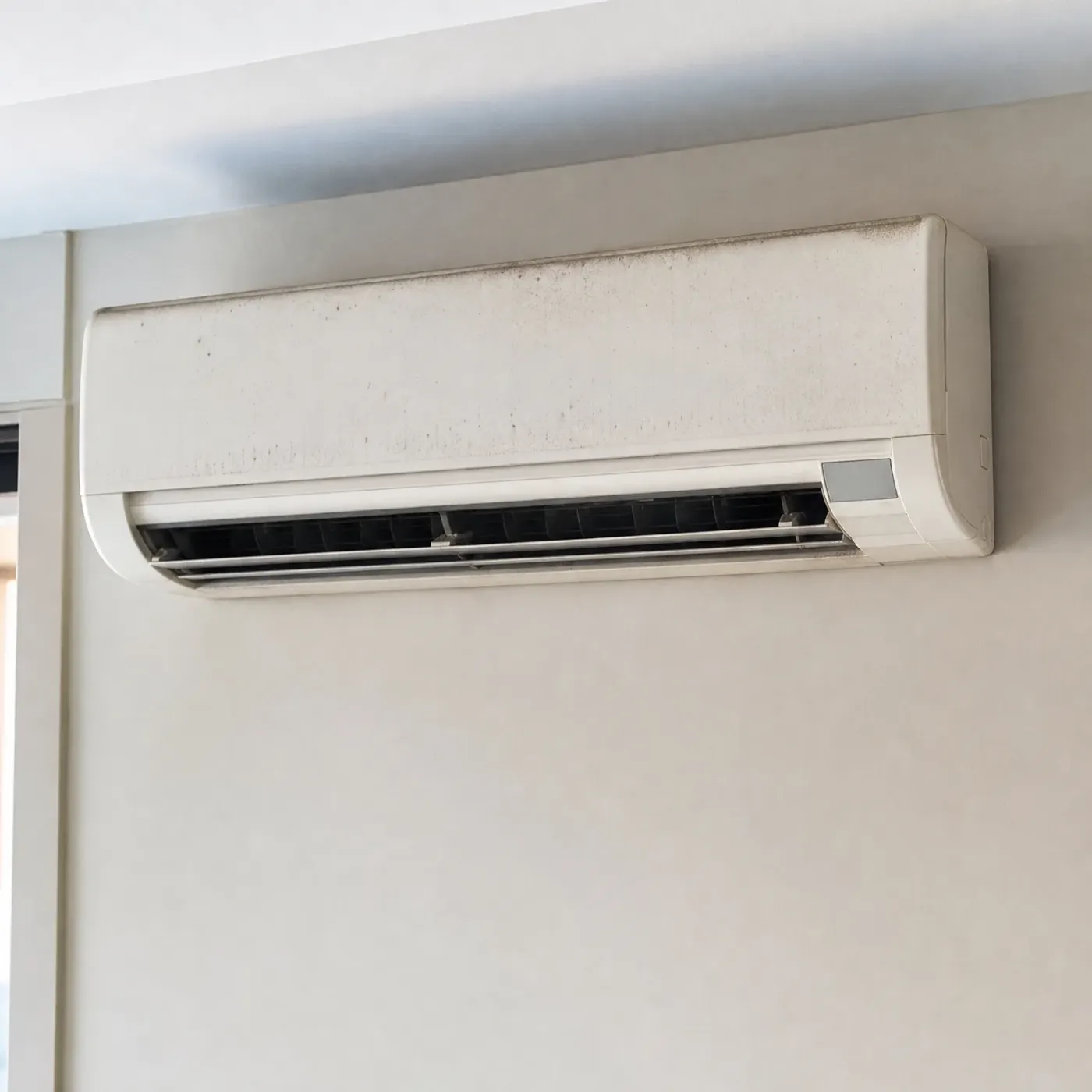
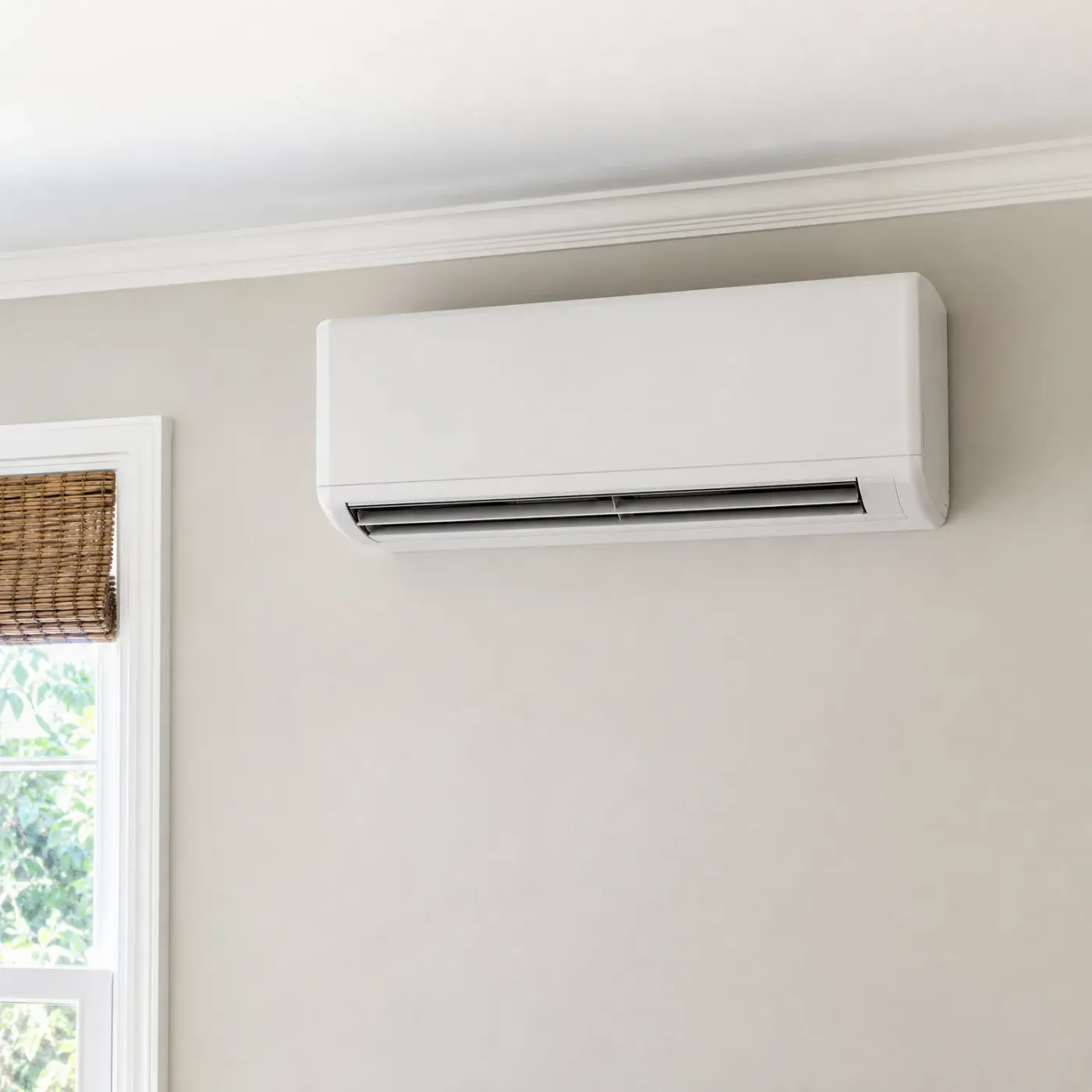
That's a rough starting point for a single room with normal ceiling height and shade. A sunroom or a west-facing room needs more BTUs than this to keep up.
A mini split that's too big cools the air fast then shuts off before it pulls the moisture out. The room feels cold and damp instead of just comfortable.
At 13.21 cents per kilowatt-hour, the size you pick decides what you pay every month, not just how fast the room cools. An oversized unit cycles on and off and wastes power doing it. One sized right for the room runs longer at a lower output and costs less to keep that sunroom or bonus room comfortable all summer.
EIA-861 2025 statewide residential average
There's no shortcut that replaces measuring the actual room. Square footage gets you close, but insulation, window direction, and how many rooms the unit has to cover all move the number up or down from there. That's why the same 12,000 BTU head that handles a shaded bedroom falls short in a west-facing sunroom or a bonus room over the garage. Get it wrong and you don't just lose comfort. You lose it twice: once in the room that never quite feels right, and again every month on a power bill that stays higher than it should because the unit cycles on and off instead of running steady.
This is where a contractor who works on these units all year in Oklahoma homes earns the call. They've seen which rooms run hot for reasons the square footage alone won't tell you, and they size the equipment against that, not against a chart. You get one person out to measure, one quote back, and one installation scheduled, instead of chasing down separate estimates and explaining the same sunroom problem three different times to three different companies.
The size you land on decides how the room feels on the hottest afternoon and what you pay for it come the electric bill. Get it right once and both of those settle down for good.

The pro who reaches out is licensed in Oklahoma.
It costs nothing to send, and you don't have to hire anyone.