
Running clean
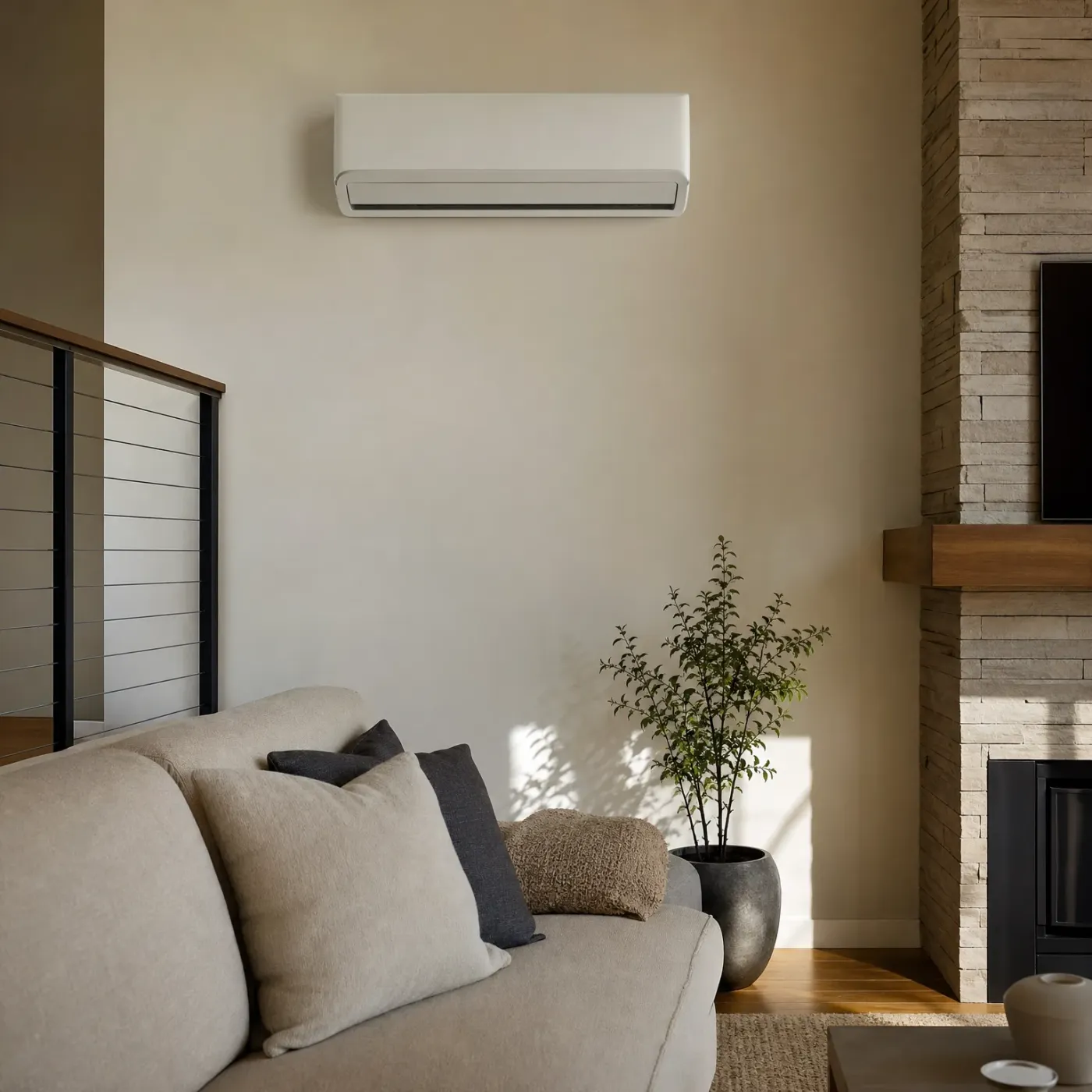
This is what a mini split looks like when it's switching modes the way it should. The casing is clean, the louvers move freely, and nothing is fighting the valve inside when it shifts from cold to heat.
You keep the house comfortable, and right now your mini split is pushing out cold air when it should be putting out heat. With Oklahoma winters swinging cold enough to matter, and most homes here leaning on gas furnaces for backup heat, a mini split that won't heat is easy to notice fast. You want to know if this is something simple or a sign the unit needs a repair tech before the next cold snap.
A mini split blows cold air in heat mode for one of a few reasons. The remote or wall control may have switched to cooling mode by mistake, which is worth checking first since it costs nothing to fix. If the mode is set correctly and cold air still comes out, the reversing valve that switches the system between heating and cooling may be stuck, or the unit may be low on refrigerant. A dirty outdoor coil can also keep the system from pulling in enough heat to warm the air passing over the indoor coil. In Oklahoma, where gas furnaces carry most of the heating load, a mini split that won't heat often gets left broken longer than it should, since it's not the only thing keeping the house warm.




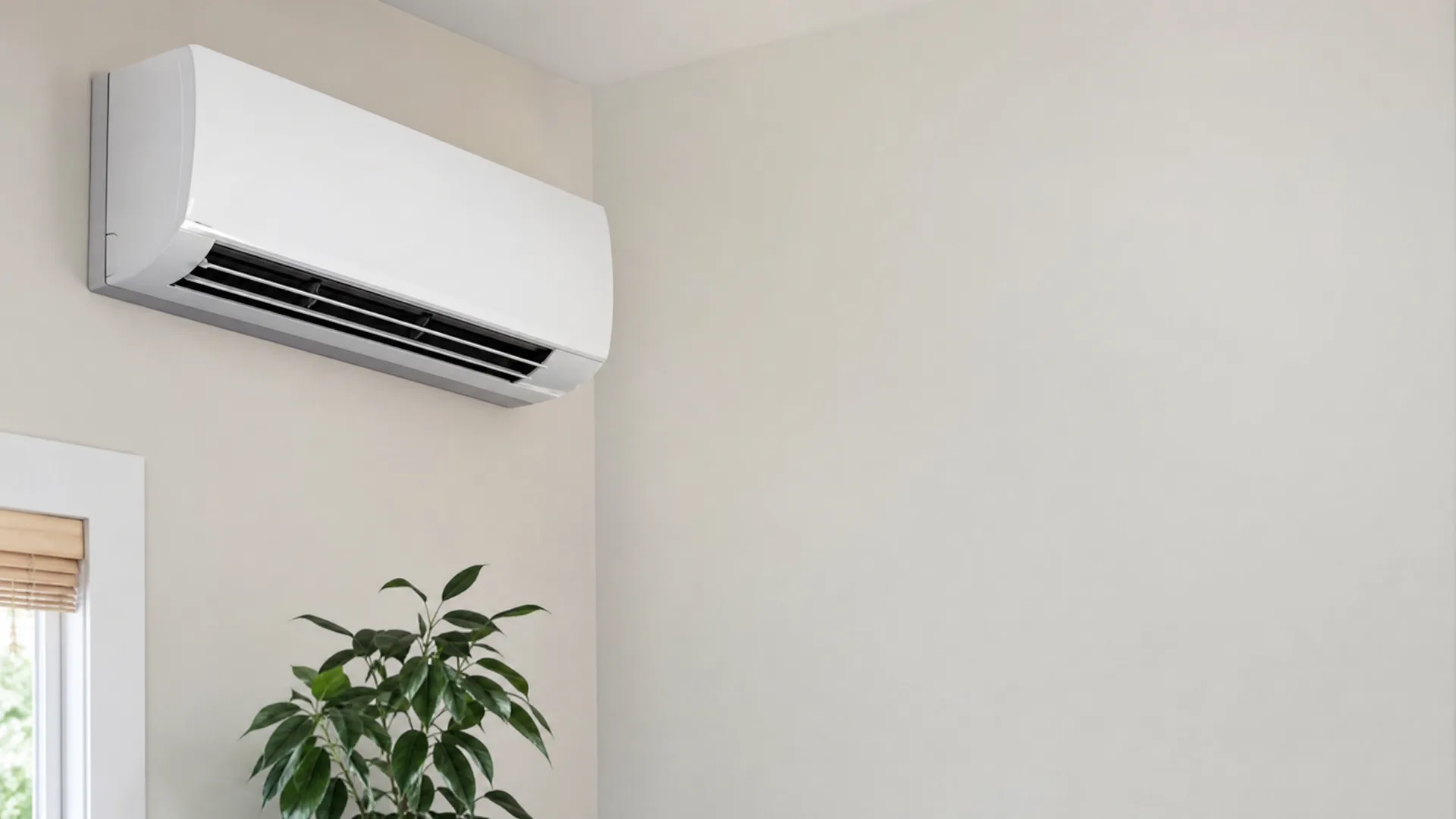
A mini split makes heat by reversing the flow of refrigerant through a valve, and that valve is what switches the unit from cold air to warm. If the valve sticks in one position, the system runs like an air conditioner no matter what the remote tells it to do. This happens more on units that sit idle most of the year, which fits a lot of homes here where gas carries the furnace load and the mini split only runs for cooling and the shoulder months.
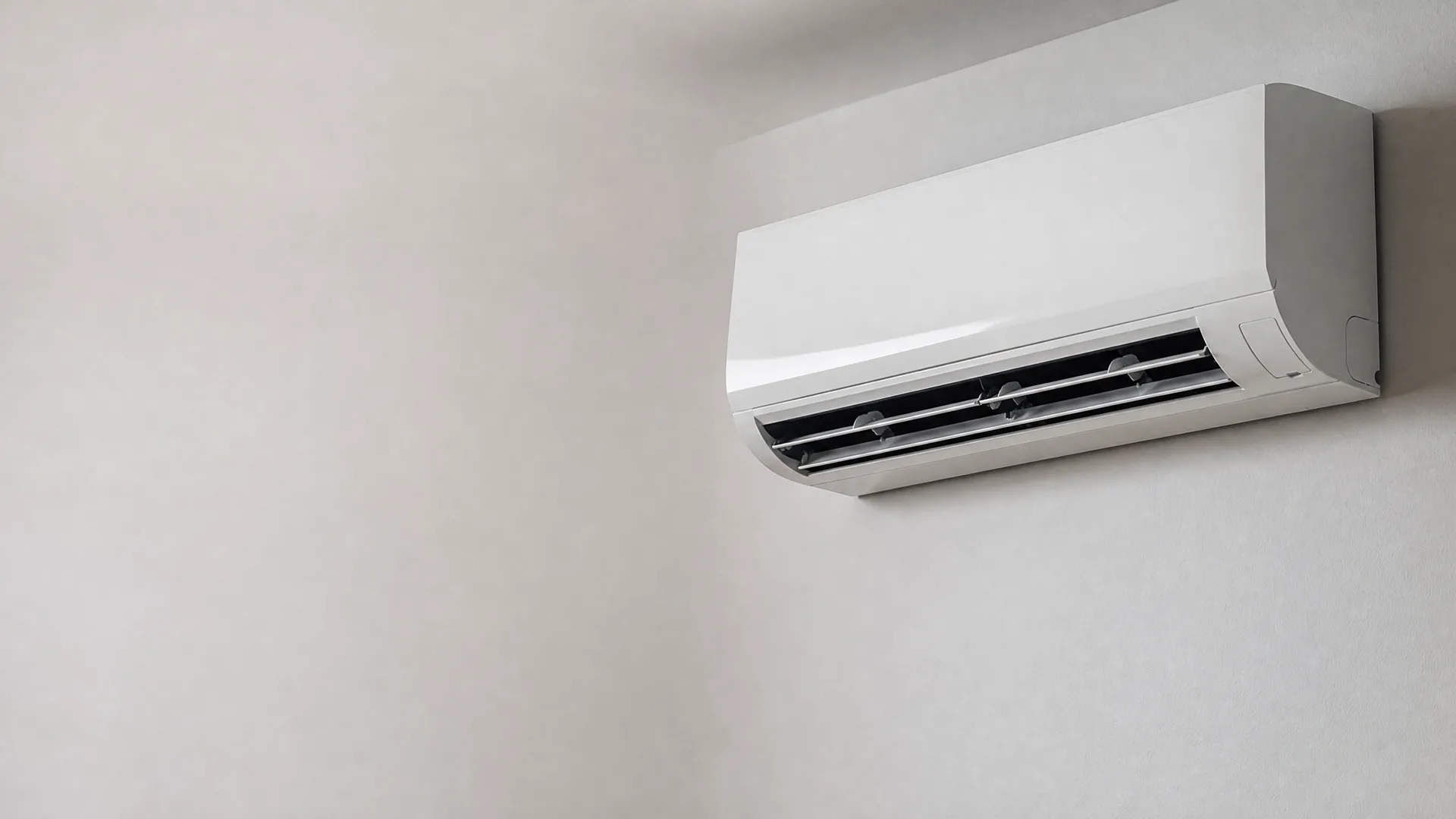
Heating mode asks the outdoor unit to pull warmth from the outside air, and that takes a full charge of refrigerant to work right. A system that's low, even a little, can still blow air and still run the fan, but it won't build enough heat to feel like anything but cool air moving past you. Refrigerant doesn't get used up on its own. If the charge is down, there's a leak somewhere in the line, and that's a repair, not a top-off.
At 13.21 cents per kilowatt-hour, running the mini split isn't what's hurting you here. A stuck reversing valve means the compressor keeps working while the house stays cold, and a tech can usually track that down fast once it's running.
EIA-861 2025 statewide residential average
Right now the mini split is running like it's July, pulling power to move heat out of a house that needs heat put into it. The room stays cold no matter how long it runs, so you end up leaning on space heaters or the gas furnace to make up the difference. That's two systems working to do one job. If this is the only heat source in a bedroom or addition, the people sleeping there feel it first, especially overnight when the temperature drops the most. A unit that won't switch out of cooling mode isn't going to fix itself by running longer.
A reversing valve that's stuck doesn't usually get unstuck on its own, and running the system while it's stuck puts hours on a compressor that's working against the house instead of for it. The longer it sits, the more those hours add up. A local tech who services mini splits through an Oklahoma winter has likely seen this exact failure before and knows what to check first. Since it's one contractor coming out, not several competing for the job, you're not fielding calls all afternoon. Get it looked at before the next cold snap, not after the rooms upstairs have been cold for a week.


The pro who reaches out is licensed in Oklahoma.
A local pro who knows mini splits gets your details and gets in touch.
Sending the form costs nothing.
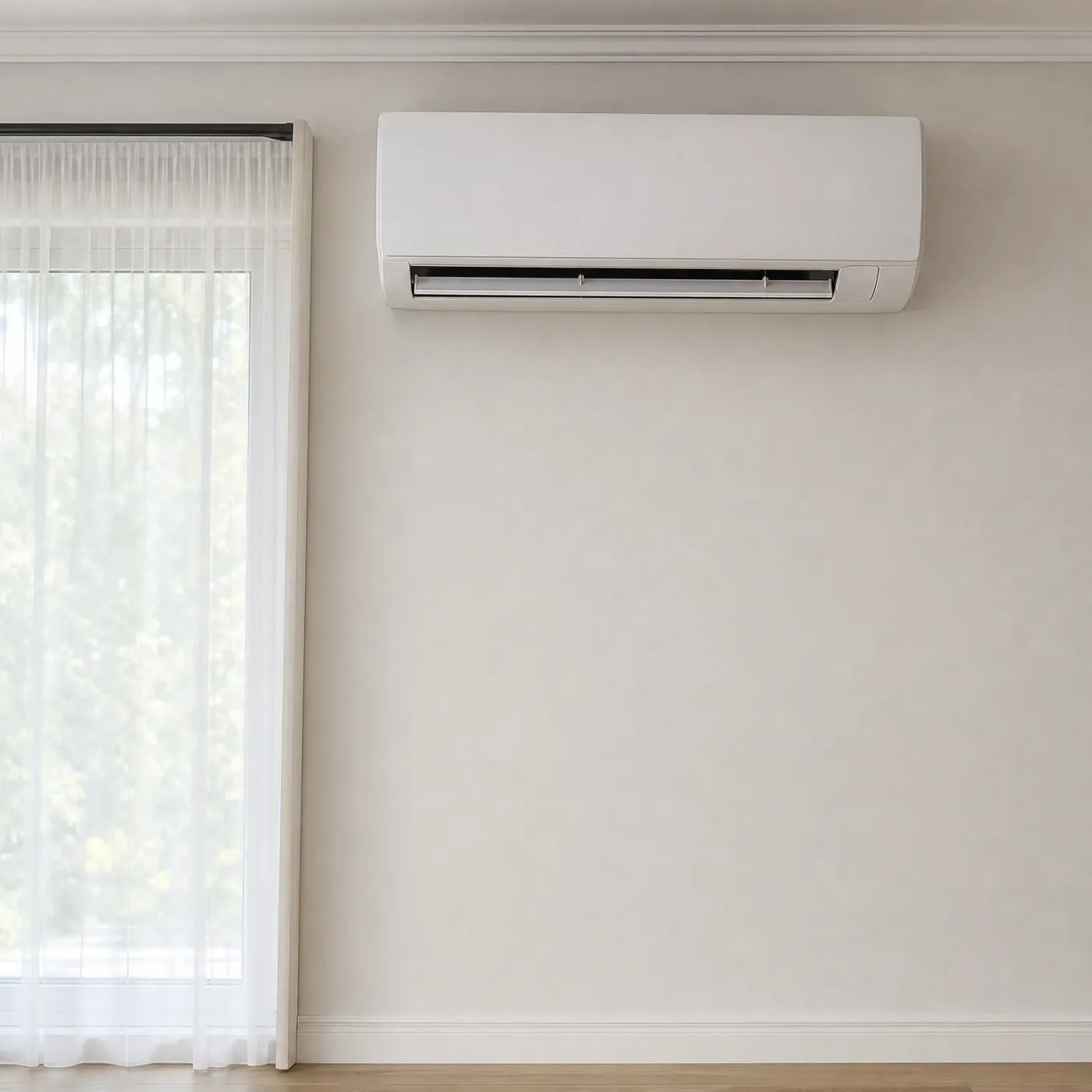
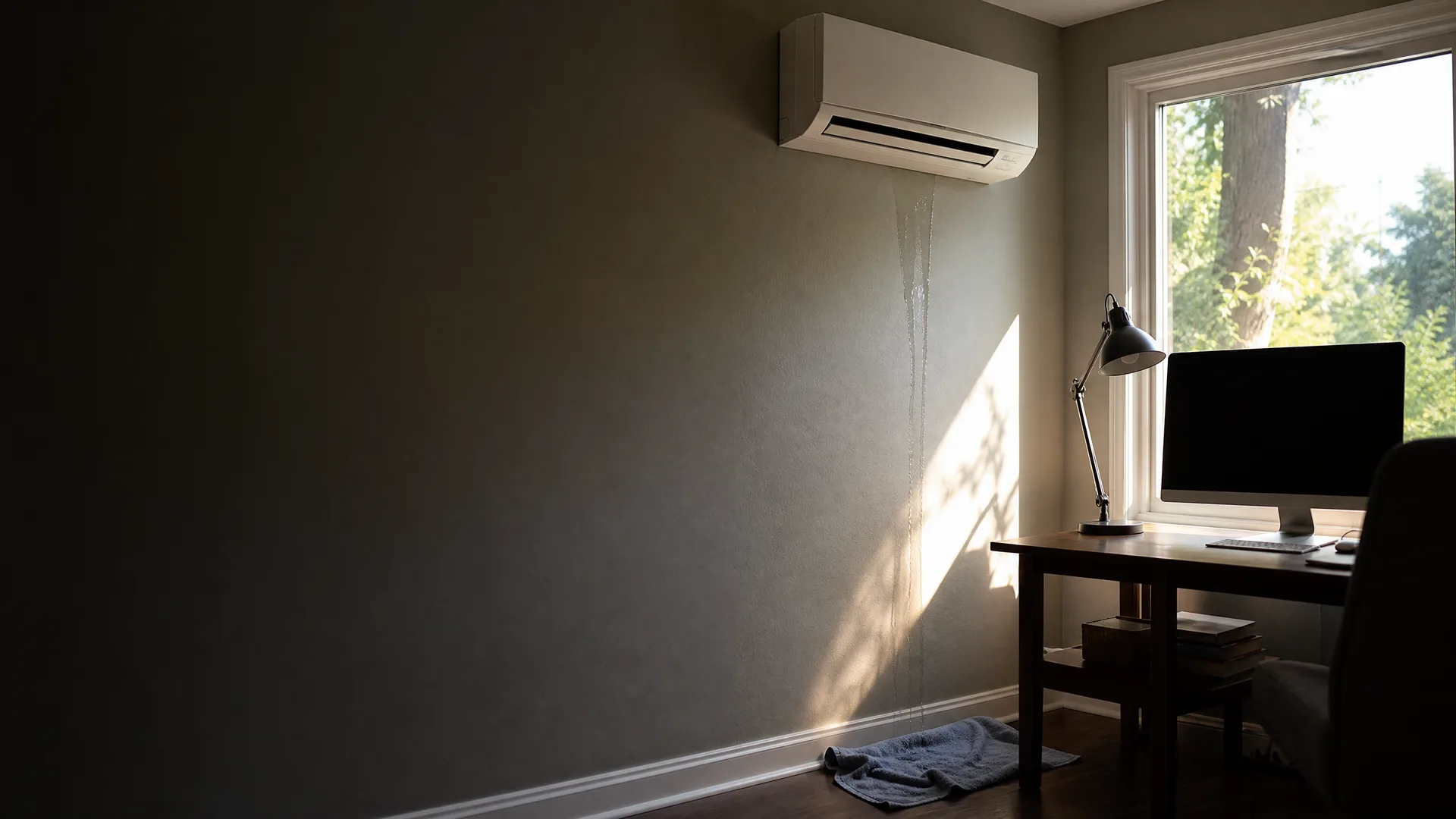
It's late afternoon in July, and you're at the desk in the home office, trying to get through email before dinner. The mini split overhead is running, but the air coming off it is cold instead of warm, and you've already pulled a towel off the shelf twice today. A wet streak runs down the wall under the indoor unit, darker where it meets the baseboard. You wipe it down again, set the towel on the floor under the drip, and glance up at the unit, waiting to see how long before it starts again.

Inside the outdoor unit, the reversing valve sits on the line between the compressor and the coils. A small solenoid shifts it back and forth, and that shift decides whether refrigerant runs the coil as a condenser or an evaporator. When the solenoid loses power or the valve body corrodes, it can stop moving and lock the system into one path. That's why the fix isn't always the valve itself. Sometimes it's the solenoid coil, a loose wire at the connector, or a control board signal that never reaches it.
A tech who works on mini splits all winter knows which of those three usually fails first on units like yours, and can test the valve directly instead of guessing. Getting matched with someone local who does this kind of call regularly means they show up already knowing what to check, in what order, before they ever open the cabinet. One contractor reaches out, not a handful competing for the job, so you're dealing with a single tech who already has your situation in mind.

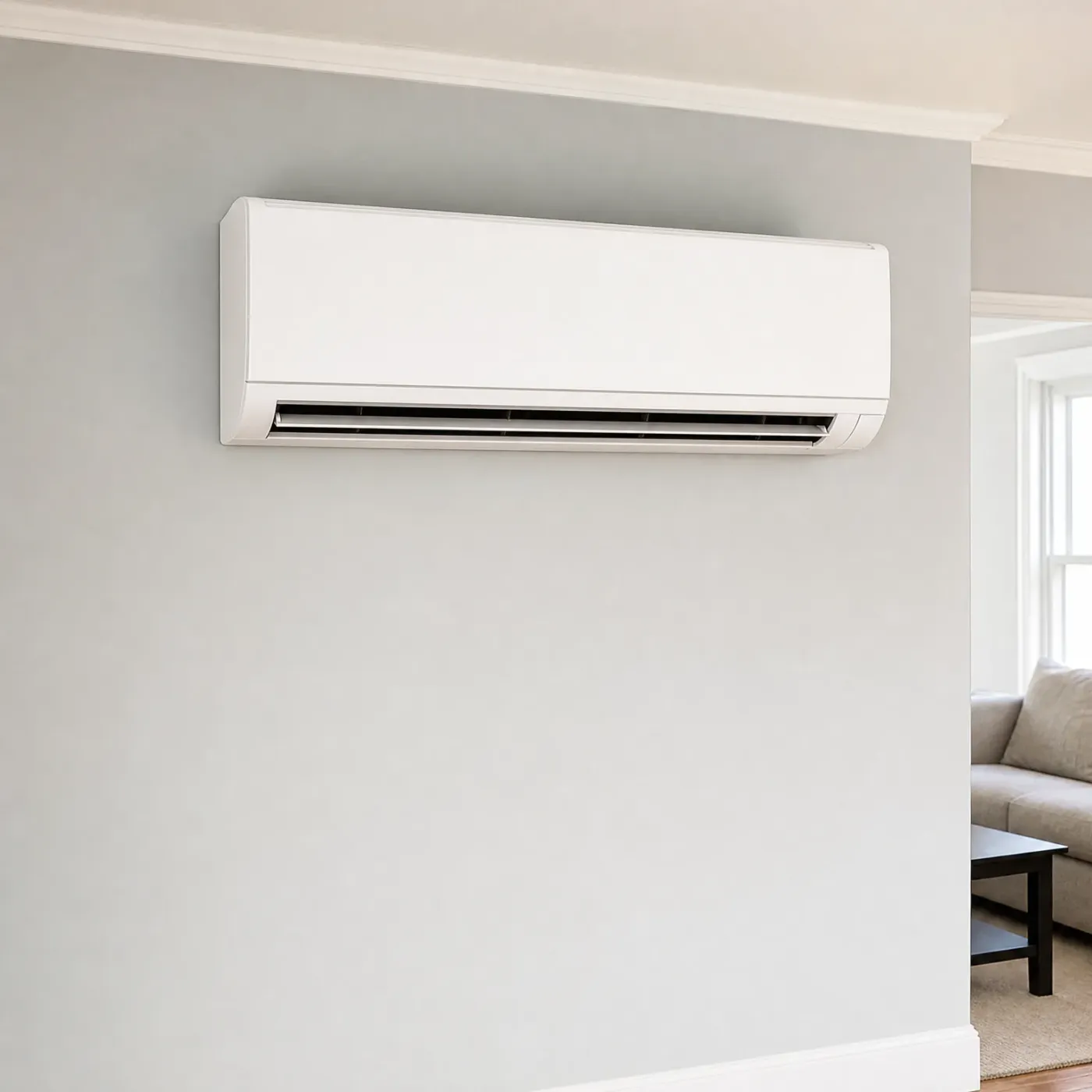
This is what a mini split looks like when it's switching modes the way it should. The casing is clean, the louvers move freely, and nothing is fighting the valve inside when it shifts from cold to heat.
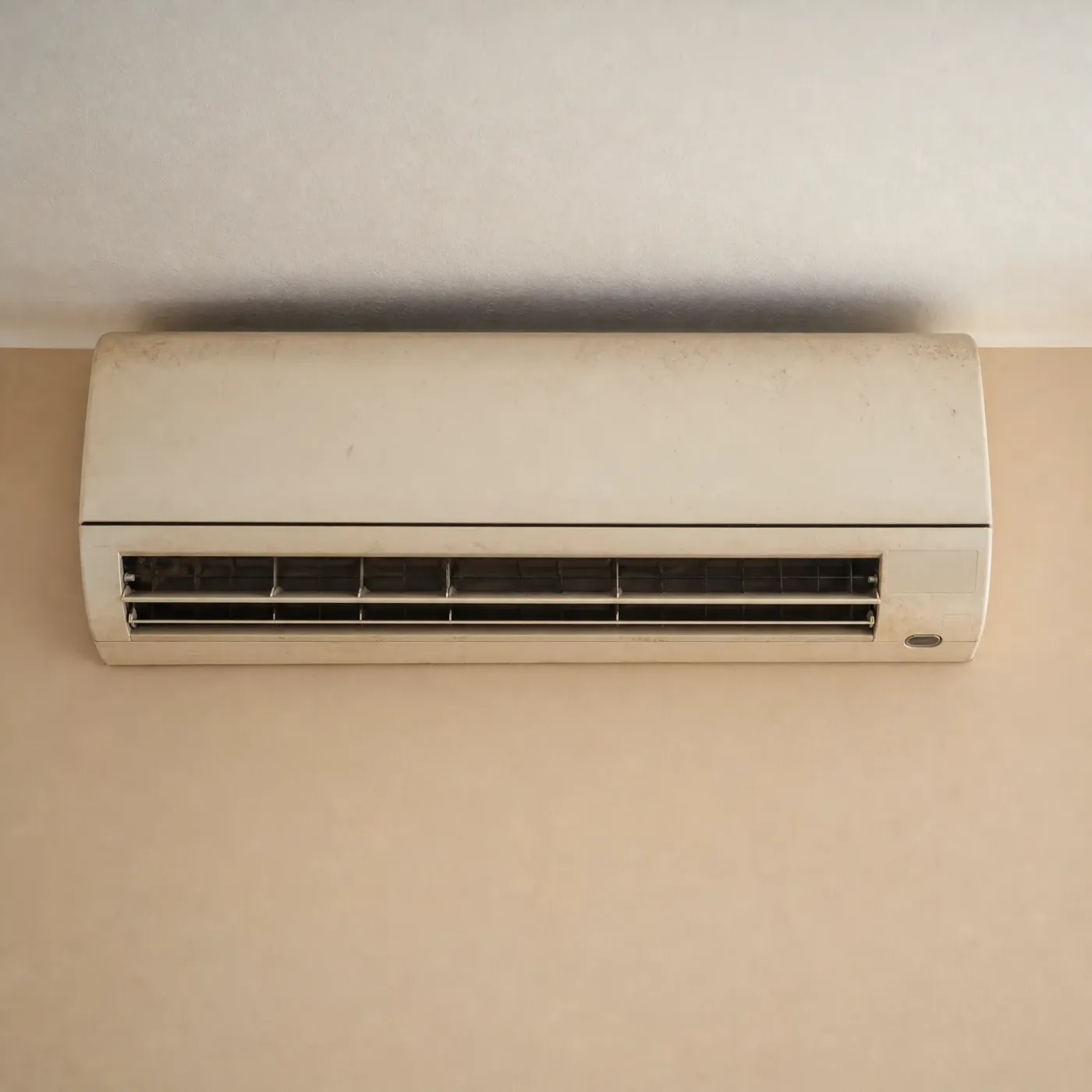
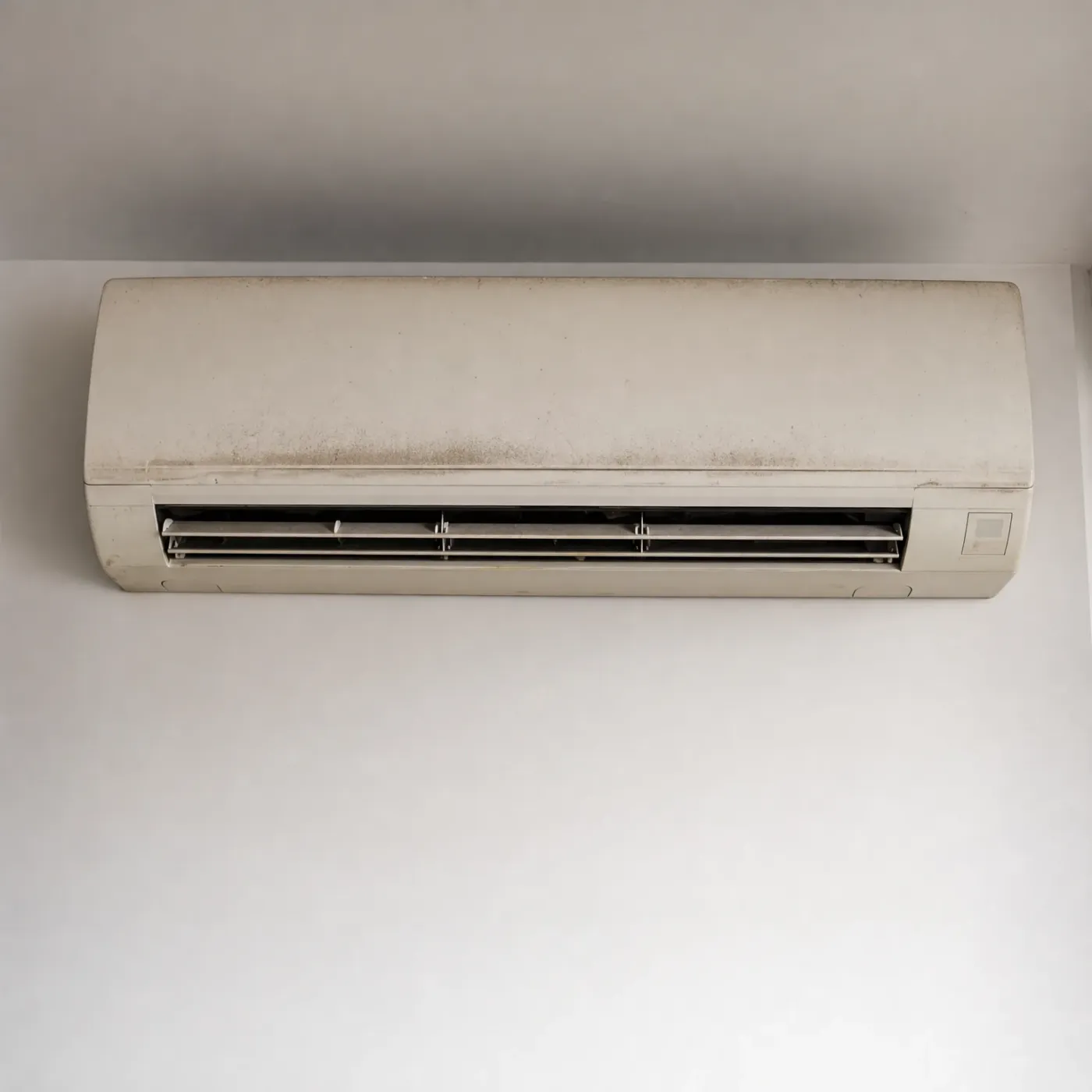
Yellowing and dust like this build up over years, not weeks. A casing this dirty often means the coils and valve behind it have been working harder than they should, which is where a stuck-cold mini split usually starts.
The room with the mini split won't hold heat no matter how long it runs. You'll feel cold air coming off the indoor unit, maybe hear it cycling on and off more than usual, and the thermostat reading might not match how the room actually feels. If you've started closing that door and running a space heater instead, or leaning harder on the gas furnace to cover the gap, that's the household adjusting around a unit that isn't doing its job. Left alone, the compressor keeps working without heating anything, and the room it serves stays the coldest spot in the house all winter.

Summer dew points here average 66°F across June, July and August, per NOAA climate data. That's the kind of sticky air that makes your mini split work to pull moisture as well as heat out of a room. None of that matters right now while the valve is stuck and the unit is putting out cold air instead of warm. But it's worth knowing for later: a mini split that's been grinding through humid summers for years has already put real wear on the same valve and coils that are causing trouble now.
NASA POWER T2MDEW county cells weighted by homes
A mini split blowing cold air when it should be heating almost always comes down to the reversing valve, and that's not something to chase yourself with the remote. Once it's stuck, it stays stuck until someone opens up the outdoor unit and either frees it or replaces it. The contractor who calls you back will be local, someone who works on these systems through Oklahoma summers and winters both, and has seen this exact failure plenty of times. You'll hear from one contractor, not a handful of companies competing for the job, so there's no juggling calls or repeating yourself to three different people. They'll know what to check first and why, because they've pulled apart this same valve on other units in other houses nearby. The room stays cold until it's fixed. Nothing about running the unit less or waiting it out changes that. The valve needs a hand, and that's the part of this that's out of your reach.
Only one pro gets your request, so you hear from one company.
You're not committing to anything by asking.