A white wall-mounted mini-split air conditioner on a dark gray interior wall above a framed picture, with a potted plant and curtained window to the right.

Matched to your mini split job

Why your mini split leaks water in an Oklahoma winter

A mini split dripping water in the middle of winter catches most Oklahoma homeowners off guard, since it looks like a summer problem. It usually comes down to a clogged condensate drain, a dirty filter, or ice forming on the coil when the system runs in colder weather. This page walks through what's behind it and gets you to a local contractor who can look at your unit directly.

Get a local pro

A mini split that drips water in January is almost always working against ice, not heat. When the unit runs in heat mode on a cold Oklahoma night, the outdoor coil can frost over if the system short cycles or the filter is dirty and airflow is weak. When it defrosts, that ice turns to water, and if the condensate drain or the line running outside is blocked or frozen, that water backs up into the indoor unit instead of draining away. A dirty filter makes this worse because it cuts the airflow the coil needs to stay warm enough to shed frost normally. None of this means the unit is failing outright, but it does mean something is stopping water from going where it should. Left alone, that water can stain a ceiling or wall, or freeze solid in the line and block it completely.

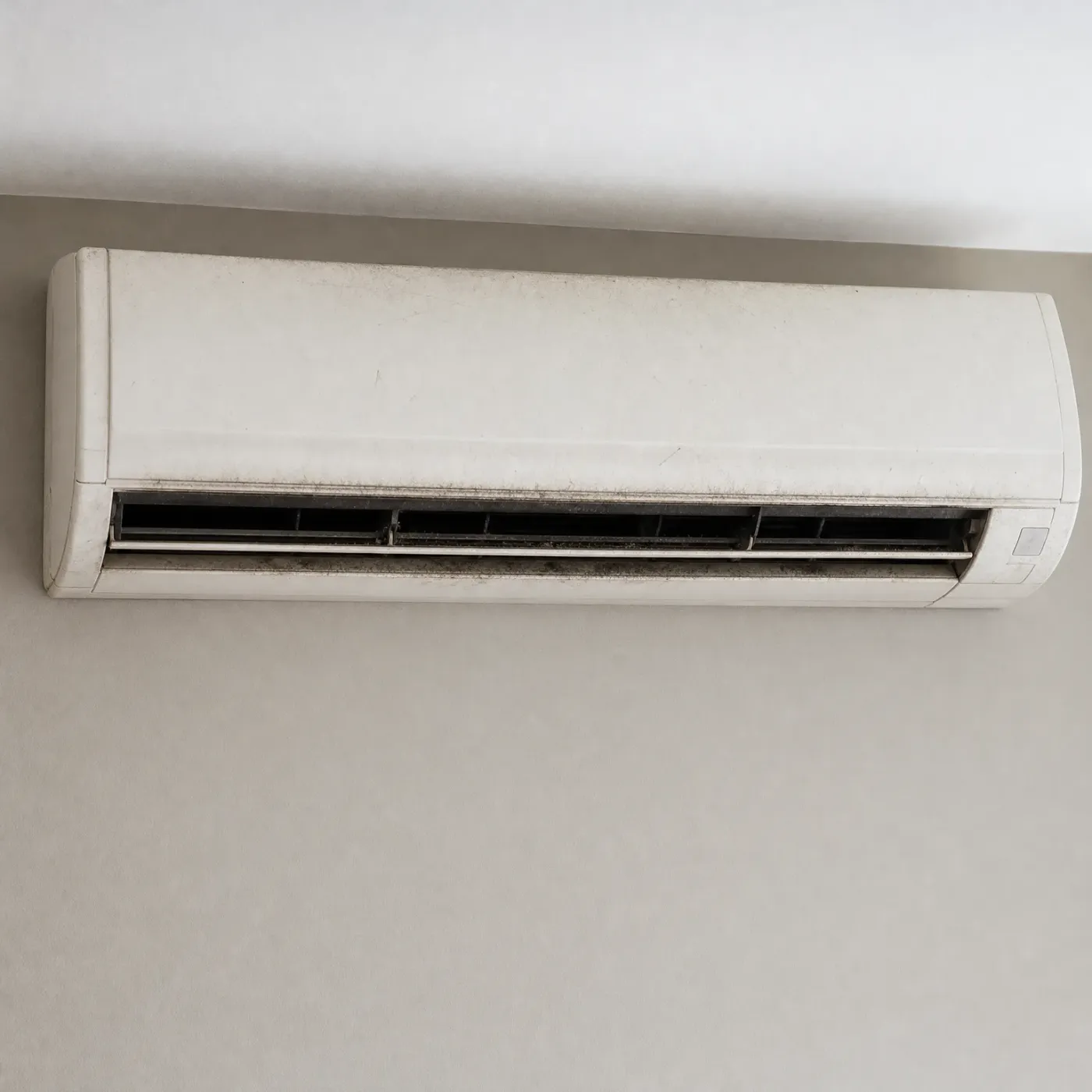
A wall-mounted white mini-split air conditioner indoor unit with visible dust and grime around its outlet vent, installed near the ceiling on a plain light-colored wall.
Before you get your mini split repair
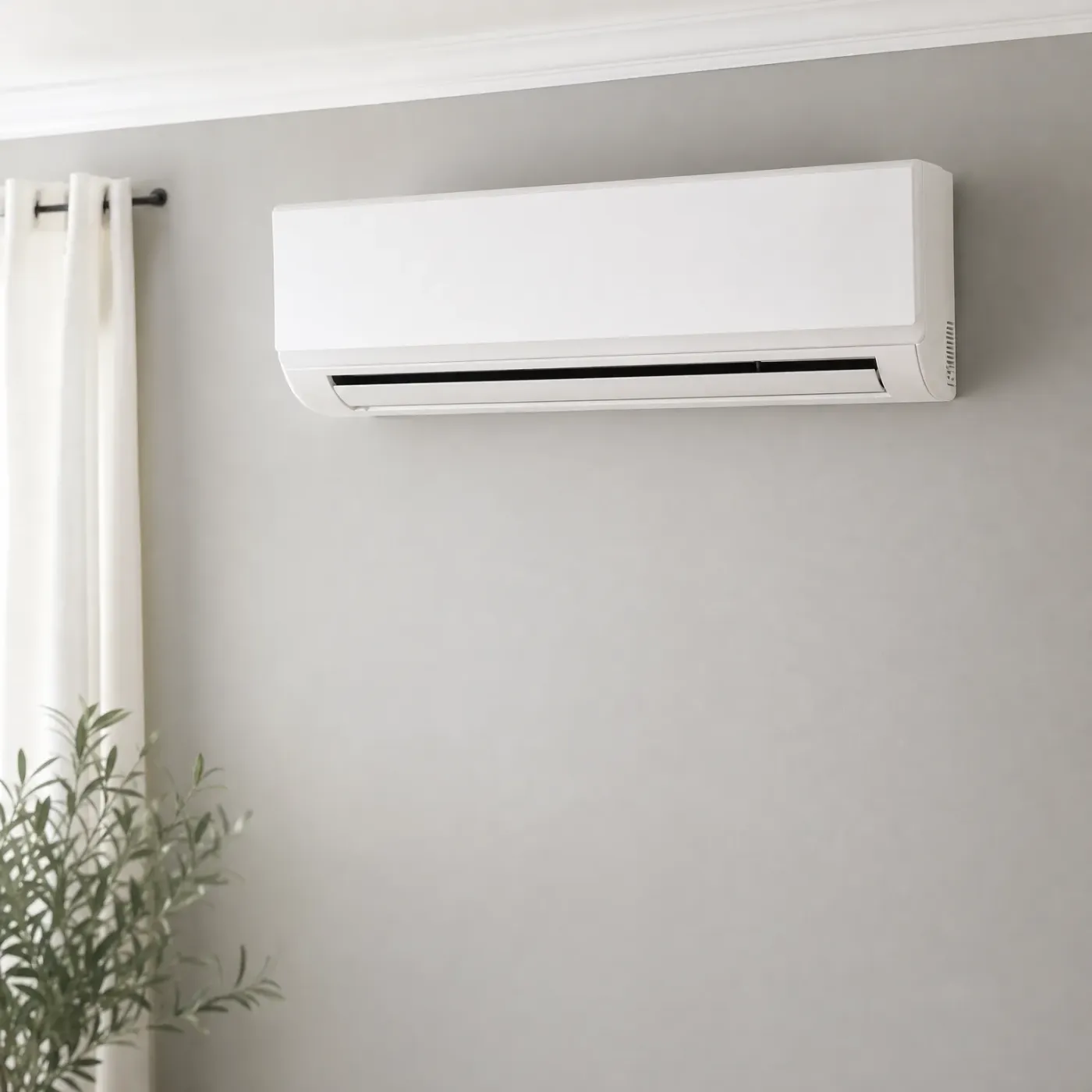
A white wall-mounted mini-split indoor unit on a light gray interior wall, with a white curtain on a black rod at left and a leafy plant in the lower left corner.
After you get your mini split repair

Why the indoor unit drips

The indoor coil pulls moisture out of the air even in heat mode, and that water has to go somewhere. It runs down a small drain line that usually exits through the wall near the outdoor unit. If that line has a kink, a clog of algae, or a low spot where water sits, it backs up into the drain pan and spills over inside your house instead of draining outside. A pan that's cracked or was never pitched right will do the same thing regardless of the season.


Why frost makes it worse

Outdoor coils run colder in winter, and in damp or near-freezing weather they can pick up a layer of frost. Most mini splits run a defrost cycle to melt that off before it builds up and blocks airflow. That meltwater is supposed to drain outside through the base pan, but if the base pan drain is blocked or frozen shut, the water has nowhere to go and finds its way toward the indoor unit instead, showing up as a leak you'd never expect in January.

A woman with dark hair in a bun wearing a cream knit sweater sits on a gray sofa in a bright living room, looking off to the side.
A woman wrapped in a knit blanket sits on a gray sofa in a living room, looking toward a bright window with houseplants and an armchair in the background.
A woman in a gray cowl-neck sweater sits on a light sofa with cushions, smiling and looking to the side, with a kitchen and window visible behind her.
A woman with dark hair in a bun, wearing a light linen shirt, sits on a sofa and looks to the side, with a window, houseplants and a kitchen with pendant lights blurred behind her.

One leak, left alone

Water finds the drywall, the floor, or the cabinet below the indoor unit. Left alone over a cold snap, that damage spreads further than the drip you first noticed.

Find a licensed mini split pro

A local fix

A licensed Oklahoma contractor who services mini splits all winter knows whether it's the drain line, the filter, or ice on the coil, and clears it before it spreads.

Find a licensed mini split pro

Why does my mini split leak water only when it's really cold out?

Why does my mini split leak water only when it's really cold out?

Frost on the outdoor coil melts and runs off once the unit defrosts

A mini split in heat mode runs a defrost cycle on its own. When the outdoor coil gets cold enough on a hard freeze night, frost builds up on it, and the system briefly reverses to melt that frost off before going back to heating. That melted frost has to drain somewhere, usually through the base pan and out the bottom of the outdoor unit. If that drain path is blocked by ice buildup around the unit, or the base pan drain is clogged with debris, the water backs up or runs somewhere it shouldn't. This is why the leak only shows up on the coldest nights and not on a mild winter day in the 50s.

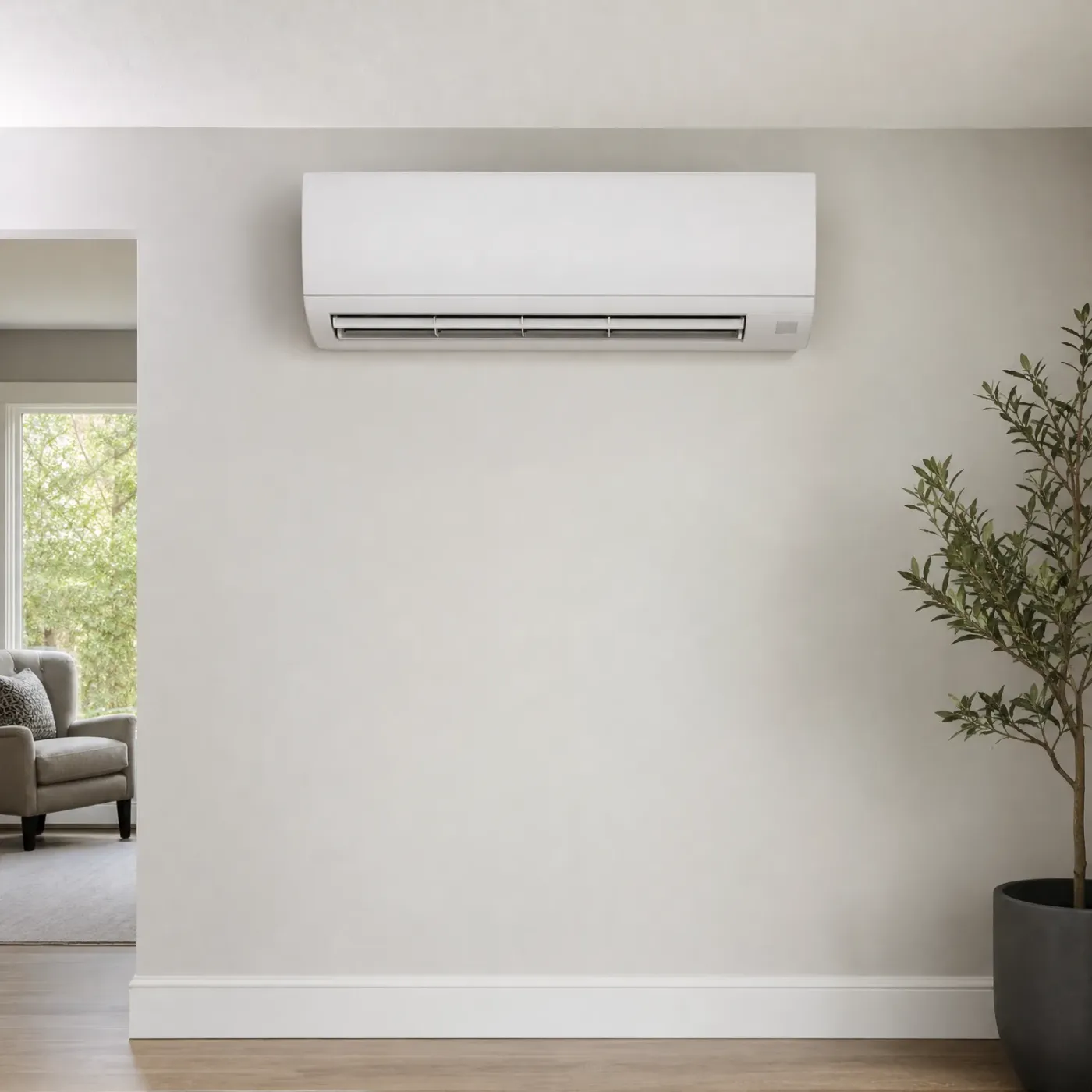
A white wall-mounted mini-split indoor unit high on a beige interior wall, with a potted olive-like tree at right and an armchair and window visible through a doorway at left.
A clean filter and a clear drain line let this unit move air and shed condensate the way it's built to.
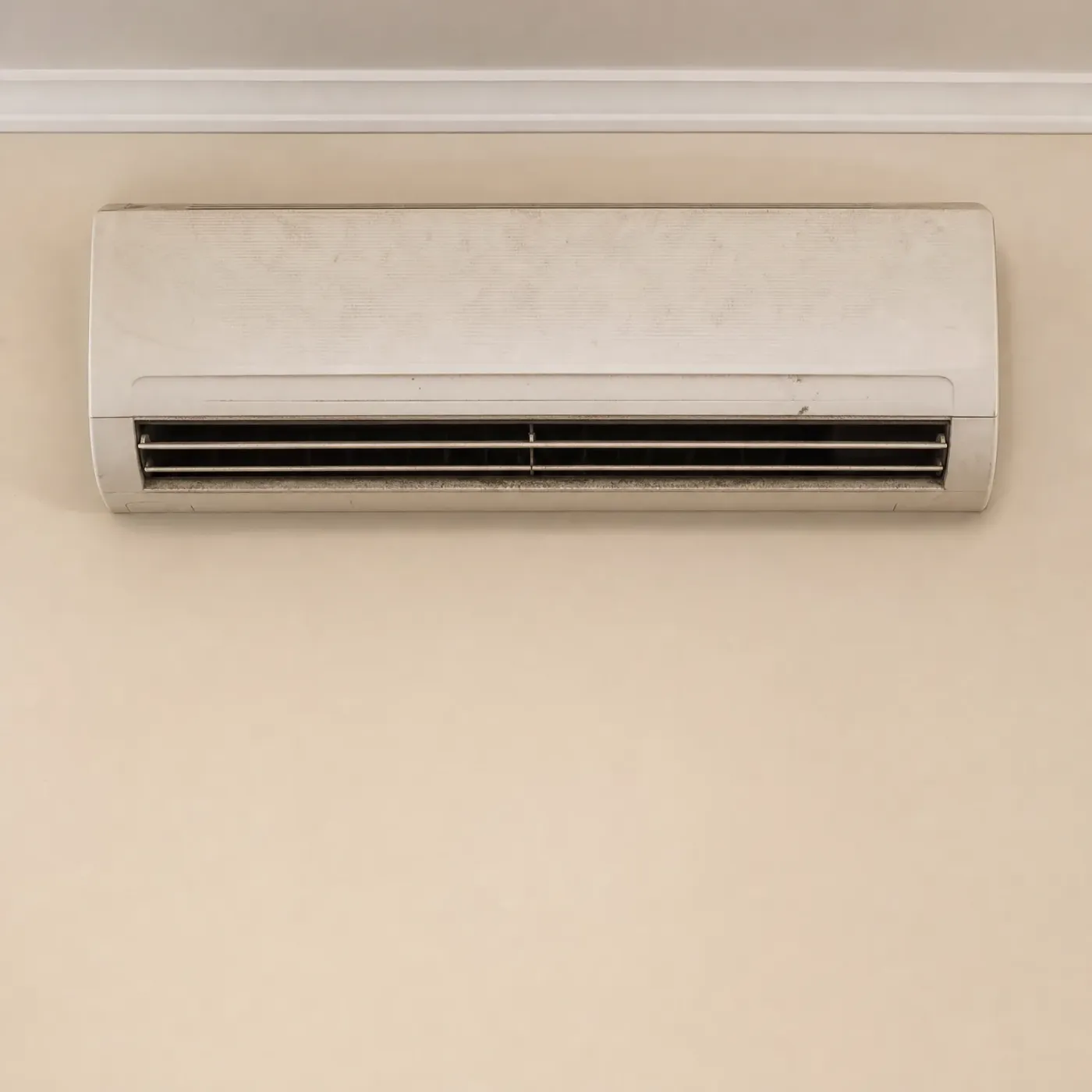
A wall-mounted mini-split air conditioner indoor unit with visible dust and staining, installed on a beige interior wall below white crown molding.
Grime like this blocks airflow across the coil, and a mini split working that hard in the cold is the one that backs up and drips.
An older woman with gray hair in a bun and glasses, wearing a beige knit sweater, smiles while looking to the side in a warmly lit kitchen, with a loaf of bread on the counter in the foreground and a snowy scene outside the window.
A woman and a child wrapped together in a knitted gray blanket on a couch, with the child's head resting on her shoulder and a lit table lamp and houseplant in the background.

A local pro for your mini split repair

A mini split that keeps dripping through a cold snap usually has more than one thing going wrong at once, a drain line that's partly blocked and a filter that's choked down airflow, and finding both takes someone who works on these systems through an Oklahoma winter, not just a summer. Most houses here heat with gas, so a mini split is often the system that gets looked at least, which is how a slow clog or a dirty filter goes unnoticed until it's dripping on the floor. Power being cheap here doesn't change what ice on that outdoor coil does to the unit. Getting matched with one licensed local contractor means the person who shows up already knows what tends to fail on these systems in January, instead of guessing at it. That water on your floor or in your wall is the easy part to see. What's backing it up inside the unit is the part worth having someone look at before the next cold night.

Let it drip through the cold

A little water under the indoor unit seems minor next to a furnace problem, so it gets ignored. But the drip keeps pace with the cold snap. Every night the outdoor coil frosts and melts, more water tries to clear that drain line, and if the line is already slow, more of it backs up inside the unit. The filter stays dirty, the coil stays iced longer each cycle, and the mini split keeps running harder to do the same job. By the time the cold snap ends, you're looking at stained drywall or a warped floor instead of a filter you could have rinsed out in January.

Have it looked at now

A contractor who works on mini splits through an Oklahoma winter knows this pattern because they see it every cold snap. They'll check the drain line for the clog or kink causing the backup, pull and clean the filter, and look at whether the coil is icing more than it should for a system running in heat mode. Most of this is a straightforward fix once someone is in front of the unit. Catching it now means the drip stops, the unit stops working overtime to heat the same rooms, and you're not patching drywall or flooring once the weather breaks.

Power costs 13.21 cents per kilowatt-hour statewide

At 13.21 cents a kilowatt-hour, running your mini split's heat strip or backup resistance coil to fight a frosted outdoor unit costs more than the system running clean. A tech who clears the drain and filter gets the unit back to heating on the compressor alone, not fighting ice.

EIA-861 2025 statewide residential average

  1. Outdoor temperature drops and frost starts forming on the outdoor coil.

  2. The mini split senses reduced airflow and starts a defrost cycle.

  3. The system briefly reverses, pumping hot refrigerant outside to melt the frost.

  4. Melted frost and indoor condensate both drain toward the same line.

A woman stands in the open doorway of a white stucco house holding the dark door, facing a man in a black cap and shirt seen from behind in the blurred foreground, with a potted flowering plant beside the entry.

A dripping mini split in winter has a reason, and a fix

A frosted coil, a slow drain, a dirty filter. One of those is behind the water on your floor, and none of them clears up on its own while the cold holds on. The unit will keep defrosting, keep melting ice, and keep testing that drain line every night the temperature drops.

A contractor who works on mini splits through an Oklahoma winter has seen this exact drip before, in houses right around yours. Getting matched with one means a single licensed tech who knows these systems gets in touch, looks at your unit, and finds what's actually blocking the drain or starving the airflow, instead of you guessing at it through another cold snap.

A living room corner with a beige sofa and cushion, a round wooden coffee table holding a pale ceramic vase of eucalyptus stems and a wooden bowl, and a curtained window with a potted plant above a latticed radiator cover in the background.
A dimly lit room with a dark gray wall holding a white wall-mounted mini-split air conditioner near the ceiling, with a sofa, table lamp, potted plant, and curtained window at left.

Get the right pro for your mini split

The pro who reaches out is licensed in Oklahoma.

Step 1 of 3: Equipment