
Running clean
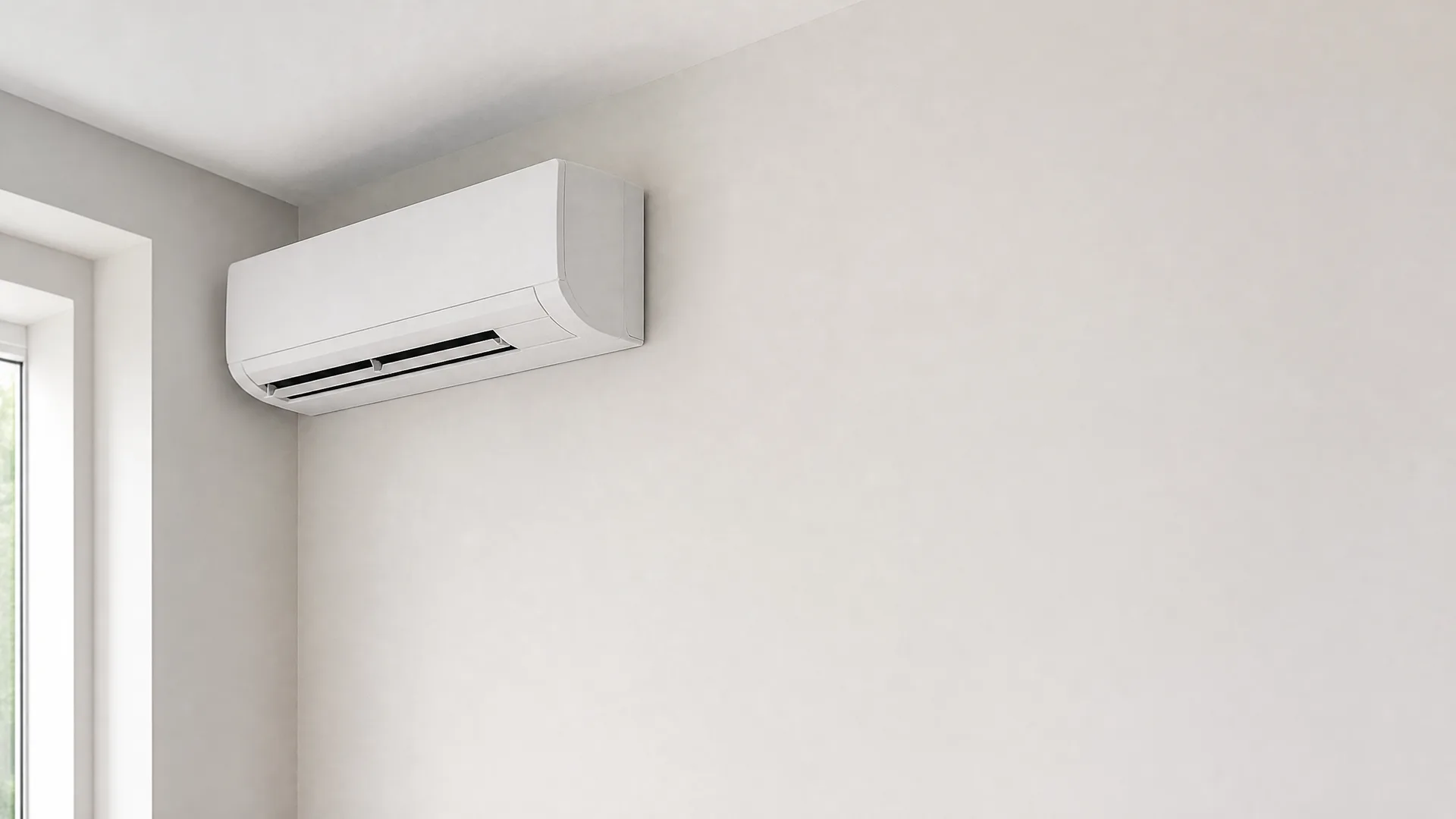
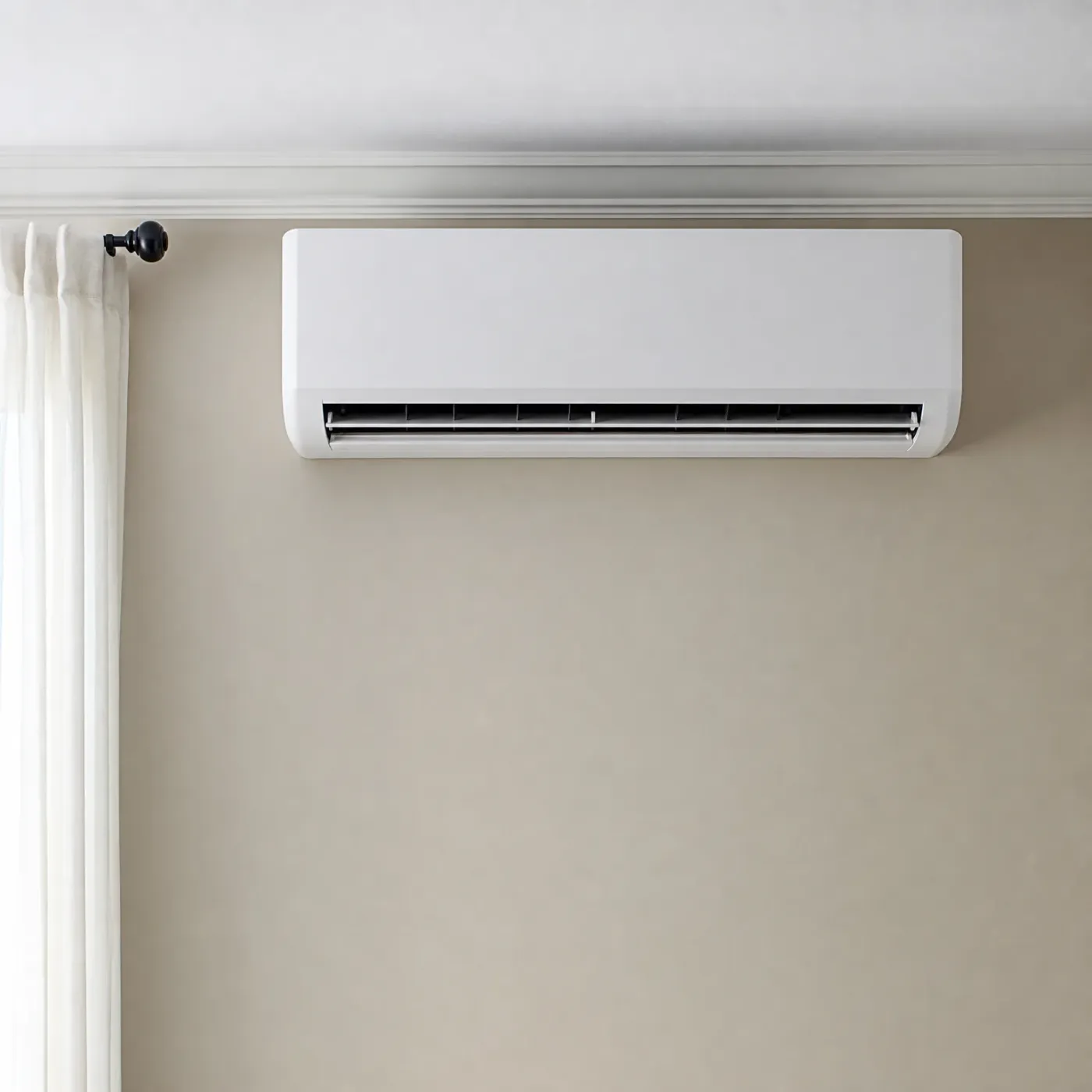
A mini split that sounds normal usually looks like this. The coil and vents stay clear, air moves through without resistance, and the sounds you hear are just the defrost cycle doing its job on a cold night.
A mini split that bangs, clicks or hums louder in winter is usually running a defrost cycle. Oklahoma winters swing cold enough that the outdoor unit builds frost on its coil, and the system has to reverse itself every so often to melt that off before it can keep heating. The clicking is the reversing valve switching direction. The whooshing or louder fan noise right after is the unit blowing warm refrigerant through a cold coil. A rattling or buzzing sound is a different matter, usually a loose fan blade, a failing motor, or a part that's worked itself loose over time. Defrost noise comes and goes and stops on its own in a few minutes. A rattle doesn't go away, and it tends to get worse the longer it runs. If you can tell which one you're hearing, you already know whether it needs a look.
The outdoor unit reverses its refrigerant flow to push heat into the coil instead of the room. That's the hum or whoosh changing pitch. A valve shifts to make that happen, and that shift is the clunk or click you hear. The fan outside may slow or stop while this runs. None of this is the system struggling. It's the normal way a mini split clears frost before it keeps heating.

The colder it gets outside, the more moisture in the air turns to frost on that outdoor coil, and the more often the unit has to cycle through defrost to clear it. A mild Oklahoma week might not trigger it much at all. A hard freeze can have it running defrost several times in an afternoon, which is why the noise seems to show up only when temperatures really drop.
Oklahoma nights can drop hard once the sun's down, and that's exactly when a mini split works its hardest to keep up. If yours seems to clunk, hiss or hum more after dark, it's not your imagination. The coldest hours of the night put more frost on the outdoor coil, which means more defrost cycles, which means more of those noises right when the house is quiet enough to notice them.
The outdoor unit frosts up faster the colder it gets outside, and nighttime in Oklahoma is when temperatures usually bottom out. More frost means the system calls for defrost more often, and each one brings that valve shift and change in sound. It's not that the unit is working wrong at night. It's working harder because the air it's pulling heat from is colder. A sudden rise in volume, or a noise that doesn't stop once the cycle should be done, is a different matter. That usually points to a reversing valve or sensor that needs a trained eye to check, not just cold weather doing its thing.
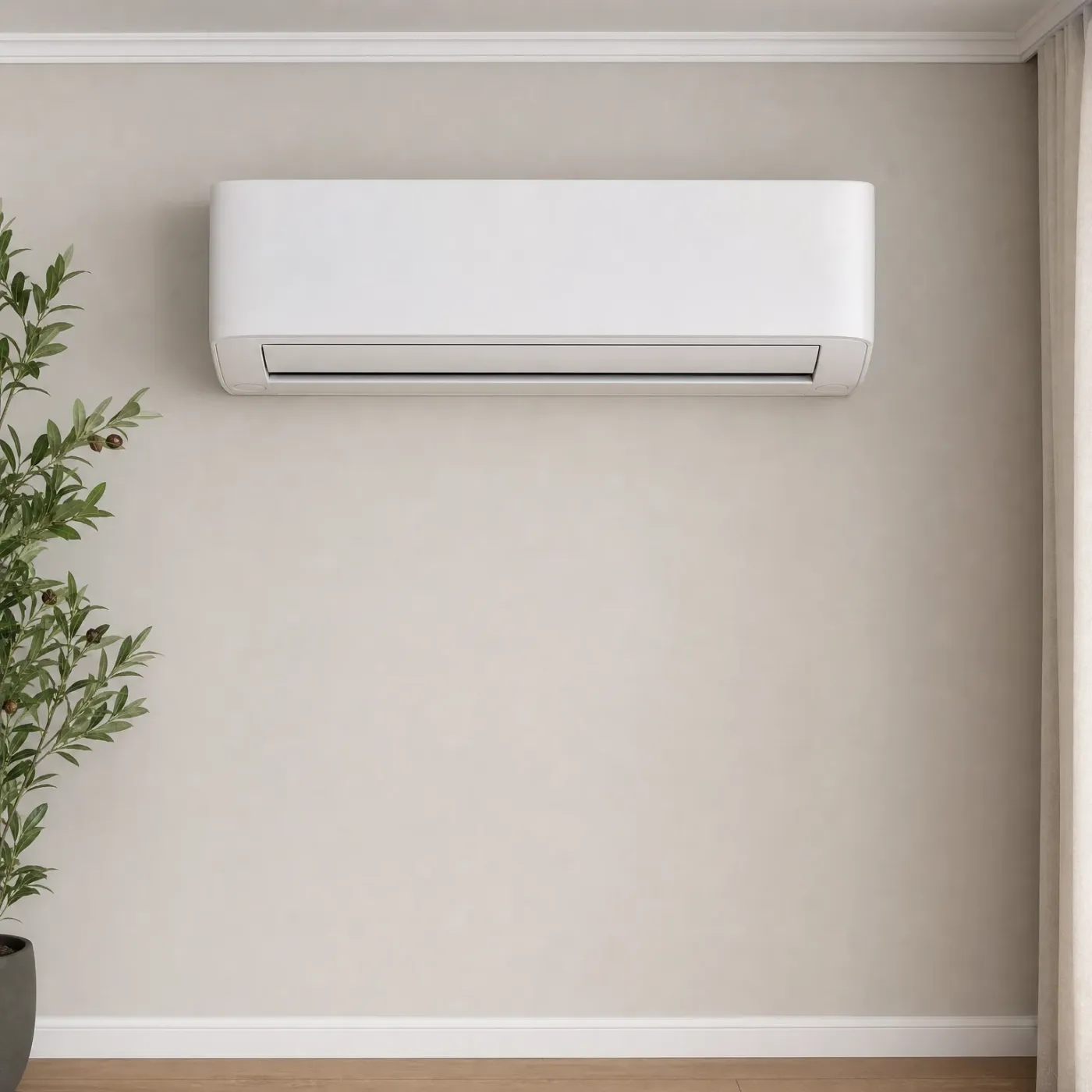
A mini split that sounds normal usually looks like this. The coil and vents stay clear, air moves through without resistance, and the sounds you hear are just the defrost cycle doing its job on a cold night.
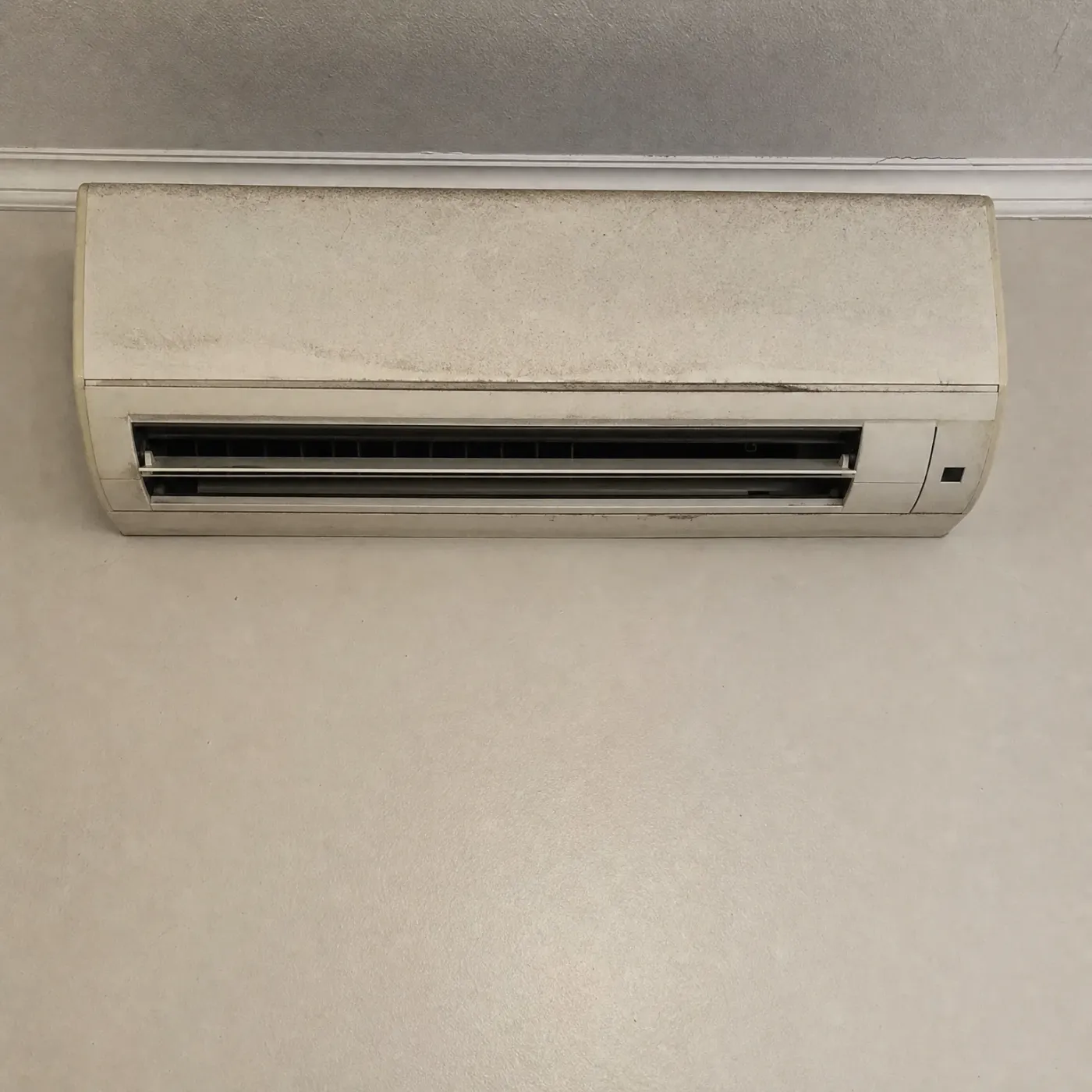
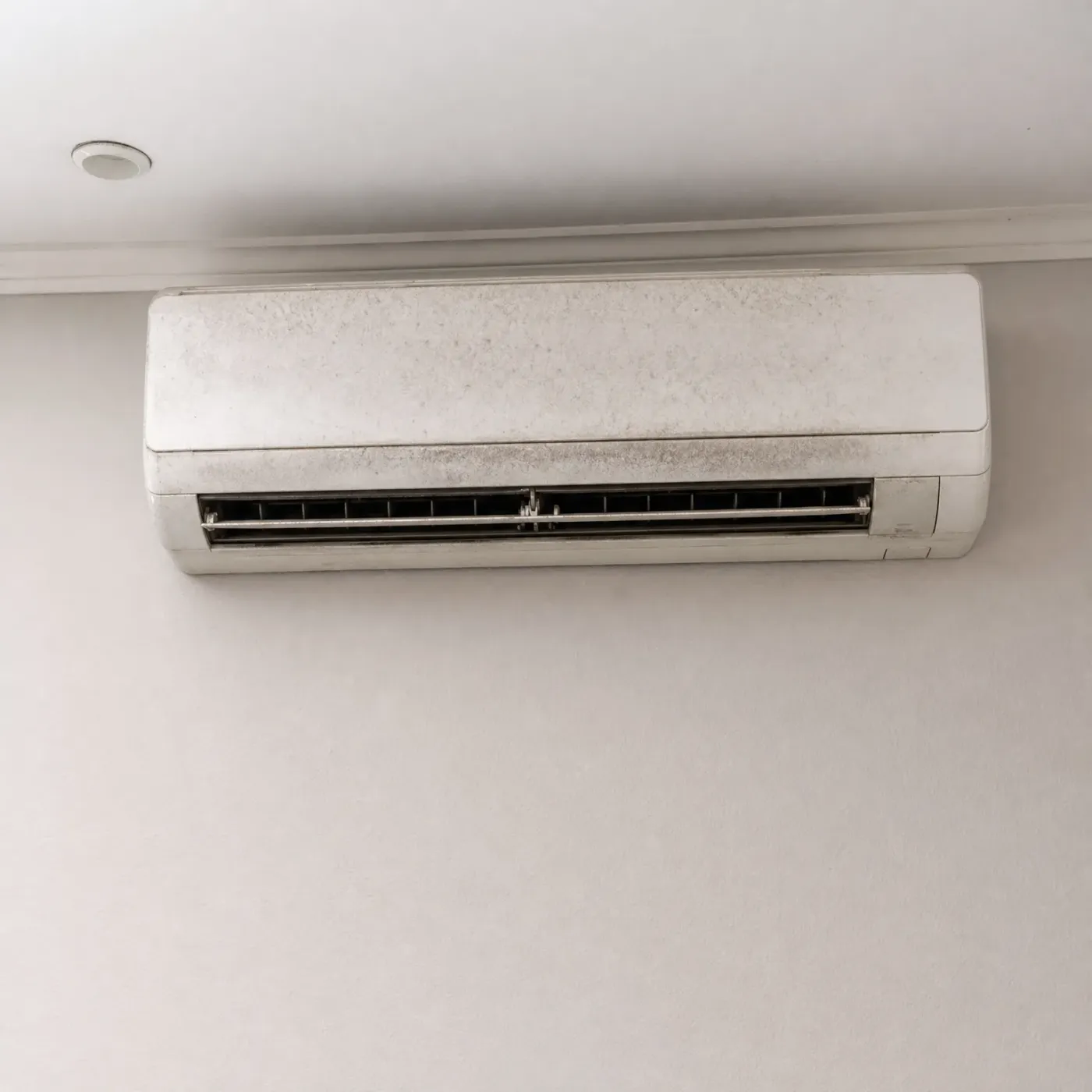
Dust and grime built up across the casing and vents make the system strain. A blower pushing against a dirty coil runs louder and longer, and what sounded like an occasional clunk can turn into a constant rattle or hum.

It's July, late afternoon, and you're in the office trying to finish something before dinner. The mini split on the wall has been running all day against the heat outside. You glance up and see a dark streak running down the drywall under the indoor unit, and when you look closer there's a towel already going damp on the floor below it. You don't remember putting that towel there this time. The unit's still blowing cold air, still sounds fine, but the wall under it doesn't look fine at all.
A mini split that's gone past a normal defrost cycle, rattling, grinding, or buzzing without letup, isn't going to sort itself out by spring. Most houses in Oklahoma run on gas heat, so this unit is probably one you lean on for a handful of rooms, or maybe it's your only heat in that part of the house. Either way, a bad bearing or a cracked fan blade doesn't get quieter with time, and running it while something's grinding inside can turn a fan motor repair into a fan motor replacement. Someone local who services these systems all season knows the difference between a defrost cycle and a compressor on its way out, and knows it by sound before the panel's even off. Send the request and it goes to one contractor near you, not a handful fighting for your callback. That's one less thing you're tracking down yourself on a cold night.





That same mini split is doing different work come summer. Oklahoma air sits at a dew point of 66°F across June, July and August, the number that tells you how heavy it feels outside rather than just how hot. At that level the unit isn't only cooling the room, it's pulling a steady load of moisture out of the air to keep the space from feeling damp. That's harder, more constant work than the cold-weather defrost cycle, and it's worth knowing the two sounds aren't related. A unit that ran quiet all summer and starts banging once it turns cold isn't carrying over a problem from the humid months. It's a different cycle doing something different.
NASA POWER T2MDEW county cells weighted by homes
You might notice the sound more at night, or catch it from the next room as a clunk that repeats too often, a hiss that doesn't settle, or a grinding that wasn't there last winter. Some houses pick up a rattle through the wall the unit is mounted on. Others notice the indoor fan running but barely moving air, or ice building up on the outdoor unit that doesn't clear on its own. None of that is what a defrost cycle sounds like. If the room it heats is staying cold while the unit keeps working, you're paying for a cycle that isn't finishing its job, and whatever room depends on this unit for heat is the one that goes without until it's looked at.
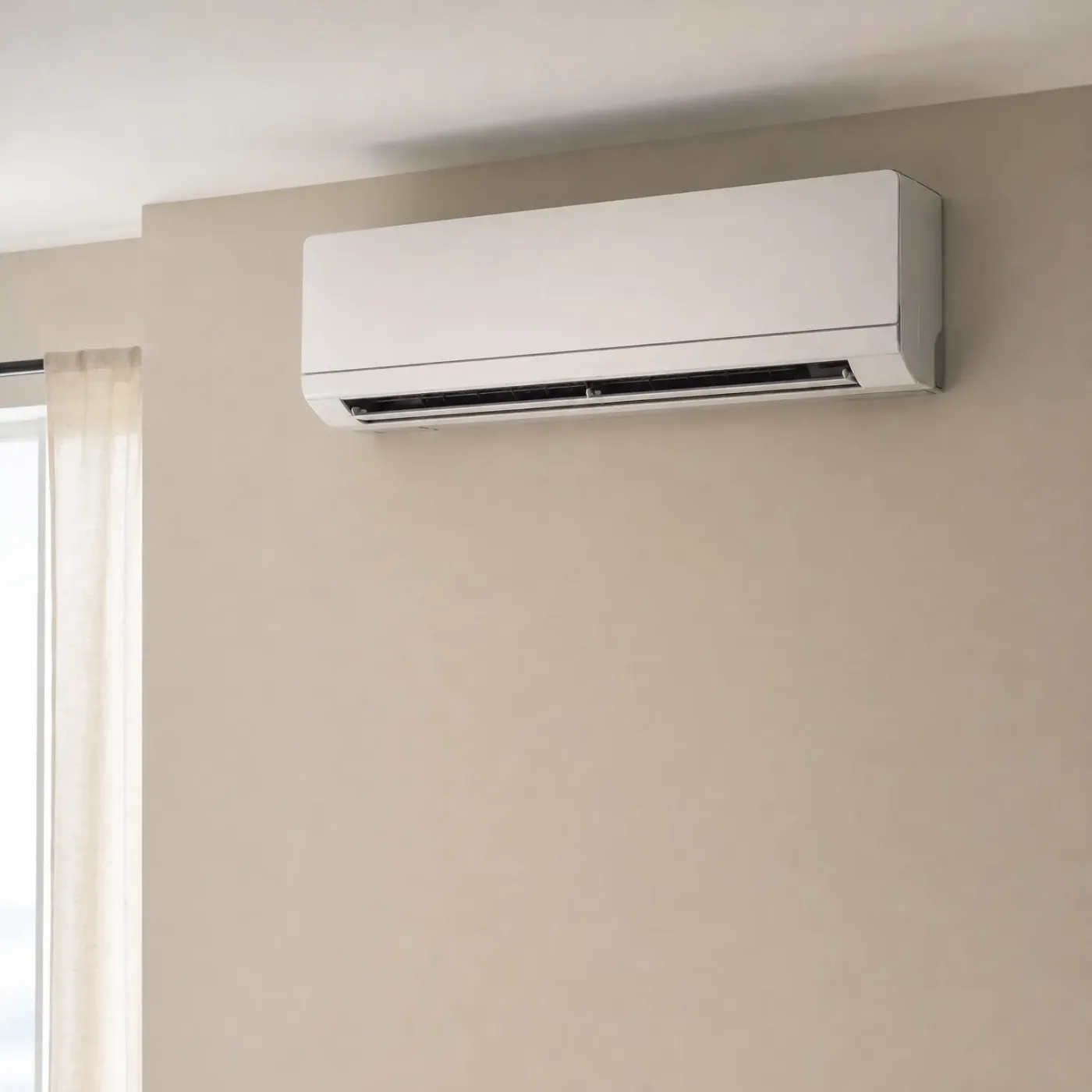
This is a mini split doing normal winter work. The coil stays clean, the vent swings open without catching, and the case shows no buildup. The clunk or hum you hear is just the defrost cycle finishing its job.
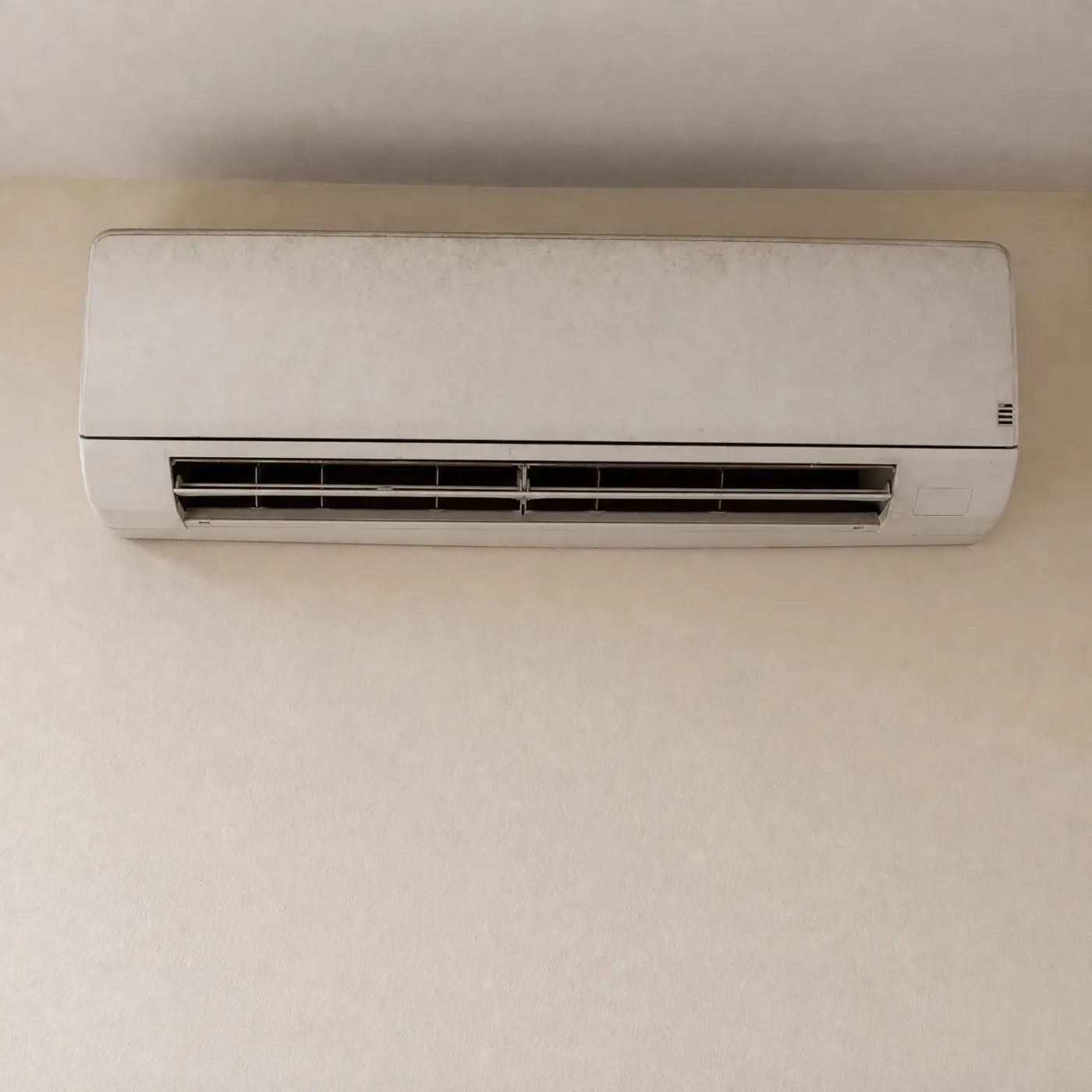
Dust across the vent and a discolored case mean the coil underneath is probably coated too. A dirty coil holds frost longer in defrost and makes the unit work harder to push heat through it, which is where the longer bangs and grinding come from.
At 13.21 cents a kilowatt-hour, running your mini split through a defrost cycle a few times a night costs you little. Power here is cheap enough that letting the system clear its own coil isn't the expense to watch. A repair bill from ignoring a real problem is.
EIA-861 2025 statewide residential average
Most of what you're hearing out of that outdoor unit this winter is the system doing exactly what it's built to do. Oklahoma nights get cold enough that frost builds on the coil, and the mini split has to stop, reverse itself, and melt that off before it can keep heating. That's the hum that changes pitch, the clunk when the valve shifts, the whoosh that settles back down after a few minutes. None of that means anything is wrong. What's worth paying attention to is noise that doesn't fit that pattern. Grinding that wasn't there before. Buzzing that doesn't stop. A clunk that repeats far more often than a normal defrost cycle would call for. Those point to something else, usually a coil caked with dust or ice making the unit work harder than it should, or a part that's started to wear. The defrost cycle itself barely touches your power bill, since electricity here is cheap enough that a few cycles a night cost you almost nothing. A part left to wear down is a different kind of cost, one that shows up later as a repair bill instead of a few extra minutes of noise. If you're not sure which one you're hearing, that's a fair thing to not know on your own. A contractor who works on this equipment all winter has heard both enough times to tell them apart fast, usually without needing to guess.


A mini split that clunks once during a cold snap is fine. One that grinds, buzzes, or won't settle down has a real problem, and a local contractor who works on these units all winter will know the difference fast. Send the request and the search is off your plate. It goes to one licensed contractor near you, not a handful calling at once, so you're not sorting through strangers to find someone who actually knows this equipment.
Only one pro gets your request, so you hear from one company.
No charge to send it. You decide if you hire them.