 Send it today
Why your mini split won't turn on in an Oklahoma winter
Send the request today and stop worrying about who to call.
Your mini split picks a cold morning to quit. The remote does nothing, or the unit beeps and shuts back off, or the outdoor fan won't spin while it's 20 degrees outside. In most Oklahoma homes the mini split is backup or a single room's comfort, with gas heat running the rest of the house, so it's easy to put off. Then the room it covers gets cold and stays cold.
Most of what stops a mini split in winter here comes down to a few things: a frozen or blocked outdoor coil, a bad defrost sensor, a control board that won't send power to the compressor, or a breaker that trips every time it tries to start. None of these clear up on their own, and running the system over and over while it fails usually just adds a second problem to the first.
Power is cheap in Oklahoma, which is part of why people lean on these units for a room or two instead of extending ductwork. That only works if the unit actually turns on. Once it won't, you're back on whatever the gas furnace can reach, and if that's a converted garage or a sunroom, you already know it wasn't built to be heated that way.
This is a repair call, not a guessing game. A local contractor who works on mini splits all winter knows which of these failures is likely given your symptoms and your brand, and goes in already knowing what to check first. Send the request and that search becomes someone else's job. One contractor gets matched to you, licensed and local, so you're not fielding calls from three companies while you're standing in a cold room trying to get the remote to respond.
The button below starts that.
Why won't my mini split turn on when it's cold outside?
A cold snap comes through and the mini split just sits there. You press the remote and nothing happens, or it starts and beeps itself back off a minute later. It's tempting to assume the unit is broken, but a lot of the time this is the system protecting itself from something specific that cold weather brings on, not a sign the whole thing is dead.
It's likely stuck in a cold-weather lockout or frozen up, not dead
Most mini splits have a low-ambient cutoff that keeps the outdoor unit from running once the temperature drops below a set point, usually somewhere in the teens to low 20s. That's the compressor protecting itself, not a failure. The other common cause is ice building up on the outdoor coil overnight, which blocks airflow and trips the system into a defrost cycle or shuts it down outright. If your mini split is your only heat in a room and it won't come back on during an Oklahoma cold snap, that room is going to stay cold until the lockout clears or the ice melts on its own, or until someone who works on this equipment gets it running again.
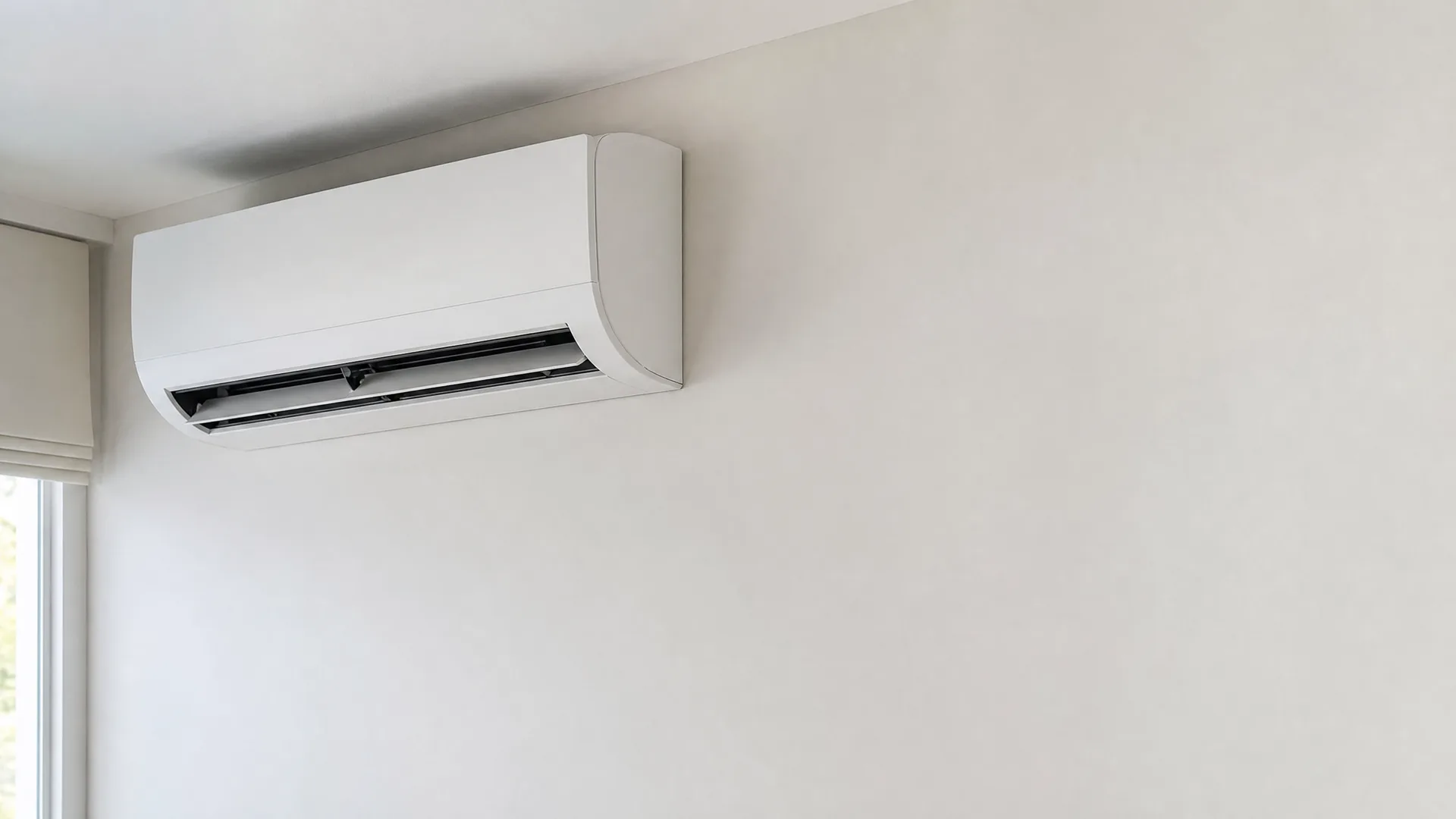
The defrost cycle is normal
When outdoor temperatures drop near freezing, the outdoor unit's coil can frost over. The system runs a defrost cycle to clear it, which means the outdoor fan stops and the indoor unit may blow cool air or nothing at all for a few minutes. That can look like a failure when it's actually the system doing what it's built to do. If this lasts longer than ten or fifteen minutes, or happens every few minutes, something is keeping it from finishing the cycle.
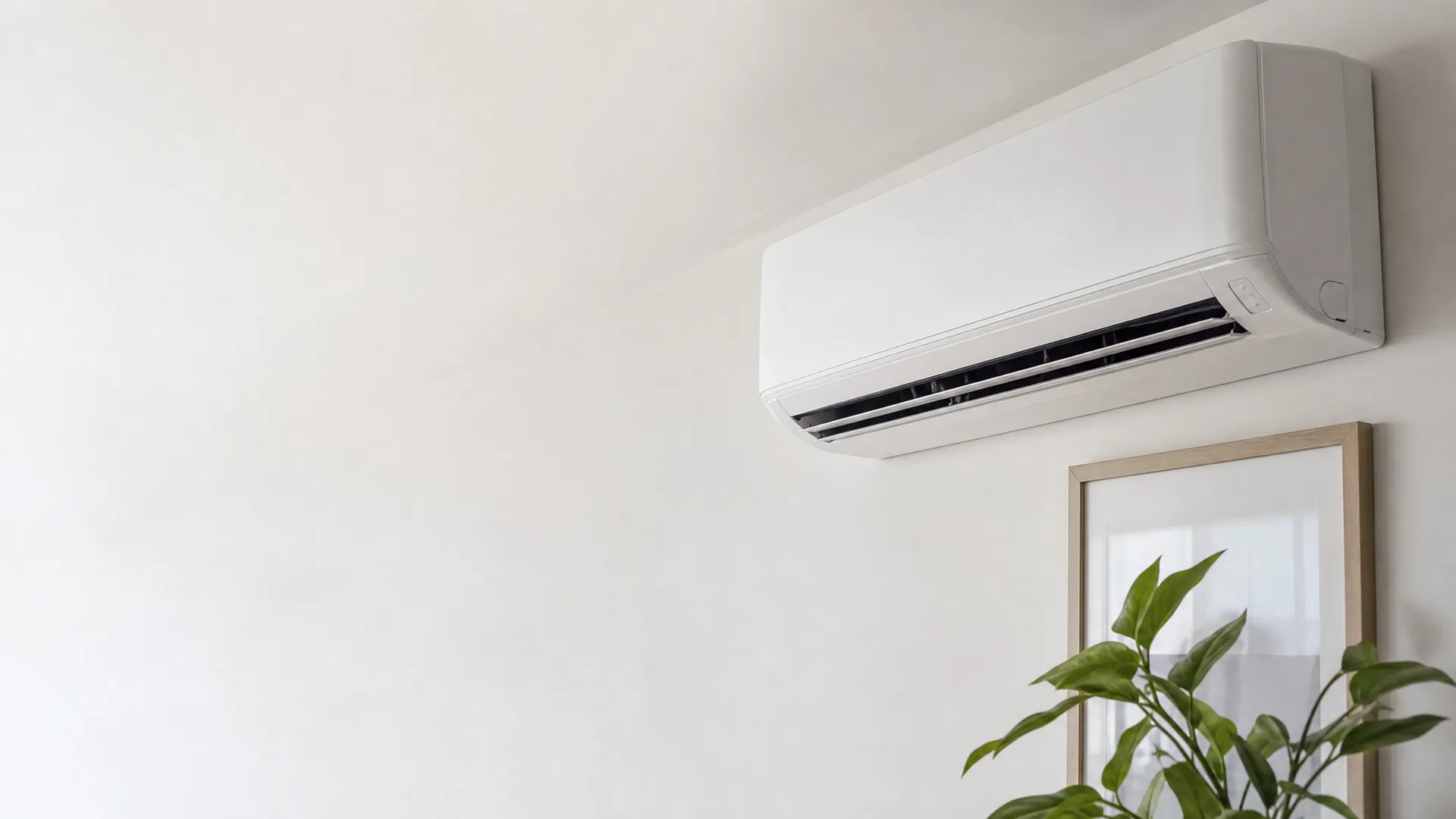
Breakers trip for a reason
A mini split that won't power on at all sometimes has a tripped breaker behind it, not a problem in the unit itself. Oklahoma's cheap power means the system may be sized bigger than homes in other states, and a bigger compressor pulls more on startup, especially on the coldest mornings when it's working hardest. If the breaker trips once, that can happen. If it trips every cold snap, the compressor or the wiring is asking for more than the circuit can give it, and that is worth having a contractor local to Oklahoma look at before it happens again.
What's actually going on with your unit right now
Go stand by the outdoor unit. If it's silent and the fan isn't moving, feel the line set and the coil. Ice on the coil means it's mid defrost and should come back shortly. No ice and no sound at all is different, that's a unit that isn't getting power or isn't responding to the signal. Inside, check if the display lights up when you press the remote. A blinking light or a beep code means the board is seeing a fault. If this is the room you count on for heat overnight or during the day, every hour it sits dead is an hour that room runs on whatever gas heat reaches it, or doesn't.
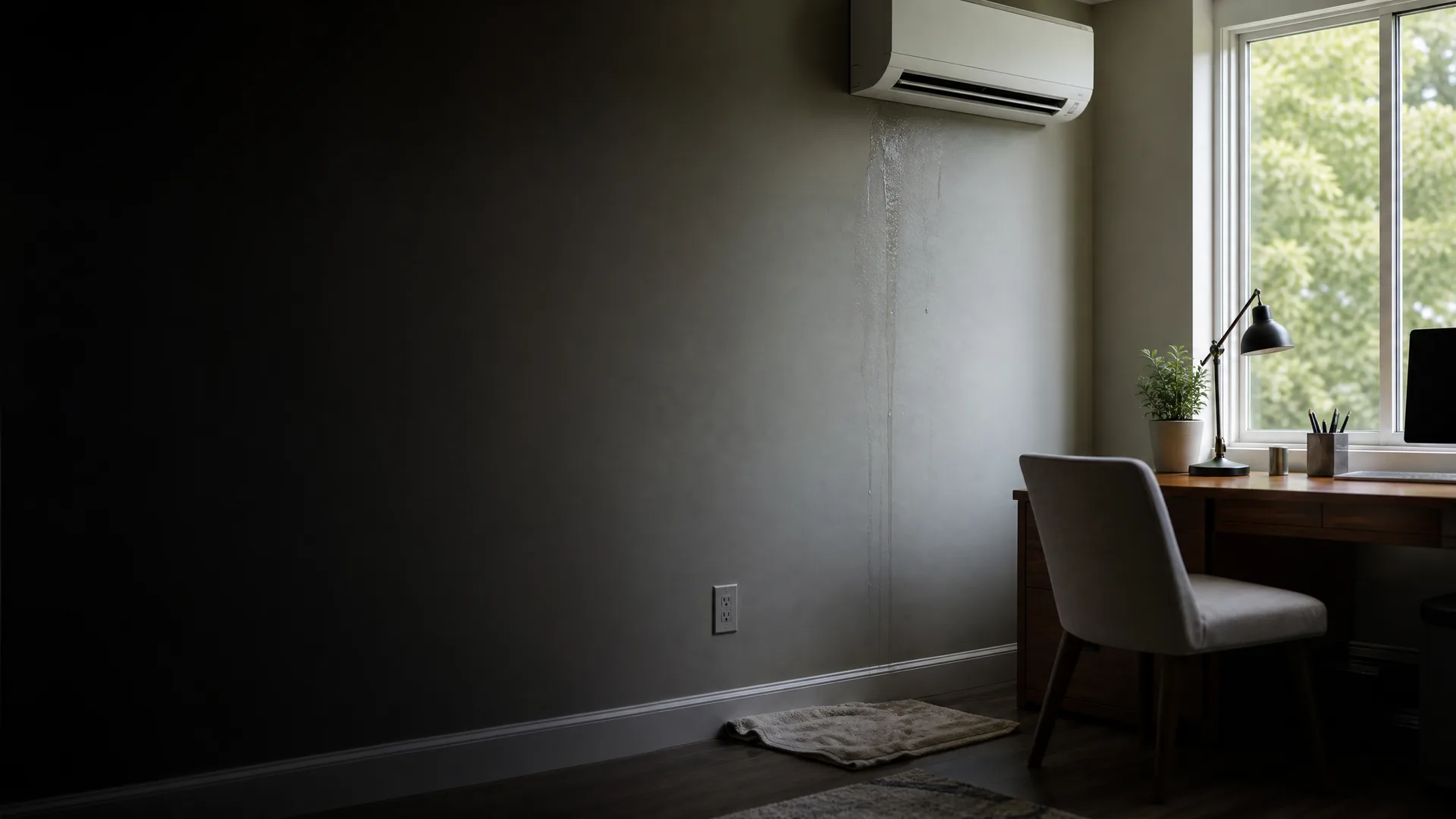
It's July, late afternoon, and you're in the office trying to get work done before dinner. The mini split clicks off instead of cycling back on. You don't notice right away, you're on a call. By the time you look up there's a dark streak down the wall below the indoor unit, running toward the outlet. You grab a towel off the hall closet shelf and press it under the unit, then stand there watching the drip slow down. The room's already warm. Outside it's still over ninety. You unplug the power strip under the desk, just in case, and go looking for the number of someone who can come look at it.
Hand off the search today

Your request stays with one local pro.
You only hire the pro if you want to.
Waiting it out versus getting it looked at
A mini split that won't fire on a cold morning sometimes clears on its own once the defrost cycle finishes or the breaker's been reset. If that's all it was, you've lost twenty minutes, not a repair bill. The risk in waiting past that first check is that a unit which trips the breaker again, or keeps beeping through its startup sequence, is telling you the same fault is still there. Each cold start it fails puts more strain on the compressor and the board. Oklahoma mornings don't stay at one temperature for long, so a unit that struggles at 25 degrees can fail outright once it drops further.
Checking it yourself versus calling someone who knows this equipment
You can rule out the obvious yourself: breaker tripped, remote batteries dead, outdoor unit iced over and mid defrost. That's worth five minutes before anything else. Past that point, a fault code on the indoor unit's display or a compressor that hums but won't start isn't something to keep testing by trial and error in the cold. A local contractor who services mini splits through an Oklahoma winter has likely seen that same code on that same brand before and knows what it usually means. Sending the request connects you with one licensed contractor near you, not a handful of companies competing for the call.




How a mini split makes heat
- A mini split heats by moving heat from outside air into your room, not by burning fuel like a furnace.
- Below about 40 degrees the outdoor coil picks up less heat, so the compressor leans harder and the system defrosts more often.
- During defrost the reversing valve flips, sending hot gas to the outdoor coil to melt frost while the outdoor fan stops.
- A control board that senses ice buildup or a failing sensor can hold the unit in defrost or lockout instead of restarting heat.
- If the outdoor unit sits low to the ground, ice or snow around the base can block airflow the coil needs to work.
- Three failed starts in a row usually trips a safety lockout, which is the board protecting the compressor, not the compressor failing.
A furnace burns gas to make heat. A mini split doesn't make heat at all. It pulls heat out of the outside air, even cold air, and moves it inside through the refrigerant line running between the outdoor unit and the indoor head. That's why outdoor temperature changes how hard the system has to work. At 50 degrees there's plenty of heat in the air to grab. Down near freezing there's a lot less, so the compressor runs longer and draws more to deliver the same warmth to your room.
Cold air also means the outdoor coil picks up moisture and frost faster. The system has to stop and run a defrost cycle to clear that frost before it can keep pulling heat. During defrost, the reversing valve switches direction and sends hot gas out to the coil instead of into your house, which is why the outdoor fan goes quiet and the indoor unit might blow cool air or nothing for a few minutes.
The board running all of this is watching for ice and reading a sensor to know when defrost should start and stop. If that sensor is reading wrong, or the board itself is glitching, it can hold the system in defrost, or shut it down and refuse to restart heat. Snow or ice packed around the base of the outdoor unit can block the airflow the coil needs, which throws off the same sensor. And if the system tries to start three times and fails, the board locks it out on purpose, to protect the compressor rather than let it keep straining.
Power costs 13.21 cents per kilowatt-hour statewide
At 13.21 cents a kilowatt-hour, running the mini split while a contractor sorts out the real problem won't run up your bill much. There's no reason to limp along on a unit that's cycling wrong just to save power, especially with gas carrying most of the load anyway.
EIA-861 2025 statewide residential average

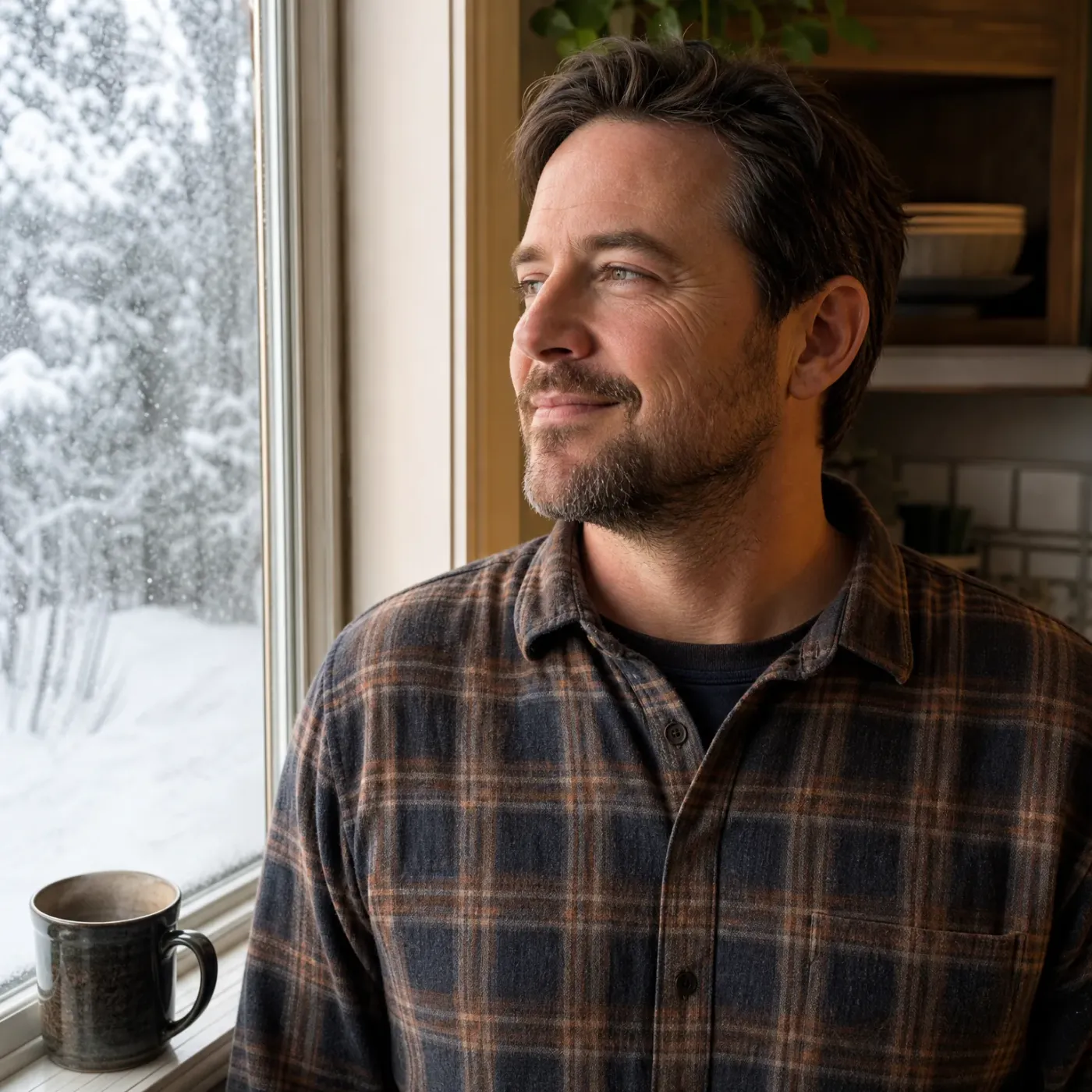
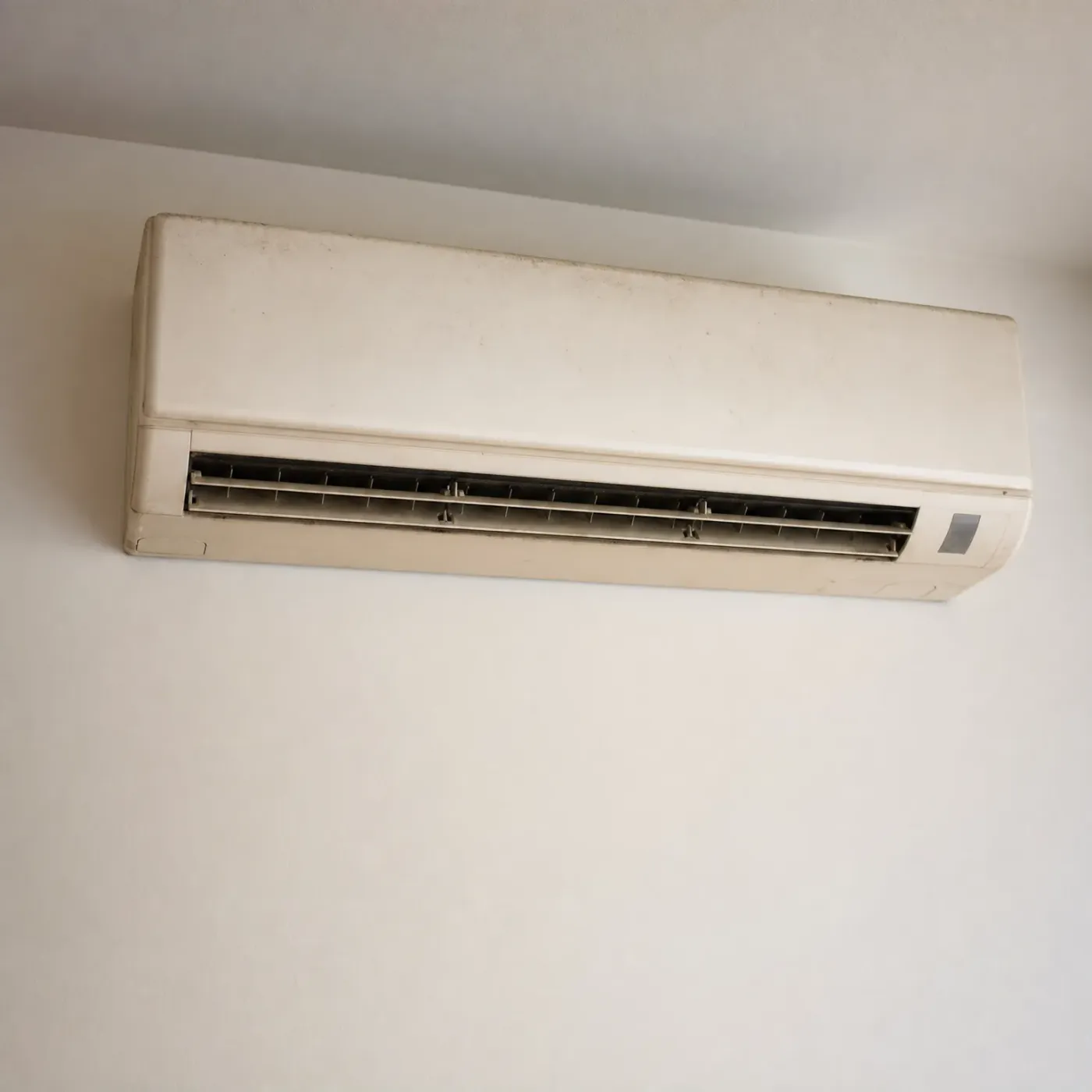
Summer dew points here average 66°F, the Oklahoma Mesonet's summer figure for where homes sit across the state. That's the same mini split working the other side of the year, pulling moisture out of thick air in July before it ever runs backward to make heat in January. All that summer moisture passing through the indoor coil leaves a residue behind, and a coil that's been caked since August doesn't move heat as well come winter. If your unit is sluggish to warm a room or short cycling on a cold morning, the strain it's showing may have started building months ago, not that morning.
NASA POWER T2MDEW county cells weighted by homes
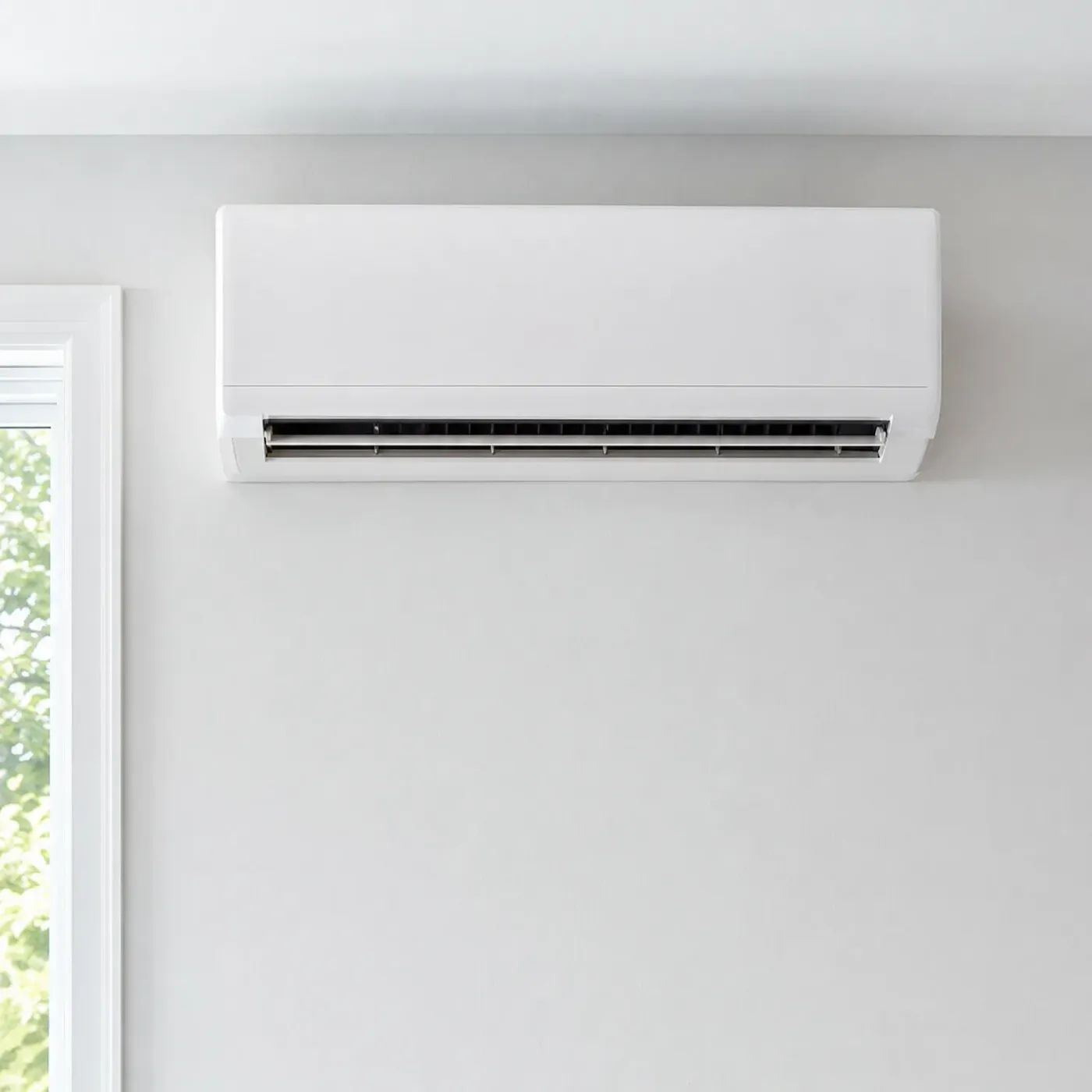
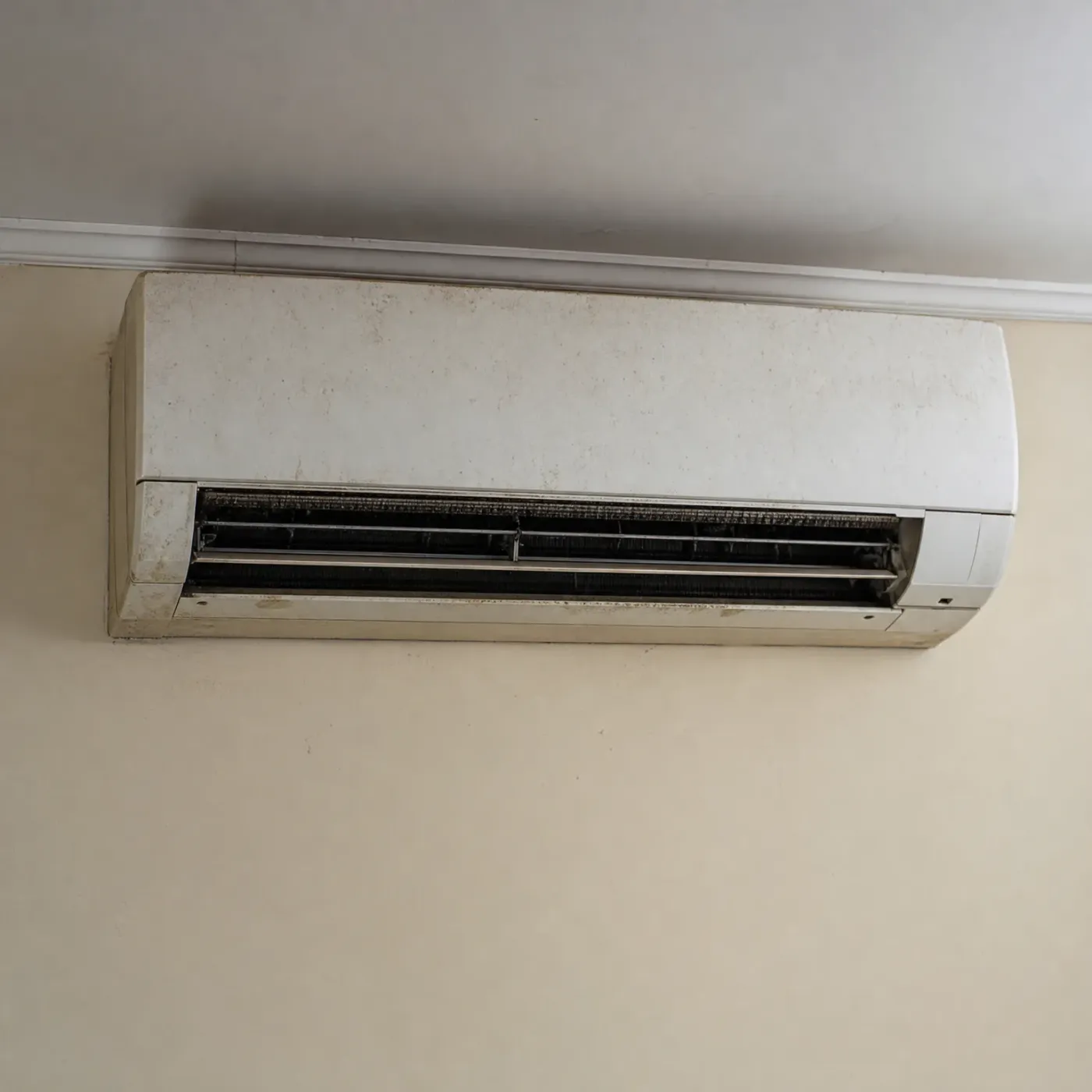

Outdoor temperature drops and the coil loses heat to the air
Frost builds across the outdoor coil as it keeps pulling heat
A sensor detects the frost and triggers the defrost cycle
The reversing valve switches, sending hot gas to melt the ice
A mini split that won't fire on a cold morning usually comes down to one of a few things: a defrost cycle running long, a tripped breaker, a frozen coil that isn't clearing, or a part inside the outdoor unit that's failed. You can check the easy ones yourself. The rest calls for someone who knows this equipment, not a furnace tech working outside their lane. Mini splits aren't common in Oklahoma the way gas furnaces are, and that's exactly why it matters who shows up. A contractor who services them every season, through defrost cycles in January and humid afternoons in July, knows what tends to fail first and what doesn't. You'll be matched with one licensed contractor local to you, not a handful of companies competing for the job, so your phone isn't ringing off the hook the rest of the day. One call, one visit, and you'll know whether it's something small or something that needs a part. Either way, you'll have an answer instead of a cold room and a guess.
Hand off the mini split problem